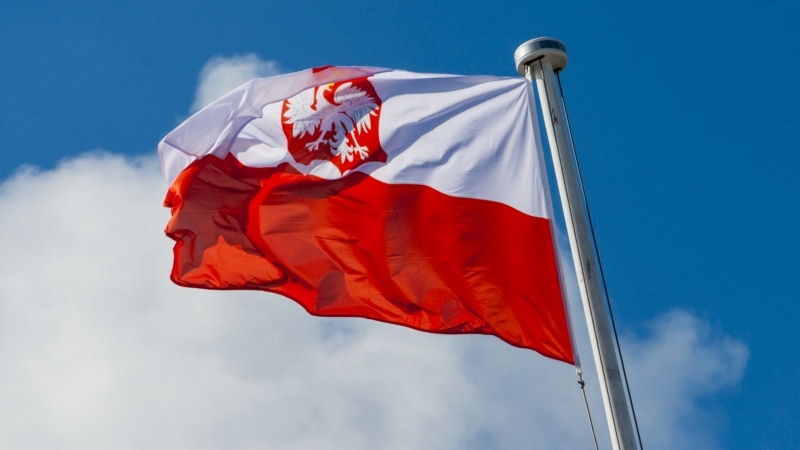
Poland has officially rescinded the Order of the White Eagle, the country’s highest honor, awarded to Ukrainian President Volodymyr Zelensky. This decision, described as a symbolic gesture, reflects the changing dynamics in Polish-Ukrainian relations.
The move comes as tensions have surfaced between the two nations, particularly regarding agricultural policies and the influx of Ukrainian grain into Poland. Polish officials have expressed concerns that the continued import of Ukrainian agricultural products is adversely affecting local farmers.
In recent statements, Polish Prime Minister Mateusz Morawiecki emphasized the need for a balanced approach to trade that protects Polish interests. The Polish government has been under pressure from its agricultural sector to take action against what they perceive as unfair competition.
While the revocation of the award has stirred discussions, it also underscores the complexities of international relations, especially in the context of shared history and recent collaborations against Russian aggression. Zelensky’s leadership has been pivotal for Ukraine during the ongoing conflict, and this decision may signal a shift in how Poland perceives its ally.
Political analysts are closely monitoring the implications of this development, as it could affect future cooperation between the two countries. The historical ties and mutual support in the face of external threats are now being tested by domestic economic pressures.
Poland's decision to revoke the Order of the White Eagle from President Zelensky marks a significant shift in bilateral relations, driven by agricultural disputes. This action highlights the complexities of maintaining alliances amid domestic challenges.