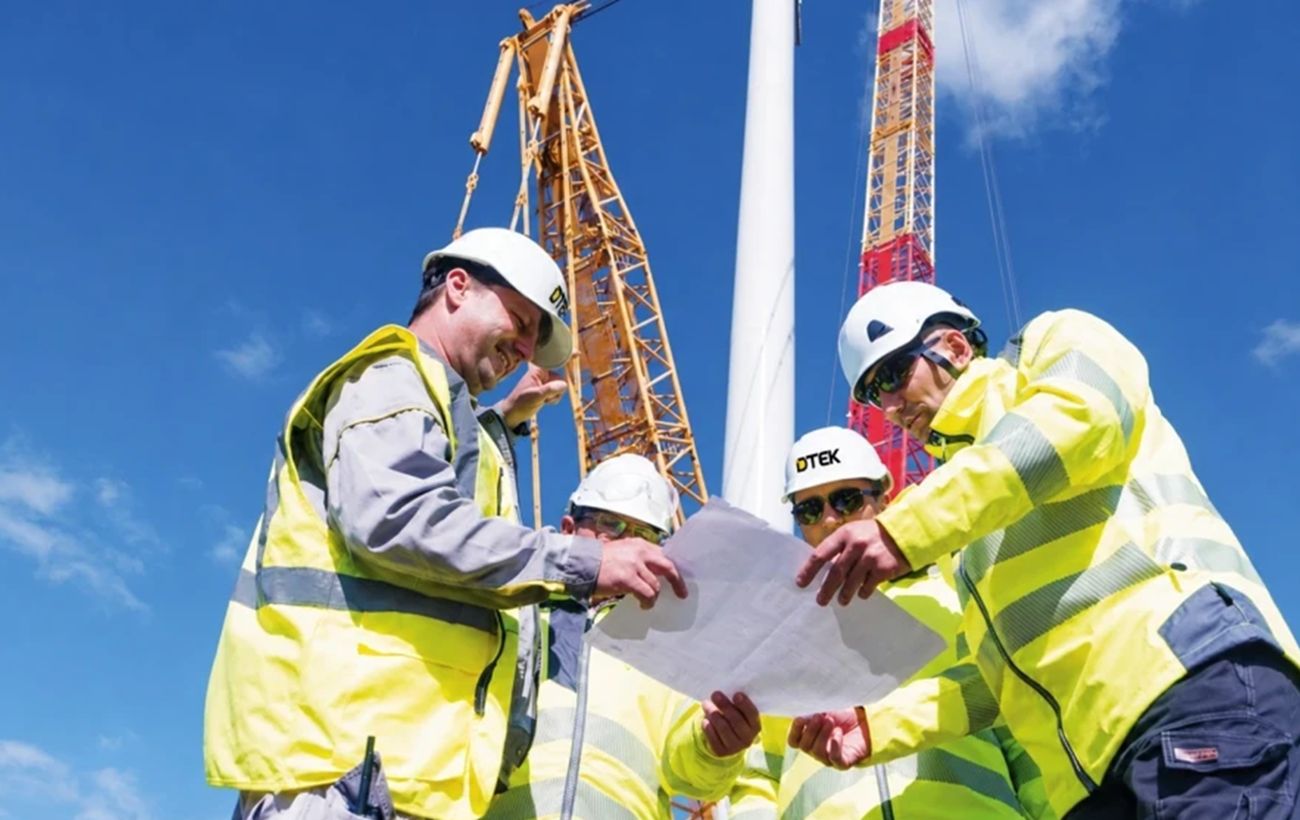
DTEK, Ukraine’s largest investor, has launched its inaugural Energy Transition Plan aimed at bolstering the nation’s energy security and advancing decarbonization efforts. This initiative outlines strategies for developing a more secure, resilient, and low-carbon energy system, while also supporting Ukraine’s long-term recovery and integration with Europe.
The company’s announcement emphasizes that rebuilding the energy infrastructure can enhance both energy security and long-term competitiveness through investments in modern, sustainable, and low-carbon technologies. DTEK asserts that renewable energy sources, energy storage systems, and distributed energy solutions will be pivotal in strengthening resilience and facilitating Ukraine’s long-term decarbonization goals.
“The Energy Transition Plan has been crafted in light of the unique challenges faced by a country at war, addressing the urgent needs of Ukraine’s energy system while aligning with Europe’s green agenda,” the company stated.
The plan delineates four strategic priorities that DTEK will pursue to facilitate Ukraine’s energy transformation:
- Commitment to phasing out coal in Ukraine;
- Increasing investments in renewable energy sources;
- Modernizing electrical grids;
- Implementing low-carbon solutions to enhance both energy security and decarbonization processes.
Jeff Otem, DTEK’s Director of Sustainable Development, remarked, “One of the most pressing issues facing Ukraine during the recovery process is finding a balance between the need for energy security and the energy transition. At DTEK, we believe these two aspects complement each other. The energy system we are rebuilding must be more resilient, flexible, and capable of better withstanding future shocks.” He also noted that the energy system should support Ukraine’s long-term ambitions for decarbonization and integration with Europe.
DTEK has introduced a comprehensive Energy Transition Plan aimed at enhancing Ukraine's energy security while promoting decarbonization. The plan outlines strategic priorities that include a commitment to renewable energy and modernization of infrastructure, addressing the challenges posed by the ongoing conflict.