Germany has officially introduced its first military strategy, designating Russia as the principal security threat in Europe. The new framework aims to transform the Bundeswehr into the continent’s most formidable conventional army.
The strategy outlines that under President Vladimir Putin, the Kremlin views military force as a legitimate means to advance its interests and is preparing for direct confrontation with NATO. The document states that Russia is already engaged in hybrid warfare against the West, employing espionage, sabotage, and cyberattacks.
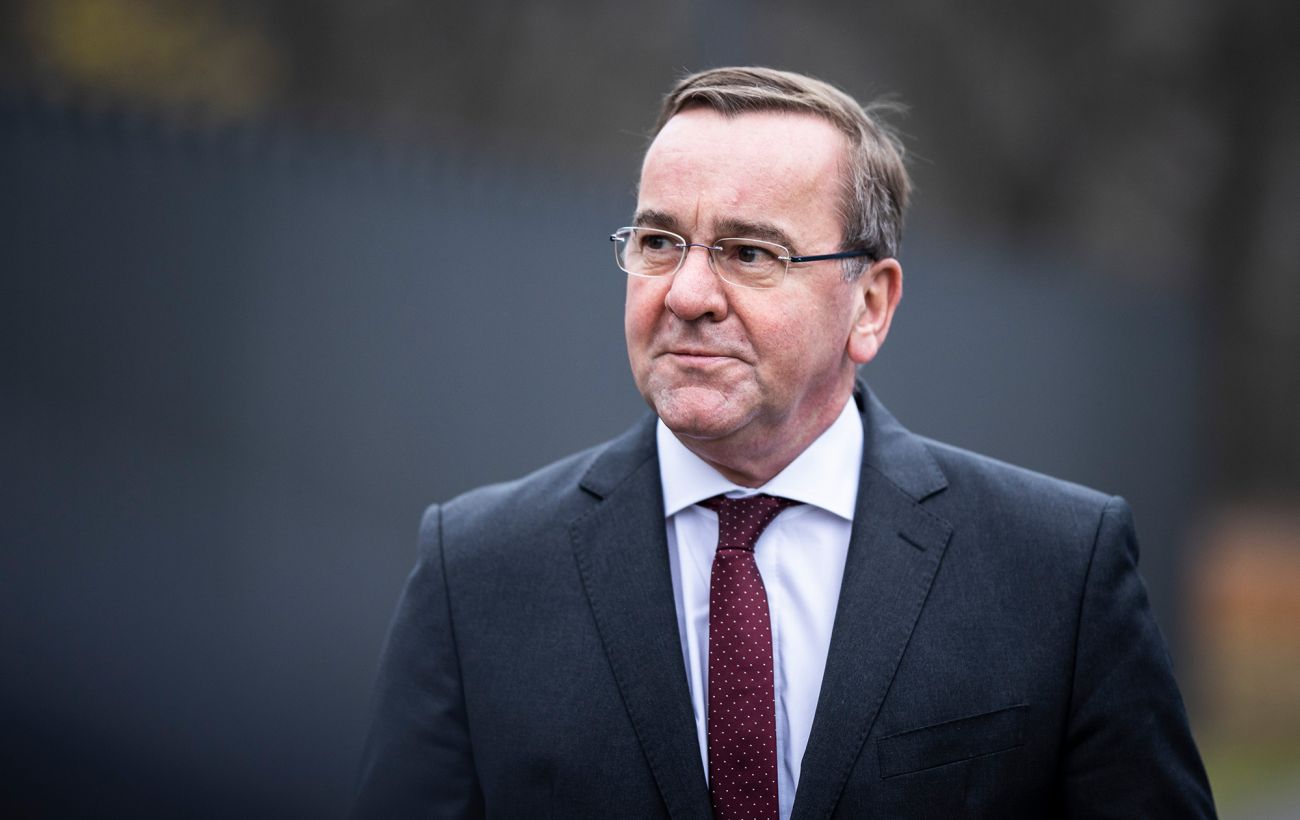
Defense Minister Boris Pistorius emphasized that Moscow is establishing conditions conducive to a potential armed attack on NATO member states. The strategy calls for a readiness of at least 460,000 German soldiers, alongside allies, to counter any possible aggression.
Germany aims to achieve technological superiority and significantly enhance its military capabilities. The strategy indicates that future conflicts will involve both advanced technologies and mass resources. Key priorities include the development of artificial intelligence, quantum computing, and robotics, alongside the deployment of cost-effective drones.
Particular emphasis is placed on securing information dominance in both space and cyberspace. The Bundeswehr plans to substantially increase the number of long-range precision systems and develop a multi-layered air defense network. Additionally, the strategy highlights the importance of strengthening the role of reserves, ensuring they are fully equipped for rapid deployment when necessary.
While the United States remains an indispensable partner for NATO, the strategy prioritizes increasing the burden on the German military. Berlin has officially confirmed its readiness to assume greater responsibility within the Alliance and to continue its participation in nuclear deterrence mechanisms.
The authors of the document stress that in the current environment, there are no longer secure rear areas, meaning that adversaries may target not only military assets but also the entire society and economy.
In light of recent threats from Russia, the German Foreign Ministry summoned the Russian ambassador following direct threats from the Kremlin regarding targets within Germany. Berlin views these actions as attempts to intimidate and undermine European unity.
Simultaneously, Germany continues to enhance Ukraine’s defense capabilities. Minister Pistorius announced the launch of a substantial support package for Ukrainian air defense, designed to provide long-term protection of its airspace over several years.
Furthermore, Berlin and Kyiv have agreed to strengthen the long-range capabilities of the Ukrainian Armed Forces. The two countries are establishing a joint defense enterprise to enable Ukraine to conduct more effective strikes over greater distances.
Germany's new military strategy identifies Russia as the main security threat in Europe, outlining plans to enhance the Bundeswehr's capabilities and support Ukraine's defense. The strategy emphasizes technological advancement and increased readiness against potential aggression.