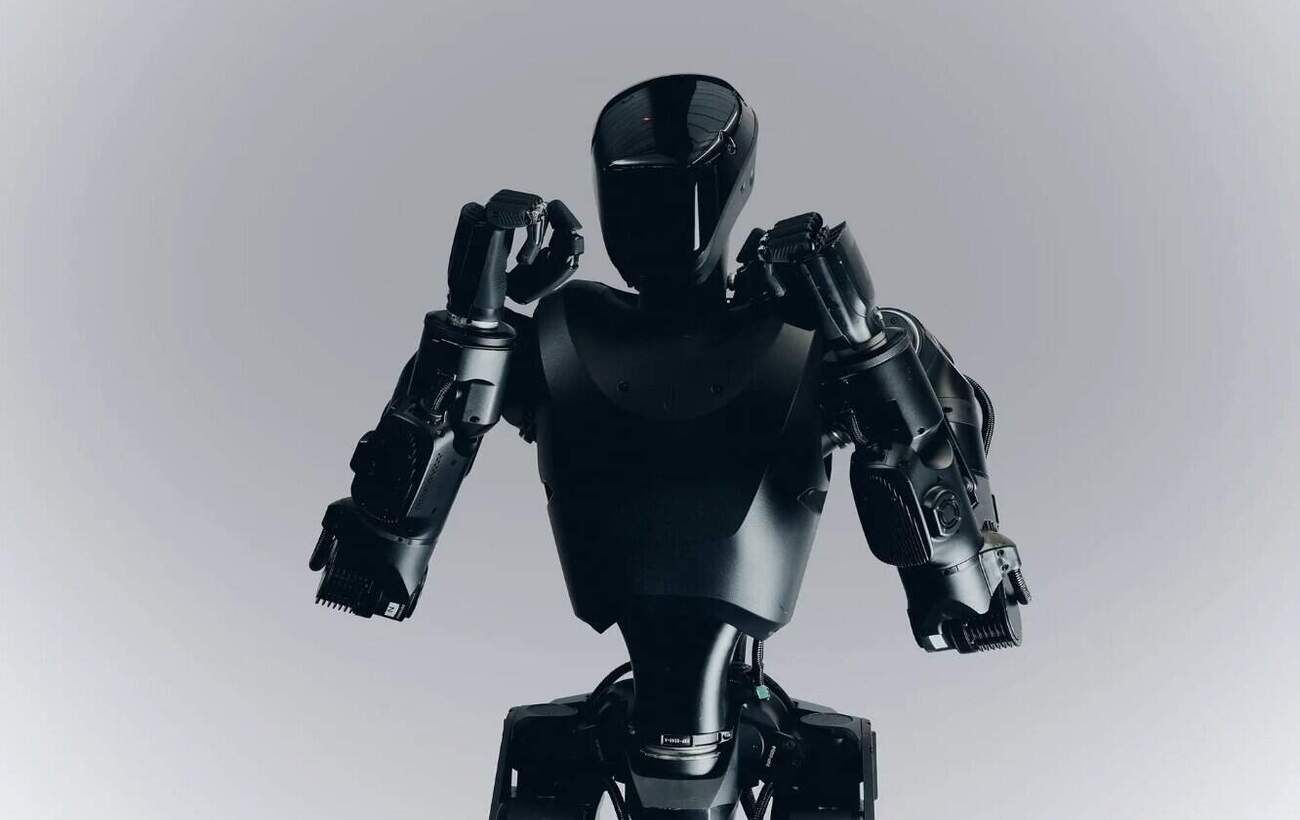
The American robotics firm Foundation, with support from the U.S. and Ukrainian governments, has conducted initial tests of its humanoid robots, the Phantom MK-1. These trials have showcased both the significant capabilities of the androids and the considerable technical challenges that currently prevent them from fully replacing infantry units.
The Phantom MK-1, introduced in the fall of 2025, is among the first humanoid platforms designed specifically for combat scenarios. Standing at approximately 175 centimeters tall and weighing between 79 and 82 kilograms, these robots have primarily been deployed in Ukraine for transporting ammunition and supplies to frontline positions under fire.
Foundation’s leadership has described the initial results as promising, noting that the robots have the potential to alleviate some of the most dangerous logistical tasks faced by military personnel.
However, despite claims of their groundbreaking capabilities, the MK-1 model has several critical shortcomings that hinder its widespread combat use:
- Limited Payload Capacity: The robot can only carry up to 20 kilograms, which is insufficient for serious military supply needs on the battlefield.
- Weather Vulnerability: The MK-1’s body lacks adequate protection against moisture and water, making it ill-suited for operations in trenches or rainy conditions.
- Weak Battery Life: The battery charge is inadequate for prolonged or large-scale missions.
Developers are addressing these issues in the upcoming Phantom 2 model, which is expected to be delivered to Ukraine for testing by the end of 2026.
Beyond mechanical challenges, military experts and engineers have identified additional risks associated with the technology:
- Technology Loss: If the robot falls into enemy hands, it could lead to the leakage of sensitive data and algorithms.
- Susceptibility to Electronic Warfare: Control signals for the robot can be jammed or intercepted.
- AI Unpredictability: The neural network may exhibit erratic behavior or system failures in real combat conditions.
Despite these concerns, the success of the Ukrainian tests has opened doors for Foundation to secure substantial contracts with the Pentagon, amounting to $24 million for U.S. Army, Air Force, and Navy needs. The company is currently ramping up production and plans to manufacture up to 50,000 military and industrial humanoids by the end of 2027, aimed at tackling the most challenging tasks, from reconnaissance to mine clearance.
Foundation's testing of the Phantom MK-1 robots in Ukraine has revealed both their potential and significant limitations. While promising for logistics, critical technical issues must be addressed before they can be effectively integrated into military operations.