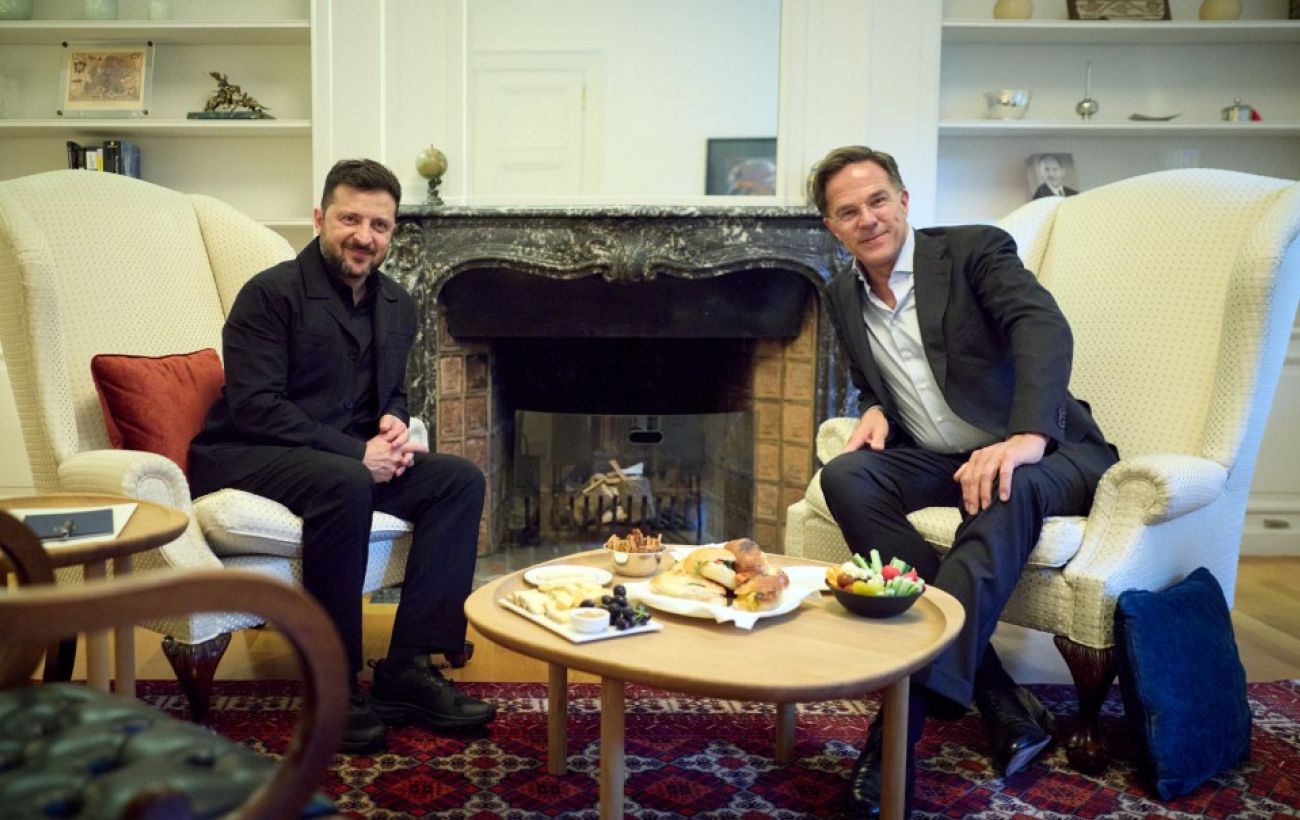
Ukrainian President Volodymyr Zelensky met with NATO Secretary General Mark Rutte in Brussels to discuss strengthening Ukraine’s air defense capabilities and other key security issues. The meeting underscored ongoing efforts to bolster Ukraine’s defense in light of the current geopolitical climate.
Zelensky characterized the meeting as productive, stating, “We discussed the commitments made with partners during the G7 summit. The primary focus is on enhancing our defense and obtaining licenses from the United States for the production of air defense systems.” This indicates a strategic shift towards increasing domestic production of military equipment in Ukraine.
Additionally, the two leaders addressed the PURL mechanism, emphasizing the need for timely deliveries of anti-ballistic missiles. Zelensky highlighted the program’s critical role in safeguarding lives, reiterating the urgency of expediting supplies.
The Ukrainian president expressed gratitude to Rutte for the invitation to the upcoming NATO summit scheduled for next month in Ankara. He stated, “I thank you for the invitation to the NATO summit, where we will work to ensure it is productive for Ukraine’s defense. Thank you, Mark, for your support.” This reflects Ukraine’s continued engagement with NATO allies in its defense strategy.
In a related context, it is noteworthy that Zelensky participated in a G7 meeting on June 16, where discussions included President Donald Trump. Following that meeting, the G7 countries released a joint statement agreeing on several measures related to Ukraine, including increased air defense supplies, additional anti-aircraft systems, and interceptor missiles. The G7 also considered granting Ukraine licenses for the domestic production of foreign weaponry and committed to intensifying economic pressure on Russia.
Ukrainian President Zelensky's meeting with NATO's Rutte focused on enhancing Ukraine's air defense and expediting military supplies. The discussions reflect ongoing international support for Ukraine amid heightened security concerns.