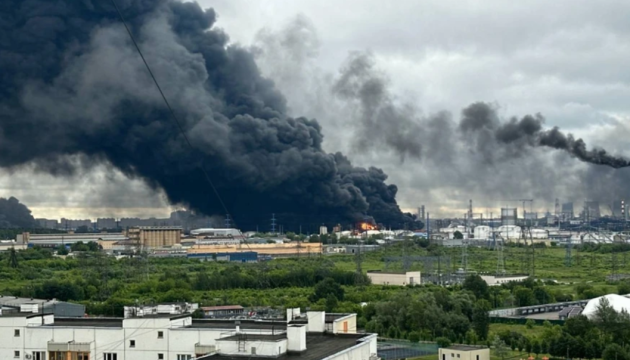
On June 18, 2026, Ukraine executed a significant drone assault targeting the Moscow region, marking the second such attack within a week. This operation resulted in multiple fires at a major oil refinery located approximately 15 kilometers from the Kremlin, highlighting the escalating intensity of the conflict.
Key Developments
- Ukrainian President Volodymyr Zelensky confirmed the attack on the oil refinery in Kapotnya, which experienced at least five separate fire outbreaks.
- According to reports from the BBC, all four airports in Moscow—Sheremetyevo, Domodedovo, Vnukovo, and Ramenskoye—were closed to incoming and outgoing flights due to the drone strikes, leading to the cancellation and delay of 527 flights.
- In the aftermath of the drone attack, residents in Moscow and its suburbs reported unusual weather phenomena, including a black rain that carried the scent of burning materials and left residues resembling oil products.
In response to the drone strikes, Russian military forces reportedly launched 55 attacks on various fronts, with a focus on the Liman and Pokrovsk directions, as stated by the General Staff of the Armed Forces of Ukraine.
International Military Support
During the 35th meeting of the Ukraine Defense Contact Group, held in Brussels, Germany and Ukraine signed an agreement to jointly develop a new air defense system aimed at intercepting ballistic missiles. This initiative is part of broader efforts to enhance Ukraine’s military capabilities amid ongoing hostilities.
Additionally, the United Kingdom announced plans to supply Ukraine with 150,000 drones by the end of the year, valued at nearly $1 billion. This commitment reflects the increasing military support from Western allies as Ukraine seeks to bolster its defense against Russian aggression.
During his visit to Belgium, President Zelensky engaged in discussions with Dutch Prime Minister Mark Rutte regarding military assistance and the timeline for delivering F-16 fighter jets to Ukraine.
Statements from Leaders
At the Contact Group meeting, Zelensky emphasized the necessity for stronger military support from allies, particularly in light of the evolving situation on the battlefield. He noted that Ukraine could assist NATO in strengthening its own defense capabilities. Rutte echoed this sentiment, urging allies to capitalize on the current momentum in favor of Ukraine.
Furthermore, Zelensky highlighted the urgent need for results regarding Ukraine’s anti-ballistic program before winter, stressing the importance of collaborative security efforts leading up to the upcoming NATO summit in Ankara.
In a broader context, Zelensky remarked on the heavy toll that Russia is facing in terms of military casualties, estimating losses of at least 30,000 soldiers each month, a figure expected to rise as Ukraine enhances its defensive capabilities.
Casualties and Humanitarian Impact
In related developments, the Ukrainian Coordination Headquarters reported the return of the remains of 522 fallen soldiers. This exchange underscores the ongoing human cost of the conflict, which has seen significant military and civilian casualties on both sides.
As the war continues, the Ukrainian government remains focused on securing international support and enhancing its military capabilities, while the humanitarian impact of the conflict continues to unfold.
Ukraine's recent drone attack on the Moscow region underscores the escalating conflict, with significant repercussions for both military operations and civilian life. As international support for Ukraine strengthens, the situation remains fluid and complex.
