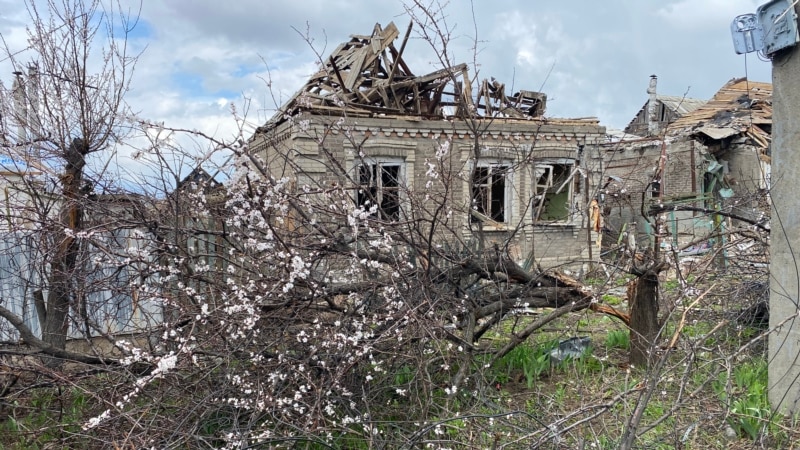
On April 26, Russian forces targeted Kramatorsk in the Donetsk region, according to local prosecutors. The attack struck residential areas, leading to the deaths of a man and a woman who were outside at the time.
In addition to the fatalities, a 50-year-old civilian sustained injuries from shrapnel and a fracture, and has been hospitalized in serious condition. The attack also damaged eight residential buildings, with authorities still determining the precise nature of the weaponry used.
The Kramatorsk District Prosecutor’s Office has initiated a preliminary investigation into the incident as a potential war crime under Article 438 of the Ukrainian Criminal Code.
Russian military forces have consistently targeted Ukrainian cities and civilian infrastructure using various types of weaponry, including drones and missiles. Ukrainian officials and international organizations have classified these attacks as war crimes, asserting that they are deliberate in nature.
Attacks on essential services and healthcare facilities, aimed at depriving civilians of electricity, heating, water supply, communication, and medical assistance, have been characterized as genocidal actions. Legal experts and human rights advocates argue that the ongoing conflict has seen Russia commit acts that could be classified as genocide against the Ukrainian population.
Key indicators of genocide include public declarations by Russian officials denying the existence of Ukrainians as an ethnic group, calls for their destruction, and targeted assaults on essential services. The systematic targeting of pro-Ukrainian individuals in occupied territories and the destruction of Ukrainian cultural heritage further illustrate these claims.
The Convention on the Prevention and Punishment of the Crime of Genocide, adopted by the UN General Assembly in 1948, obligates signatory nations to prevent and punish acts of genocide in both wartime and peacetime. The convention defines genocide as actions intended to destroy, in whole or in part, a national, ethnic, racial, or religious group.
Signs of genocide include the killing of group members, causing serious bodily harm, deliberately creating life conditions aimed at the destruction of a group, and the forcible transfer of children. Despite these allegations, Russian leadership denies that its military conducts targeted strikes against civilian infrastructure, asserting that such claims are unfounded.
A recent attack by Russian forces in Kramatorsk resulted in civilian deaths and injuries, prompting an investigation into potential war crimes. The incident reflects ongoing concerns regarding targeted assaults on Ukrainian civilians and infrastructure amidst the broader conflict.