The ongoing conflict involving the United States, Israel, and Iran has resulted in significant financial repercussions for global corporations, amounting to at least $25 billion. This figure continues to rise, with the most severe impacts felt by airlines, automotive manufacturers, and the consumer sector in Europe and Asia.
Reuters conducted an analysis of corporate statements from companies listed in the United States, Europe, and Asia since the onset of the conflict. A total of 279 companies have cited the war as a reason for implementing protective measures, including price increases, production cuts, suspension of dividends and stock buybacks, unpaid leave for employees, fuel surcharges, and applications for government assistance.
“This level of decline in the industry is comparable to what we observed during the global financial crisis, and even higher than during other recessionary periods,” stated Whirlpool, a major appliance manufacturer.
Analysts caution that the full financial impact has yet to be realized. Rami Sarafa, CEO of Cordoba Advisory Partners, remarked, “The true hit to profits has not yet materialized in the results of most companies.”
Airlines and Automakers Suffer Major Losses
Airlines account for the largest portion of documented losses, nearing $15 billion, driven by a near doubling of aviation fuel prices. Japanese automaker Toyota has warned of a $4.3 billion impact, while Procter & Gamble has estimated a $1 billion decline in net profit.
McDonald’s has indicated that it anticipates long-term inflationary pressures due to supply chain disruptions. CEO Chris Kempczinski noted, “Rising gasoline prices are the primary issue we are currently facing,” adding that increased fuel costs are negatively affecting consumer demand among low-income individuals.
Approximately 40 companies within the industrial, chemical, and raw materials sectors have reported price hikes due to their reliance on Middle Eastern petrochemical supplies.
Europe and Asia Bear the Brunt
One-fifth of the companies surveyed, spanning cosmetics, tire manufacturing, cleaning products, cruise operators, and airlines, reported financial losses. The majority of these companies are based in the United Kingdom and Europe, where energy prices were already elevated.
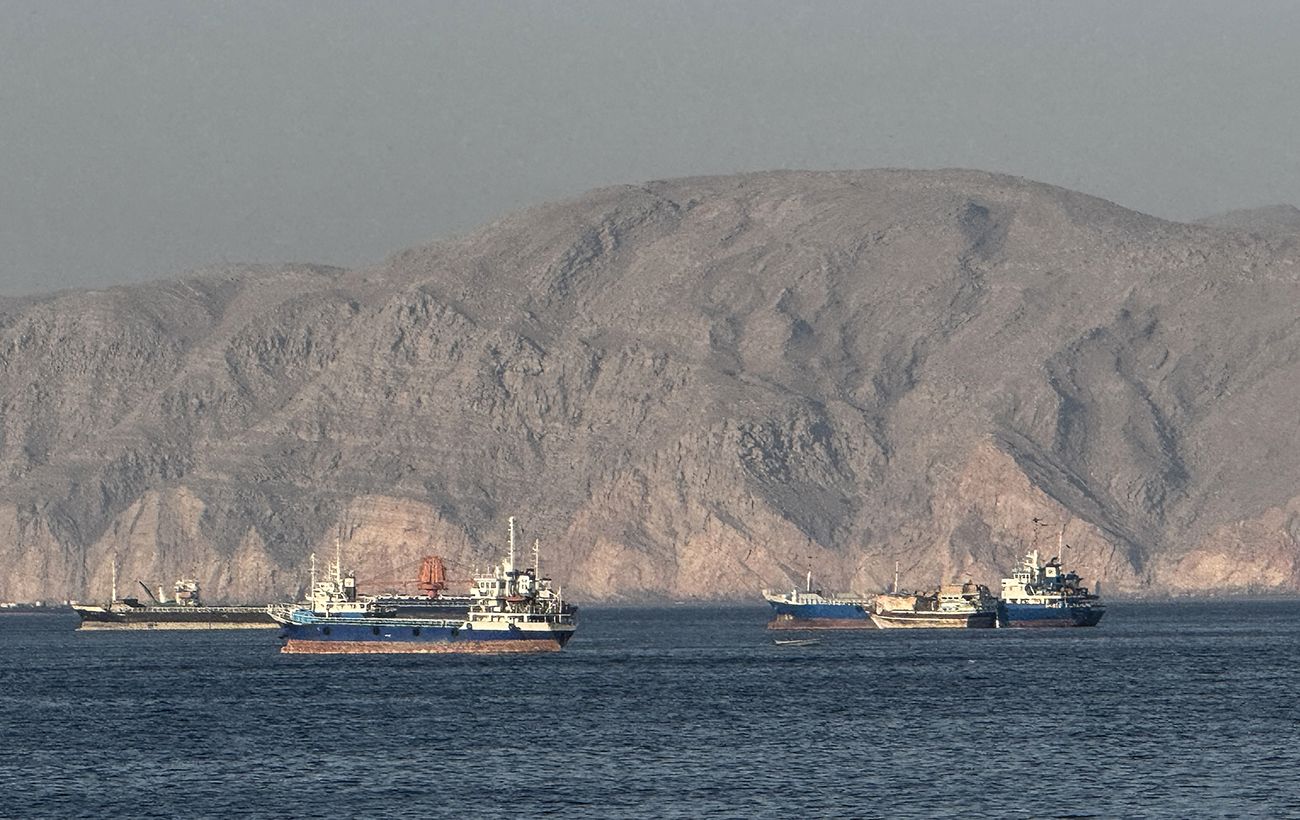
Nearly one-third of the affected companies are located in Asia, reflecting the region’s dependence on Middle Eastern oil. The blockade of the Strait of Hormuz, a critical energy corridor, has driven oil prices above $100 per barrel, representing an increase of more than 50% compared to pre-war levels. This situation has disrupted the supply of fertilizers, helium, aluminum, polyethylene, and other essential resources.
For context, by October of the previous year, hundreds of companies had already reported over $35 billion in costs due to tariffs imposed by former President Donald Trump in 2025.
The conflict involving the U.S., Israel, and Iran has led to substantial financial losses for global companies, primarily affecting airlines and automakers. As the situation evolves, analysts warn that the full impact on profits has yet to be realized.
Source: Reuters