The United States is spearheading initiatives within the G7 to enhance nuclear safety measures at the Chernobyl Nuclear Power Plant, as announced by the State Department on April 29.
In its statement, the department revealed plans to allocate approximately $100 million in financial support aimed at further isolating fissile nuclear material at the site in Ukraine. This funding is part of a coordinated G7 effort to bolster security at the facility.
For the past three decades, the U.S. has collaborated with G7 partners to mitigate the risks associated with nuclear materials at Chernobyl. Notably, Washington has contributed over $365 million towards the construction of the New Safe Confinement (NSC) structure, designed to protect the reactor zones.
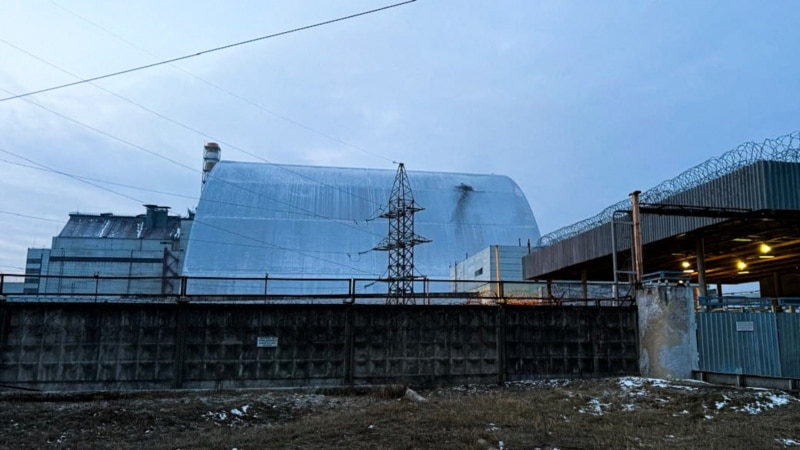
The NSC, which is expected to function for a century, was damaged last year due to a drone strike amid the ongoing conflict between Russia and Ukraine. Without repairs, the NSC can no longer provide adequate protection, posing a risk of high-radioactive material leaks into Europe.
The $100 million from the U.S. is estimated to cover about 20% of the total cost for restoring the NSC, which the G7 has projected to be around $500 million. These funds will be directed towards the restoration of the confinement structure and ensuring continued protection of the reactors and remaining radioactive materials at Chernobyl.
The State Department has urged G7 partners and European nations to follow suit by committing significant financial resources to share the burden of these critical repair efforts.
In February 2025, a drone struck the protective dome over the destroyed reactor at Chernobyl. Ukraine claimed that a Russian drone with an explosive warhead was responsible, a claim the Kremlin denied, suggesting that Ukraine aimed to disrupt ongoing peace negotiations at that time.
While the physical damage to the dome is limited, the financial and security implications are substantial. The fourth reactor at Chernobyl exploded in 1986, resulting in the worst nuclear disaster in history. The dome, which cost $2.5 billion to construct, was built in 2019 to prevent further radiation leaks and facilitate the dismantling of the reactor remnants.
The U.S. is leading G7 efforts to secure funding for nuclear safety at Chernobyl, pledging $100 million to restore the damaged New Safe Confinement structure. This initiative underscores the ongoing international commitment to manage nuclear risks at the site, especially amid heightened tensions in the region.