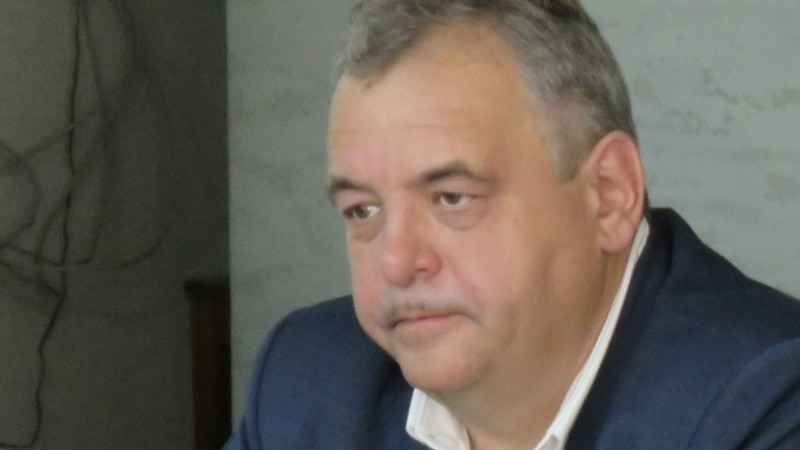
Renat Suleimanov has raised concerns about the allocation of federal budget funds, noting that a significant 40% is directed towards defense and security. This prioritization, he argues, is detrimental to the country’s economic development and investment opportunities.
Suleimanov’s remarks come at a time when many are questioning the sustainability of such high military expenditures. He emphasizes that while national security is crucial, the current budgetary focus limits resources available for infrastructure, education, and other vital sectors.
In a recent analysis, Suleimanov pointed out that countries with balanced budget allocations tend to experience more robust economic growth. He believes that reallocating even a portion of defense spending could lead to significant improvements in public services and overall economic health.
Critics of the current budget strategy echo Suleimanov’s sentiments, arguing that excessive military funding diverts attention from pressing social issues, such as healthcare and education. They advocate for a more diversified approach to budget allocation that would foster long-term growth.
As discussions around the federal budget continue, the debate over defense spending versus economic investment is likely to remain a focal point for policymakers and analysts alike.
Renat Suleimanov argues that the allocation of 40% of the federal budget to defense is stifling economic growth and investment. He advocates for a more balanced approach to budgetary priorities to enhance public services and overall economic health.