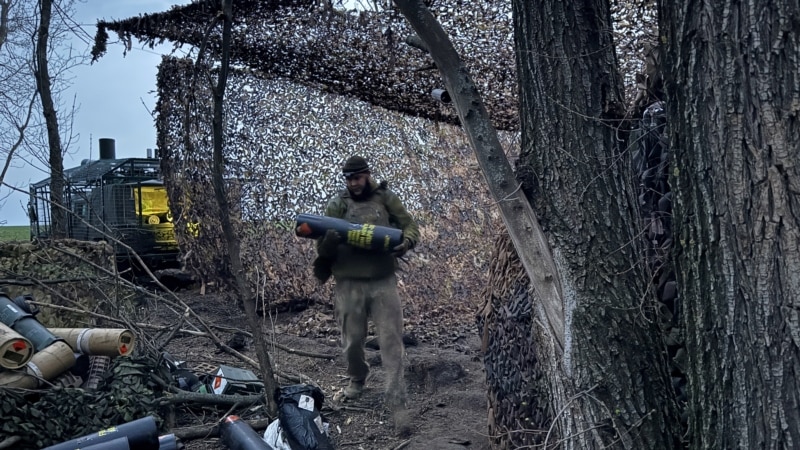
The Ukrainian General Staff reported a significant escalation in combat operations, with 139 clashes occurring since the start of the day. The most intense fighting has been concentrated in the Pokrovsk direction, where Russian forces launched 25 attacks, attempting to advance in several key settlements.
According to military officials, the Russian offensive targeted areas including Rodynske, Chervonyi Lyman, Pokrovsk, and Udačne, among others. Ukrainian defense forces successfully repelled 18 assaults in the Kostiantynivka area, defending positions near Kostiantynivka, Pleshchiivka, and Ivanopillia.
In the Huliaipole direction, Ukrainian troops thwarted 17 attacks aimed at Dobropillia and surrounding villages. Combat continues in various regions, including the Northern Slobozhanskyi, Southern Slobozhanskyi, Kupiansk, and Dnipro directions, with ongoing skirmishes reported.
Notably, there were no offensive actions reported from Russian forces in the Sloviansk, Kramatorsk, and Orikhiv directions. This relative calm in these sectors contrasts sharply with the heightened activity elsewhere.
On April 15, General Oleksandr Syrskyi, Commander of the Ukrainian Armed Forces, indicated that the Russian military has intensified its offensive operations, taking advantage of changing weather conditions along a 1,200-kilometer front line. The most active areas in March included the Oleksandrivsk, Pokrovsk, Kostiantynivka, and Lyman directions.
Further insights were provided on April 17 by Volodymyr Polevyi, head of communications for the 7th Rapid Reaction Corps, who noted that Russian troops are amassing resources in the southern outskirts of Myrnohrad, using residential buildings as natural cover.
The Ukrainian military reported a surge in clashes with Russian forces, particularly in the Pokrovsk direction. Despite ongoing assaults, Ukrainian defenses have successfully repelled numerous attacks across various fronts.