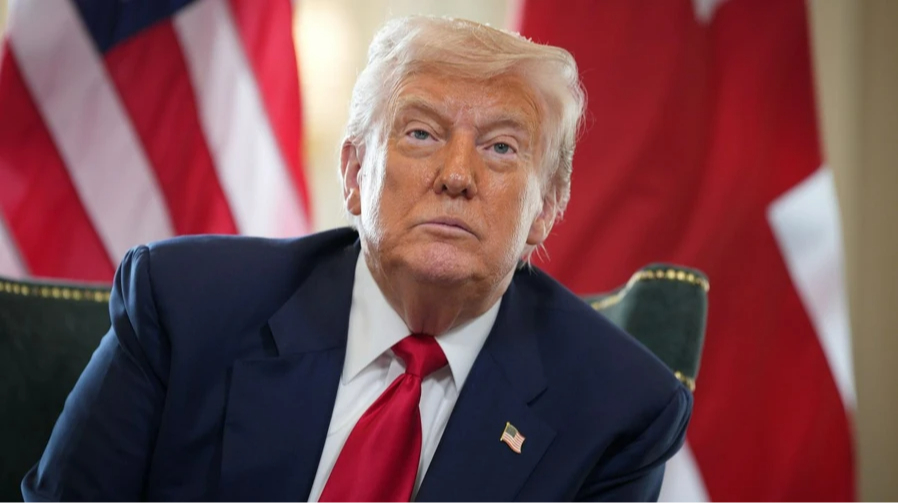
In a recent interview, former U.S. President Donald Trump stated that Israeli Prime Minister Benjamin Netanyahu would have no choice but to accept any agreement reached between the United States and Iran. This declaration comes against a backdrop of escalating tensions in the region.
Trump emphasized his authority in international negotiations, asserting, “I decide all the issues. He does not decide.” His comments reflect a strong stance on U.S. foreign policy, particularly regarding Iran and its relationship with Israel.
Despite recent Iranian missile strikes aimed at Israel, Trump maintained that these developments would not alter his commitment to pursuing a diplomatic resolution with Tehran. He remarked, “This will not affect the deal… They (the Iranian missile strikes) were attacks that were completely unsuccessful.”
On June 7, Iran launched a missile strike towards Israel, prompting a response from Trump, who urged restraint from the Israeli government. This incident has heightened concerns about the potential for further conflict in the region.
Trump’s remarks highlight the complexities of U.S.-Middle East relations, particularly as the Biden administration navigates its own approach to Iran following the Trump era’s policies. The former president’s confidence in his negotiating power suggests a continued influence on discussions surrounding U.S.-Iran relations.
As tensions persist, the international community watches closely to see how these dynamics will evolve and what implications they may have for regional stability.
Former President Donald Trump has asserted that Israeli Prime Minister Netanyahu must accept any U.S.-Iran agreement, despite recent tensions. Trump's comments underscore his belief in U.S. authority over Middle Eastern negotiations and reflect ongoing complexities in the region.