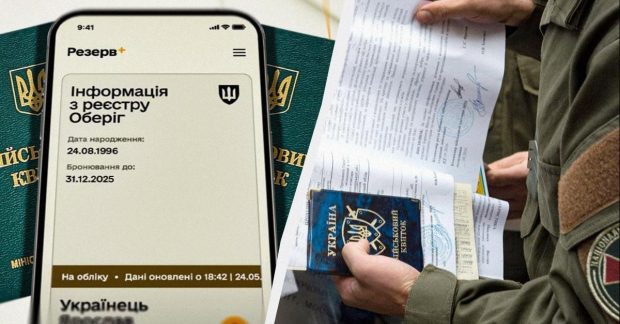
The Ukrainian government is preparing to implement stricter regulations concerning the mobilization exemptions for employees, particularly affecting those in critical industries. The Ministry of Economy has announced that new criteria will soon be introduced, which may significantly alter the current landscape of mobilization deferments.
Under the proposed changes, companies will need to demonstrate that the average salary for employees meets a minimum threshold of 25,941 hryvnias, equivalent to three minimum wages. Firms that fail to meet this requirement will not be eligible to apply for mobilization exemptions on behalf of their workers.
Exceptions will be made for businesses located in frontline areas, where the minimum salary requirement will be lowered to 21,618 hryvnias, or 2.5 minimum wages.
Another key modification stipulates that individuals can only receive a mobilization deferment for one job. Holding multiple positions will disqualify workers from receiving this exemption.
Additionally, the government plans to review the criteria for determining which enterprises are considered critical. This assessment will be conducted in collaboration with the Ministries of Defense and Economy. Companies will be evaluated within three months of the new regulations taking effect, and some may lose their critical status.
Details regarding the new criteria and the specific professions eligible for exemptions are yet to be disclosed. Until the new regulations are enacted, existing exemptions will remain valid.
The government has not yet published the official decree, but it is expected to take effect around late summer 2026, according to a recent government briefing.
How to Obtain a Mobilization Exemption in Ukraine
Employers are responsible for applying for mobilization exemptions on behalf of their employees. This process involves submitting a list of employees through the “Diia” service, which is an electronic government platform. Applications must be signed with an electronic key, and decisions regarding exemptions are typically made within a few days.
The duration of the exemption can vary, lasting anywhere from one day to several weeks, with an average processing time of 72 hours. Exemptions are valid for either six or twelve months, depending on the industry, and must be renewed upon expiration. It is crucial for employees to ensure there is no gap between the end of one exemption and the start of another.
How to Verify a Mobilization Exemption
Once an employee is granted a mobilization exemption, they can check their status using the “Reserve+” application. The document will indicate a status of “Reserved” along with the expiration date. To confirm their exemption with military enlistment offices, employees are advised to print a copy of the electronic document or request a paper certificate from their employer.
Reasons for Potential Denial of Exemptions
Exemptions may be denied for various reasons related to both the employer and the employee. Companies may not qualify if they do not meet the criticality or salary requirements. Furthermore, many businesses are limited to reserving only 50% of their employees, meaning that some individuals may not receive exemptions.
Exceptions are made for companies in the energy and defense sectors and those in frontline regions, which can reserve exemptions for all eligible employees. Employees must also be officially employed; exemptions are not granted to informal workers or sole proprietors.
In cases where an employee is wanted by law enforcement, they may be given a 45-day period to rectify their military registration issues. After paying any fines and resolving their status, they may then be eligible for a full exemption.
The Ukrainian government is set to introduce stricter regulations for mobilization exemptions, requiring higher average salaries and limiting exemptions to one job per individual. These changes aim to reassess which companies qualify for critical status and are expected to take effect by late summer 2026.