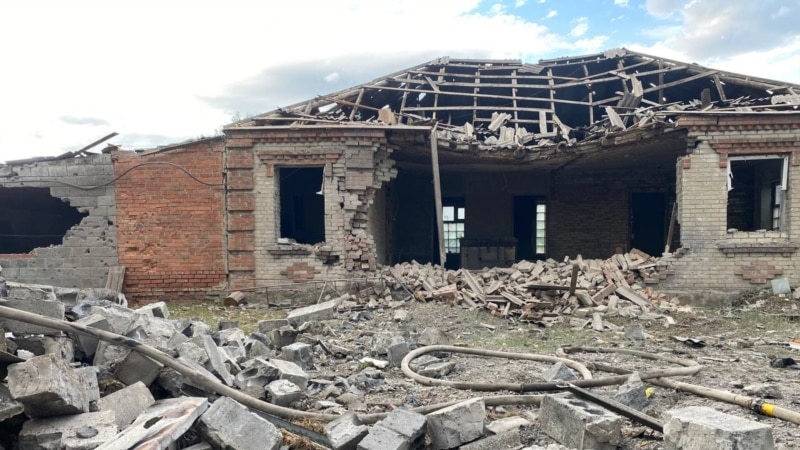
On June 16, 2026, Russian military forces launched multiple strikes on Sloviansk, leading to the deaths of three individuals and injuring five others, according to the Donetsk regional prosecutor’s office.
The first attack occurred at 4:15 PM, targeting residential areas with FAB-250 munitions equipped with a guidance module. Among the deceased was an 81-year-old woman, while her husband sustained a concussion.
Later, at 6:00 PM, further strikes hit the city, resulting in the deaths of two local residents aged 36 and 37. Four additional civilians were reported injured in this second wave of attacks.
The bombardment caused significant damage, with at least 117 private homes affected. Russian military operations have increasingly targeted Ukrainian cities and civilian infrastructure using various weaponry, including drones, missiles, and multiple rocket launch systems.
Ukrainian authorities, along with international organizations, classify these strikes as war crimes, asserting that they are executed with intent to harm civilians. Such attacks on essential services, including healthcare and utilities, are viewed as actions aimed at depriving the population of basic necessities.
Legal experts and human rights advocates have raised concerns that these actions may constitute genocidal behavior, citing statements from Russian officials that undermine the existence of Ukrainian identity. The ongoing conflict has led to systematic targeting of individuals who express pro-Ukrainian sentiments, as well as efforts to erase Ukrainian culture and history.
The 1948 United Nations Convention on the Prevention and Punishment of the Crime of Genocide obligates signatory nations to prevent and punish acts of genocide in both wartime and peacetime. The convention defines genocide as actions intended to destroy, in whole or in part, a national, ethnic, racial, or religious group.
Indicators of genocide include the killing of group members, causing serious bodily or mental harm, deliberately inflicting conditions calculated to destroy the group, and forcibly transferring children from one group to another.
Despite these allegations, Russian leadership has consistently denied targeting civilian infrastructure during the ongoing conflict, asserting that military operations are conducted in accordance with international law.
Recent Russian military strikes on Sloviansk have resulted in civilian casualties and significant property damage. Ukrainian authorities and international organizations are classifying these actions as war crimes, raising concerns about potential genocidal behavior amid ongoing hostilities.