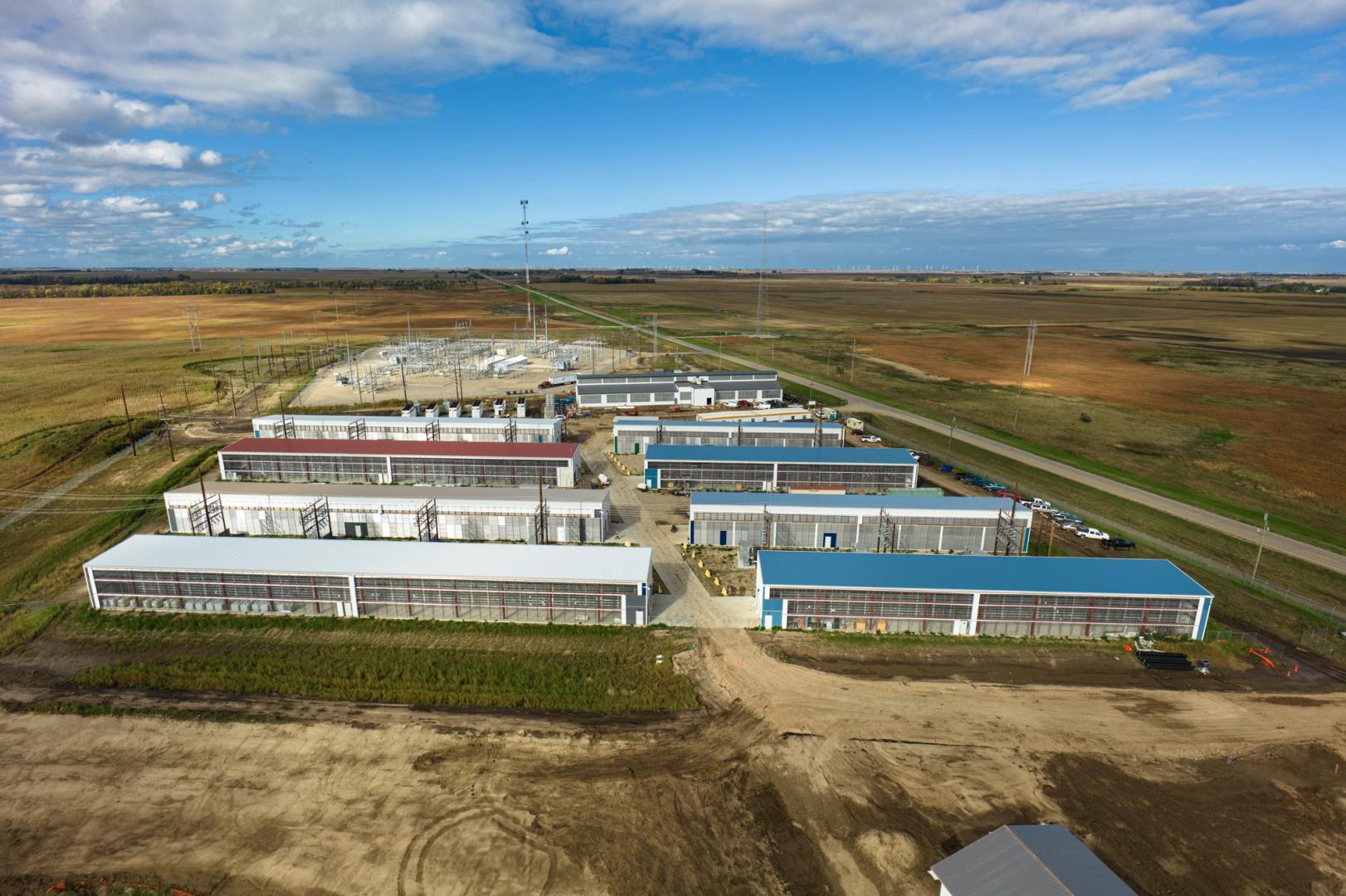
Bitcoin miners are navigating a pivotal transition as they attempt to reposition themselves as providers of AI infrastructure. A recent report by VanEck highlights the challenges these companies face in executing their ambitious plans, emphasizing a shift from merely announcing AI contracts to demonstrating the ability to finance and build necessary data centers.
According to VanEck, the sector is grappling with a near-term funding gap estimated at $50 billion, alongside long-term capital needs that could reach $221 billion if current development strategies are to be realized. The report underscores that only about 25% of the AI and high-performance computing (HPC) capacity that miners have leased has been delivered, raising concerns about the industry’s execution capabilities.
“Execution, not signing, becomes the next premium,” stated Griffin MacMaster, an investment analyst at VanEck.
This shift in focus comes in the wake of a significant decline in bitcoin mining profitability following the 2024 halving event. In response, many miners have begun repurposing their existing power infrastructure to cater to AI workloads, anticipating that tech companies will pay higher rates for electricity and data center services compared to traditional bitcoin mining.
Notable companies in this space include Core Scientific, which has entered a multibillion-dollar hosting agreement with AI startup CoreWeave, effectively transforming its business model. Other firms, such as TeraWulf, Hut 8, Iren, and Cipher Mining, have also announced plans to lease their power and data center capacity to AI and HPC clients. Meanwhile, companies like Marathon Digital, Riot Platforms, and CleanSpark are exploring hybrid strategies that allow them to maintain bitcoin mining operations while pursuing AI opportunities.
Despite a broader decline in cryptocurrency values—bitcoin has fallen approximately 24% since January—many bitcoin miners have experienced stock price gains. For instance, Riot has seen a nearly 94% increase in its stock year-to-date, while Cipher Mining has risen by 62%. This narrative shift has led to significant stock movements in the crypto sector, with investors increasingly valuing these companies based on their AI potential rather than their traditional mining operations.
However, VanEck cautions that determining accurate valuations remains complex, as investors are assessing businesses caught between declining mining revenues and nascent AI ventures that have yet to yield substantial cash flow. The firm notes that the most reliable valuation metric at present is “energized power,” referring to the operational power infrastructure a company has available. Firms with secured AI leases are commanding higher valuation multiples, exceeding 10 times their energized power, while those still in the planning stages are trading at lower multiples.
Additionally, the quality of tenants is expected to play a crucial role in future valuations. Companies serving investment-grade hyperscalers may benefit from lower financing costs and higher market valuations compared to those working with smaller AI startups.
VanEck’s report identifies several companies, including HIVE, Bitdeer, Keel, and IREN, as having potential for upside if they can secure additional contracts. In contrast, firms like Marathon Digital, CleanSpark, and Riot remain more closely tied to the fluctuations in bitcoin’s price.
Looking ahead, VanEck suggests that the industry’s next phase will require more than just ambitious announcements regarding AI. The real challenge lies in the ability to finance, construct, and operate large-scale infrastructure effectively. The firms that succeed in turning leased megawatts into operational data centers on time and within budget are likely to emerge as leaders in this evolving landscape.
As Bitcoin miners pivot to AI infrastructure, a VanEck report reveals significant funding challenges and emphasizes the need for execution over mere contract announcements. The industry's future hinges on the ability to finance and build large-scale data centers to meet AI demands.