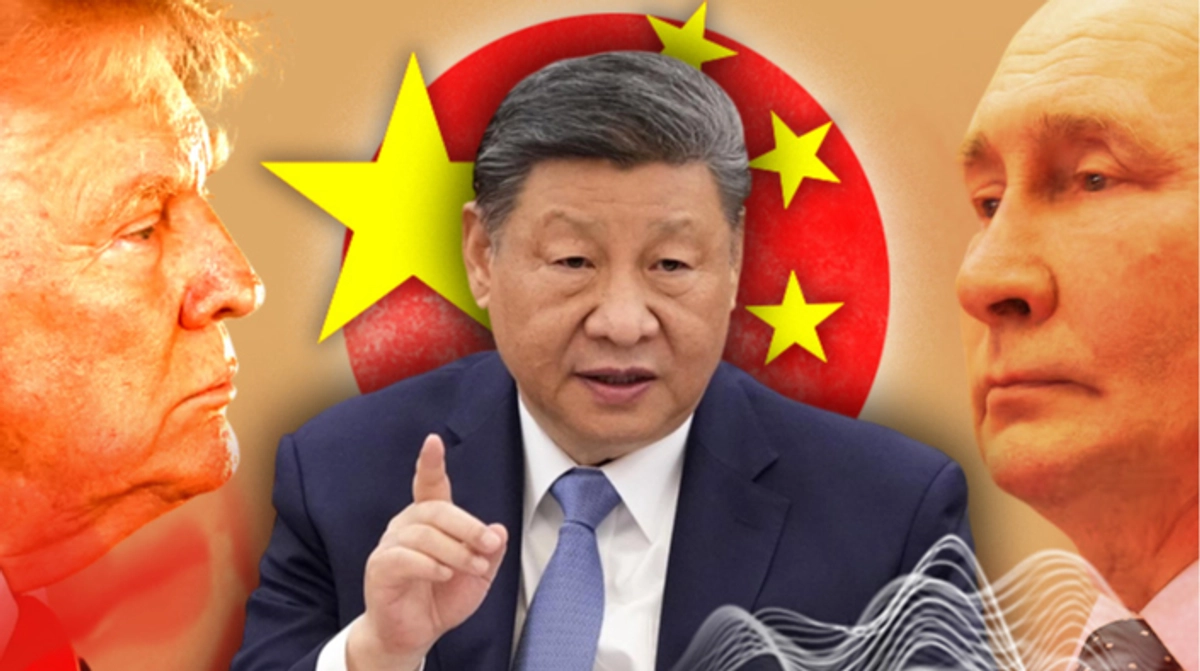
In the past week, China hosted two significant summits that underscore its expanding role in international relations. The first was marked by former U.S. President Donald Trump’s visit, his first to China in nearly a decade. This was followed by a meeting between Chinese President Xi Jinping and Russian President Vladimir Putin on May 19, which reflects the ongoing collaboration between China and Russia.
Trump’s visit to China was notable for its timing and context. It comes as the United States grapples with complex trade relations and geopolitical tensions with China. The discussions during this visit were expected to address various issues, including trade imbalances and security concerns in the Asia-Pacific region.
Conversely, Putin’s meeting with Xi is part of a series of regular interactions between the two leaders, emphasizing the deepening ties between China and Russia. Their discussions likely touched on shared interests, including economic cooperation and mutual support in international forums.
The implications of these meetings extend beyond bilateral relations. They signal a potential shift in global power dynamics, particularly as the U.S. and its allies reassess their strategies in response to China’s assertiveness. The dialogues also reflect ongoing tensions over Taiwan, advancements in artificial intelligence, and maritime security in the Strait of Hormuz.
Experts suggest that these summits may influence the future trajectory of U.S.-China relations and the broader geopolitical landscape. The interactions between these major powers are increasingly critical in shaping international policies and alliances.
In a recent episode of the podcast “Kляті питання,” international relations expert Viktor Konstantinov discussed the outcomes of these summits and their broader implications for global leadership and cooperation.
The recent summits between Donald Trump and Xi Jinping, followed by Vladimir Putin's meeting with Xi, highlight China's increasing influence in global politics. These interactions may reshape international relations, particularly regarding U.S.-China dynamics and cooperation between China and Russia.