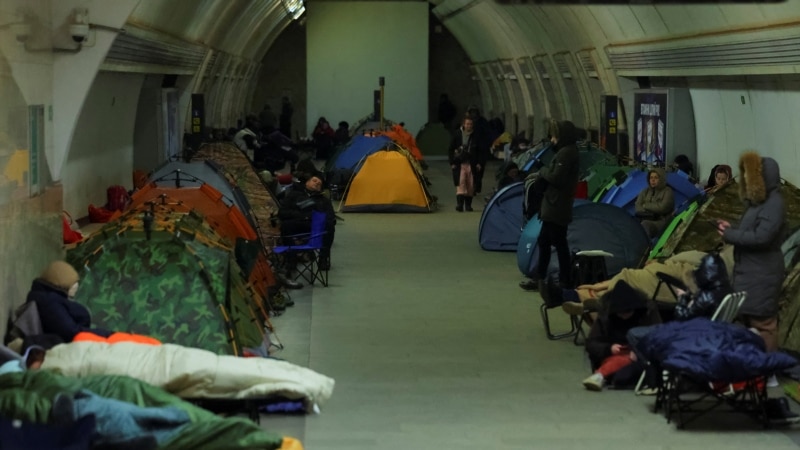
Recent monitoring by Ukraine’s Human Rights Ombudsman, Dmytro Lubinets, revealed that a significant percentage of bomb shelters in the country are inadequate for public safety. Out of over a thousand shelters assessed, 93% exhibited deficiencies, with only 80 meeting safety standards.
Lubinets explained that the inspections focused on shelters listed as accessible to the public in the government app ‘Diia.’ The findings indicated that 993 out of 1,066 shelters received recommendations for improvements. He noted, “80 shelters at the time of the visit were not usable, despite being marked as accessible. A person during an alert would run there only to find locked doors or entirely unusable basements.”
The report highlighted that the most non-functional shelters were located in the Lviv region, as well as in Kyiv, Kyiv Oblast, Zhytomyr Oblast, and Kharkiv Oblast. In total, the Ombudsman’s office issued 3,996 recommendations, averaging 4.5 suggestions per shelter.
These concerns come amid a backdrop of intensified military actions. On June 2, Ukraine faced a massive assault from Russian forces, with the Ukrainian Air Force reporting the launch of 73 missiles and 656 drones. Of these, 40 missiles and 602 drones were intercepted. The primary target of the attack was Kyiv, but other regions, including Dnipro, Kharkiv, and Zaporizhzhia, also suffered strikes.
According to President Volodymyr Zelensky, the assaults resulted in the deaths of 22 individuals, with an additional 130 injured. During the attacks, over 41,000 people, including nearly 4,500 children, were present in the Kyiv metro stations, which served as shelters. All 46 underground stations in Kyiv were operational as shelters, with all entrances open for public access.
A recent assessment of bomb shelters in Ukraine revealed that 93% are inadequate, coinciding with intensified Russian military attacks. The findings underscore significant safety concerns as the country faces ongoing threats.