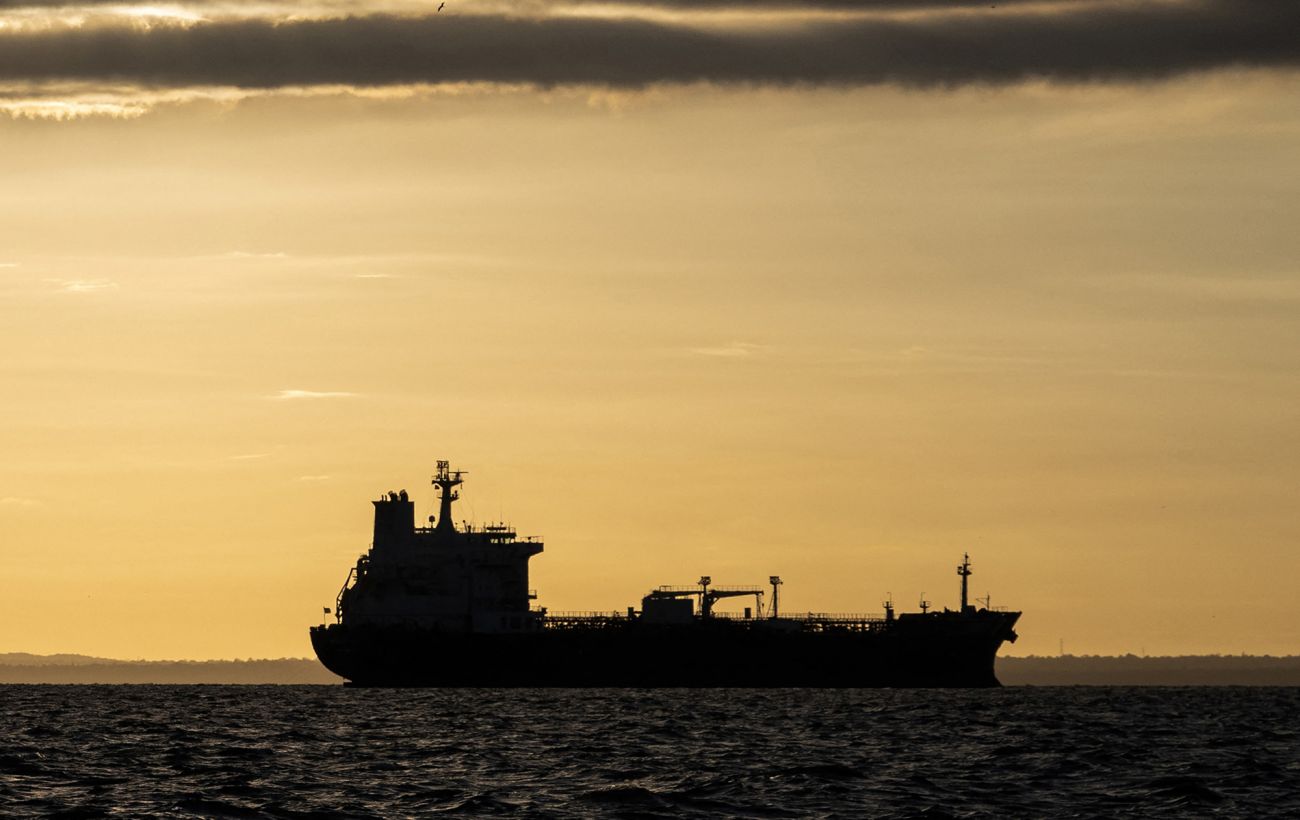
Lawmakers in Germany and France are advocating for enhanced scrutiny and potential detainment of Russian vessels that assist Moscow in circumventing oil sanctions and funding its military operations in Ukraine. This initiative is part of a broader effort to address security and environmental risks posed by these ships.
The proposal, stemming from the Franco-German Parliamentary Assembly, calls for increased diplomatic pressure on nations whose flags are flown by vessels linked to Russia. Support for this initiative has come from various German political factions, including conservatives, social democrats, and the Greens.
According to the document, the Russian shadow fleet presents significant environmental and security threats, primarily due to the aging and poorly maintained condition of many of these vessels. Additionally, some of these ships have been implicated in espionage and sabotage activities.
Jürgen Hardt, a spokesperson for the German conservative bloc on foreign policy, emphasized that Russia’s actions pose a direct threat to critical European infrastructure. Anton Hofreiter, chair of the Bundestag’s Committee on European Affairs, noted that this fleet generates revenue that supports Russian aggression.
Since the onset of the full-scale invasion of Ukraine, Russia has increasingly relied on its shadow fleet to bypass international oil export restrictions. In response, European nations have intensified efforts to combat illegal shipments orchestrated by the Kremlin.
As part of the military operation IRINI, the EU has authorized the interception and boarding of Russian shadow fleet vessels in the Mediterranean Sea if there are reasonable suspicions of violations of international norms or the use of false flags.
In reaction to these measures, Russian officials have discussed radical options to protect their illicit tankers. Nikolai Patrushev, an aide to the Russian leadership, indicated that the country plans to deploy military vessels and mobile fire groups to escort and safeguard its shadow fleet, citing a purported high risk of sabotage.
Moreover, some Russian officials have proposed even more extreme measures. Senator Dmitry Rogozin suggested mining Russian shadow tankers and detonating them if foreign states attempt to detain them. He argued that the threat of a large-scale environmental disaster and oil spills near European shores should deter Western nations from arresting sanctioned vessels.
German and French lawmakers are calling for increased measures against Russian vessels that evade sanctions, emphasizing the security and environmental risks posed by the shadow fleet. The initiative reflects growing concerns over the implications of these vessels for both regional stability and ecological safety.