As of early June, analysts estimate that solar energy has enabled Europe to save €12.8 billion. However, the European Union continues to spend significantly on fossil fuel imports, maintaining a substantial dependence on specific gas suppliers.
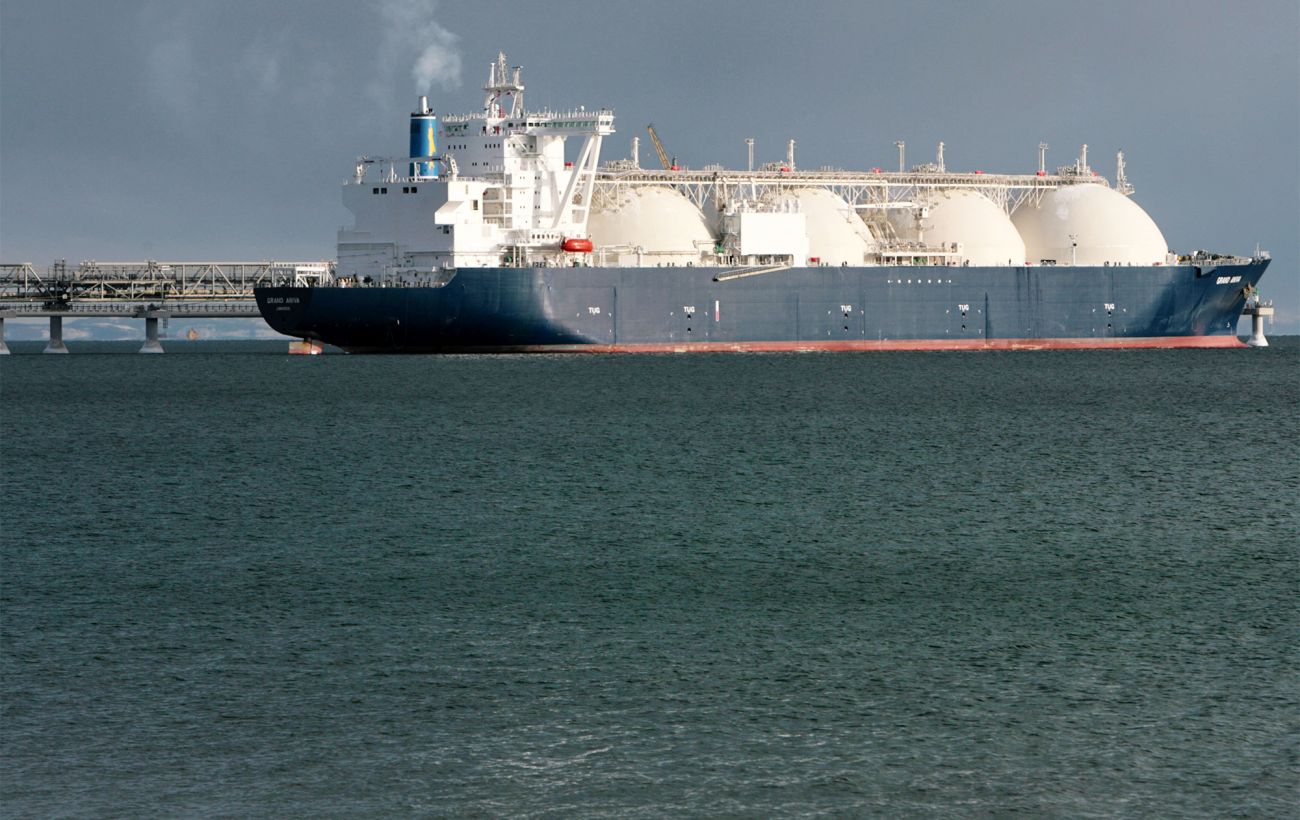
According to a report from the Institute for Energy Economics and Financial Analysis (IEEFA), liquefied natural gas (LNG) imports to the EU decreased by 1.2% since March, while the UK saw a more pronounced decline of 20%.
IEEFA energy analyst Ana Maria Yaller-Makarevich noted that the EU is increasingly recognizing the limitations of its model, which relied on ramping up LNG imports following the energy crisis of 2022.
Despite this, the situation varies across different countries. While some nations are reducing their purchases, others are increasing them. Germany recorded the highest growth in LNG imports, with a 72% increase compared to the same period last year. Italy and Belgium also ramped up their purchases.
Analysts emphasize that following reduced supplies from Qatar due to tensions in the Strait of Hormuz, the EU has turned to other countries for gas. Between March and May, LNG imports from the United States rose by 5%, from Algeria by 11%, from Russia by 25%, and from Norway by 84%.
During this period, the United States accounted for approximately 60% of all LNG imports to the EU.
Previously, IEEFA analysts reported that Russian LNG imports to the EU continue to rise, despite Brussels’ plans to phase out Russian energy sources by 2027. In the first quarter of 2026, EU countries imported 6.9 billion cubic meters of Russian LNG, marking a record high since the onset of the full-scale war.
France, Spain, and Belgium emerged as the largest buyers of Russian LNG. Notably, Russia remains the second-largest supplier of LNG to the EU, following the United States.
The EU's LNG import landscape is evolving, with significant variations among member states. While some countries reduce their reliance on LNG, others, particularly Germany, are increasing imports, notably from the U.S. and Russia.