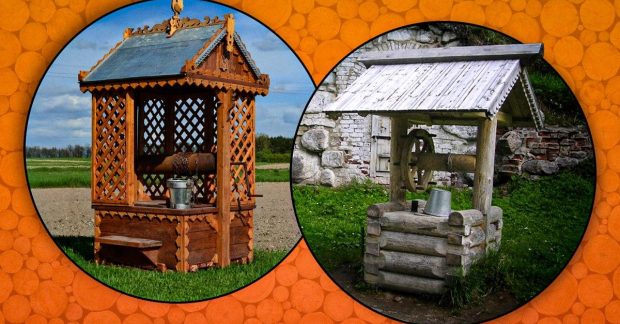
Before starting to dig a well or bore a hole for water, it is crucial to conduct geophysical and hydrogeological studies. These assessments help determine the depth at which water can be found.
Wells and boreholes are constructed based on the proximity of water sources and the specific needs of individuals. Experts have shared insights on how to select the right location for these water supply sources, the regulations involved, and whether permits are necessary.
Serhiy Bahri, a candidate of geological sciences and associate professor at the Ivano-Frankivsk National Technical University of Oil and Gas, explained the differences between a well and a borehole, the potential pitfalls in site selection, the advantages of each water source, and which is more suitable for rural areas.
Understanding the Differences: Well vs. Borehole
A well is a vertical structure, typically a large-diameter shaft that reaches the upper water horizons. They are commonly found in villages and areas where groundwater is relatively high.
The average depth of a well ranges from 5 to 20 meters, although deeper wells of 30 to 40 meters do exist, albeit rarely.
Advantages of Wells:
- Generally less expensive to construct than boreholes.
- Simple to set up and easy to use, as they do not require electricity and can be operated manually with a bucket.
However, wells have drawbacks, such as drawing water from upper aquifers that may contain bacteria, nitrates, and surface runoff. Additionally, water levels can fluctuate seasonally, particularly during dry spells.
Boreholes, on the other hand, are drilled into soil layers and can reach depths ranging from several dozen to over a hundred meters.
Advantages of Boreholes:
- More reliable water supply, as they tap into deeper aquifers with greater reserves, making them suitable for both domestic and agricultural use.
- Lower risk of bacterial contamination.
Nevertheless, boreholes are typically more expensive to install, require piping, and depend on electricity for water extraction via pumps.
If upper aquifers near a home or cottage have sufficient water levels, a well may be the better option. The choice largely depends on water consumption needs: for smaller needs, a well is usually adequate, while larger demands may necessitate a borehole.
Choosing the Right Location for a Well
Before digging a well or borehole, conducting geophysical and hydrogeological surveys is essential to ascertain the water depth.
Without proper geological studies, the likelihood of successfully locating a suitable drilling site is significantly reduced.
Identifying a well site is generally easier since it relies on upper aquifers. In contrast, boreholes require knowledge of the local geology to ensure a successful outcome, with a 90% accuracy rate achievable after thorough research.
Legal Guidelines for Well Construction
Mykola Mosiuk, an associate professor in ecology at the same university, discussed the legal rights of citizens regarding well and borehole construction, the frequency of water testing, potential contaminants, and methods to improve water quality.
What Are the Legal Distances for Well Placement?
In Ukraine, regulations stipulate that wells must be located at least 20 meters from sources of contamination, such as toilets and septic tanks. In sandy soil areas, this distance increases to 30-50 meters due to faster contamination rates.
It is also advisable to place wells above potential contamination sources to prevent polluted runoff during spring thaws and floods.
For nearby structures, maintaining a distance of 3-5 meters is generally recommended, while wells near major roads should be at least 20-30 meters away to avoid contamination from vehicle pollutants.
After digging a well, it is advisable to compact the surrounding area with clay to prevent surface water infiltration.
Water Quality Testing
Water should be tested before its initial use and at least once a year thereafter. Relying solely on sensory indicators like turbidity or odor is insufficient, as harmful substances may not be detectable by these means.
Nitrates and nitrites, which can enter water sources from agricultural runoff, pose significant health risks and do not break down during boiling. Furthermore, microbiological contamination, such as E. coli, and hydrogen sulfide can also affect water quality.
Maintaining Well Water Quality
To enhance water quality, adding hydrated lime can eliminate bacteria and pests. After treatment, the well should be flushed to ensure the water is safe for consumption.
When to Dig a Well
Valentyn Pohorilyi, an architect and member of the National Union of Architects of Ukraine, provided insights on determining water availability on a site, the best times for well digging, and the safety of sealing old wells.
Assessing Water Availability
If there are nearby water bodies, it indicates that water is likely shallow. Conversely, if the site is elevated, the well will need to be deeper, sometimes reaching depths of 30 to 40 meters.
Water flows along specific horizons, and observing these can help identify water presence. The first aquifer often aligns with river and lake levels, while deeper layers may exist at greater depths.
Hydrogeological studies are recommended before well construction to understand the underground situation and determine the necessary depth.
Optimal Timing for Well Digging
The best time to dig a well is late summer to early autumn, before the onset of rains. Spring digging may yield high water levels, but these can drop significantly by autumn.
After digging, it is advisable to continuously draw water for several days to establish a reliable flow and clear any sediment.
Recognizing a Drying Well
A declining water level is the first sign of a well drying up. In such cases, it may be possible to deepen the well. With proper maintenance, wells can last for decades.
Simply filling in a well can lead to soil subsidence, so it is crucial to follow proper procedures for sealing.
Permits for Well and Borehole Construction
Bogdan Bordusenko, a lawyer specializing in civil law, clarified when permits are necessary for borehole drilling.
Is a Permit Required?
Individuals using water from a borehole for personal consumption do not need a permit, as long as the usage does not exceed five cubic meters per day. However, commercial use requires several permits from relevant authorities.
For well construction, no permit is needed, provided the water extraction occurs on private property and adheres to legal limits.
Conflicts may arise regarding water quality if wells are improperly located near contamination sources, making careful site selection essential.
Experts emphasize the importance of conducting geological studies before digging wells or boreholes to ensure water quality and compliance with legal regulations. Understanding the differences between these water sources can help individuals make informed decisions based on their water needs.