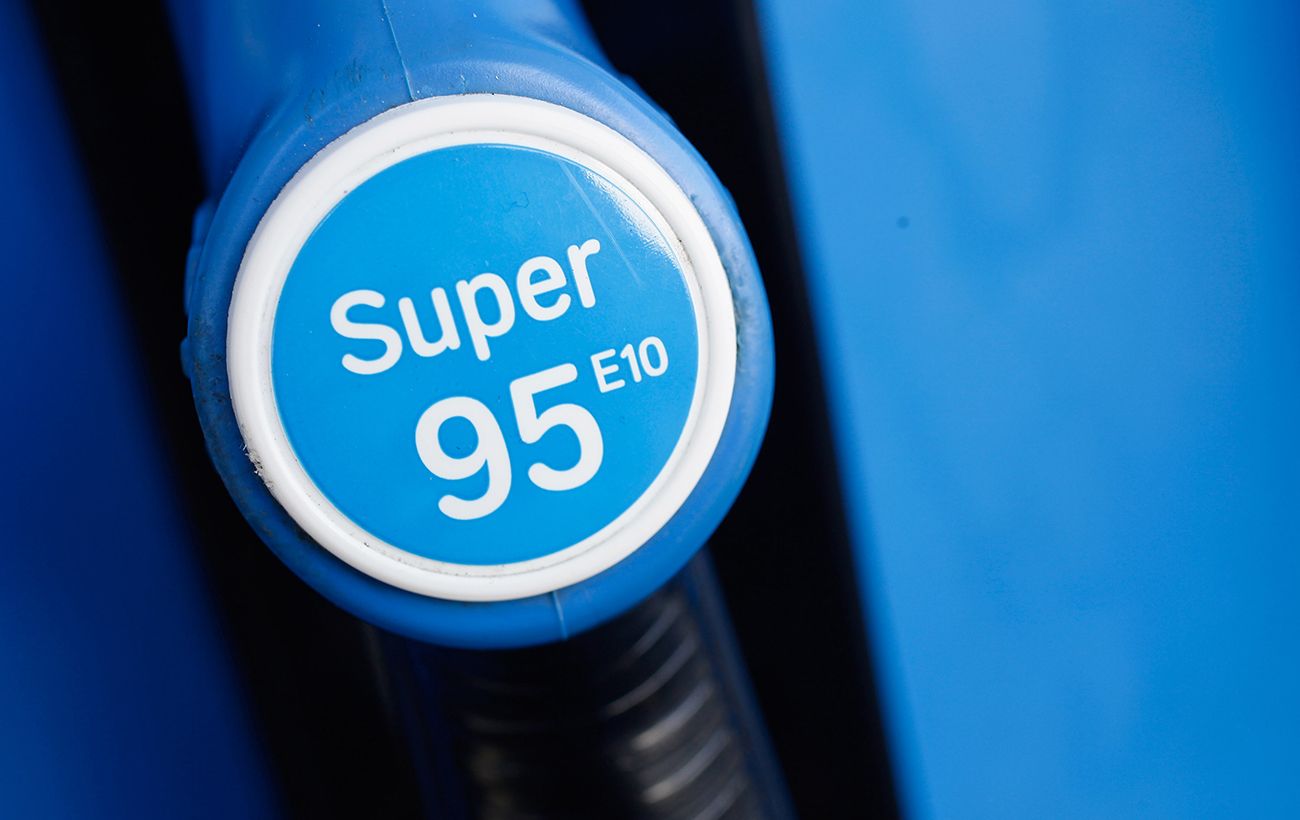
Beginning July 1, Ukraine will introduce a new fuel standard, E10, which mandates the inclusion of up to 10% bioethanol in gasoline. This initiative aims to align Ukraine’s fuel market with European Union standards and facilitate the unification of fuel specifications.
The director of the A-95 Consulting Group, Serhiy Kuyun, provided insights regarding potential price changes, vehicle compatibility, and market adjustments in an interview.
Key Points:
- Price Change: The expected increase in fuel prices will be minimal, estimated at 50-70 kopecks per liter, representing less than 1% of the total cost.
- Market Stability: Over time, prices may stabilize as the market adapts to the new standard.
- Engine Safety: A bioethanol content of up to 10% is considered safe for all vehicles; older models may require only minor adjustments.
- Product Quality: Transitioning to E10 will harmonize Ukrainian fuel with European standards, enhancing its overall quality.
- Logistics: Unification with EU standards will eliminate the need for separate fuel batches for Ukraine, reducing supplier costs.
When asked about the government’s assurance that the addition of bioethanol would not significantly impact fuel prices, Kuyun acknowledged a slight increase. He noted that the average cost increase could range from $15 to $30 per ton compared to standard fuel, translating to approximately 50-70 kopecks per liter. Given that gasoline prices hover around 70-75 UAH, this increase is negligible for consumers. Kuyun expressed confidence that this premium would likely diminish as the market adjusts.
In response to concerns regarding older vehicles, Deputy Minister of Economy Taras Vysotsky stated that vehicles manufactured after 2000 are compatible with E10. Kuyun reassured that the risk of engine or fuel system damage from using bioethanol-blended gasoline is minimal. He explained that a 10% bioethanol content is safe for all engines, as the change primarily involves a shift in composition rather than functionality. The octane-boosting properties of the fuel remain intact, with most vehicles experiencing no significant changes.
When queried about potential new labeling at fuel stations post-July 1, Kuyun indicated that regulatory requirements would need clarification. However, if the fuel meets the new standard, it may not require separate labeling as ‘non-standard.’ He suggested that traditional designations like A-95 might persist, possibly with additional specifications regarding bioethanol content.
Addressing concerns about the chemical differences between bioethanol and gasoline, Kuyun emphasized that the new standard is likely to enhance fuel quality rather than compromise it. Previously, Ukraine utilized the E5 standard, which was not typical for Europe, necessitating the production of separate fuel batches that increased costs. The shift to E10 will standardize the fuel market with that of the EU, resulting in similar products for both regions. This transition is expected to lower costs and eliminate additional price premiums, contributing to market stabilization rather than inflation.
Ukraine's adoption of the E10 fuel standard on July 1 aims to align with EU regulations, introducing a slight price increase while ensuring compatibility and quality improvements across the market.