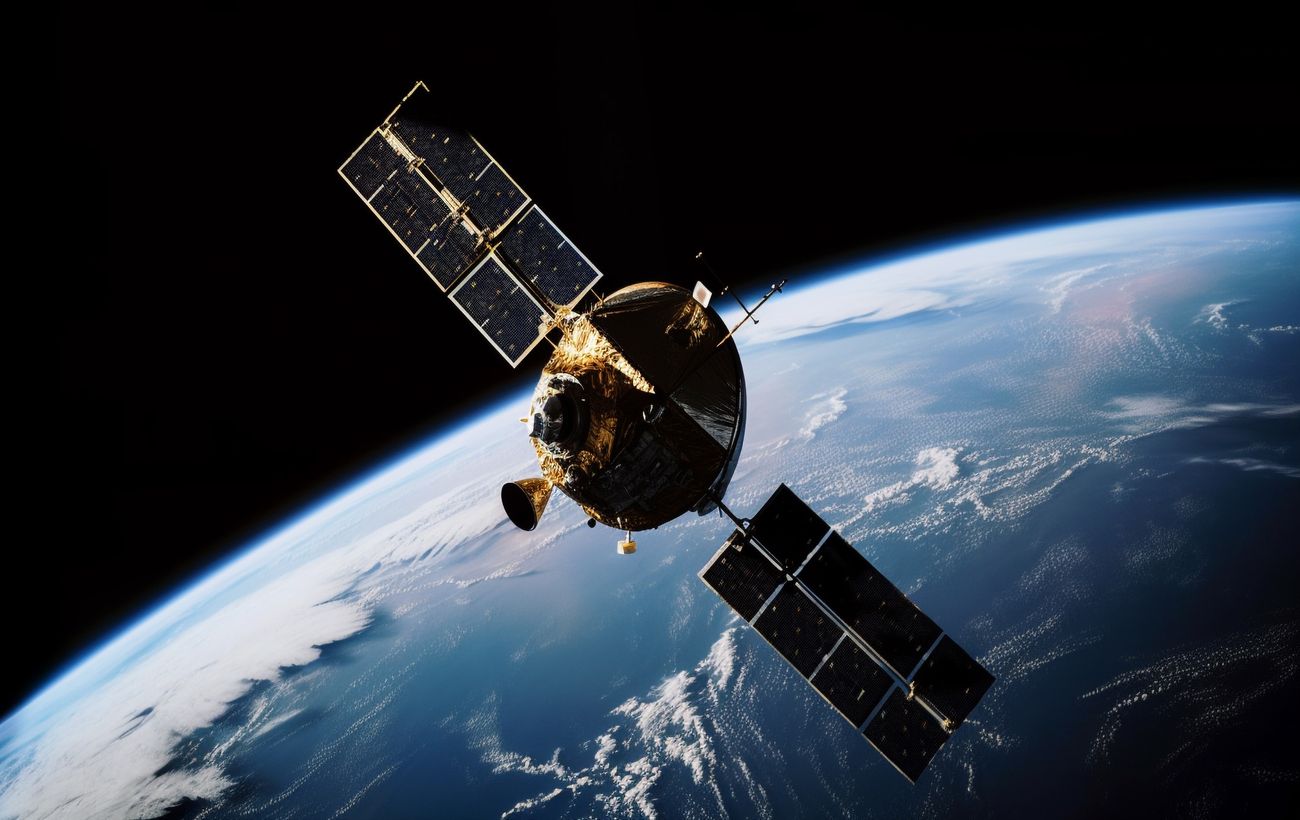
Chinese researchers have unveiled a new artificial intelligence-based surveillance system, known as the Air Target Agent System, designed for autonomous analysis of military targets. This system integrates large language models with satellite technology to facilitate independent operations.
The Air Target Agent System employs a network of autonomous AI agents capable of breaking down complex tasks into manageable steps, selecting appropriate algorithms, and coordinating workflows without human intervention. Unlike traditional image recognition tools, this technology can draw conclusions and make decisions autonomously.
Researchers from the Chinese Academy of Sciences describe the system’s architecture as a “union of brain and a tool army,” with the large language model serving as the central coordinator.
During testing, the satellite system demonstrated several key capabilities:
- Speed of Analysis: The time required to process large datasets from space has been significantly reduced.
- Autonomous Obstacle Navigation: The system can recover from failures and navigate around obstacles in dynamic scenarios without external assistance.
- Self-Targeting: The AI is capable of conducting reconnaissance in real-time and transmitting coordinates for potential strikes.
The introduction of this technology occurs amid ongoing international debates regarding the ethical implications of using AI for military purposes. The United States has faced criticism for its own automated targeting systems, particularly following a February 2026 incident in which an AI-guided strike mistakenly targeted a civilian school, resulting in over 200 child fatalities.
In contrast, Chinese developers assert that their Air Target Agent System is designed to enhance transparency in the use of artificial intelligence. However, analysts caution that reducing human oversight in military operations, as seen in both Chinese and American contexts, could increase the risks of military escalation and catastrophic errors in the future.
Chinese scientists have developed an autonomous AI surveillance system for military use, raising ethical concerns about the implications of reducing human oversight in military operations. The system, designed for independent target analysis, has sparked discussions on the potential risks associated with AI in warfare.