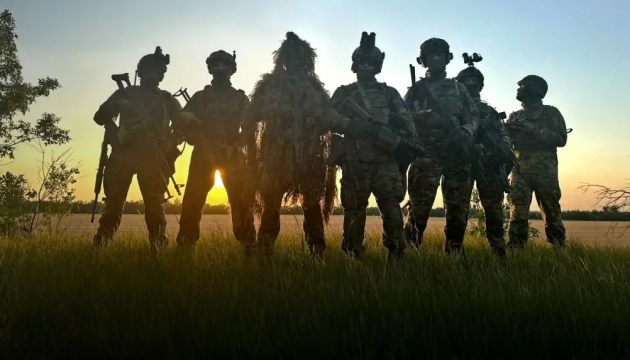
On June 16, 2026, Ukraine’s Defense Forces successfully struck a Moscow oil refinery located approximately 15 kilometers from the Kremlin, marking a significant escalation in the ongoing conflict. This attack coincided with the G7 summit in Évian, where Ukrainian President Volodymyr Zelensky participated in discussions aimed at enhancing security and support for Ukraine.
During the summit, a working session titled “Building Peace and Security for Ukraine and Europe” featured President Zelensky, although no formal statements were issued following the session. G7 leaders agreed to intensify pressure on Russia through sanctions, particularly in the energy sector, and pledged to provide additional air defense resources to Ukraine.
In a series of meetings on the sidelines of the summit, President Zelensky engaged with several key leaders:
- He met with U.S. President Donald Trump, who indicated that Russia should reach an agreement to end hostilities.
- Zelensky discussed air defense enhancements with German Chancellor Friedrich Merz.
- He also spoke with IMF Managing Director Kristalina Georgieva about ongoing cooperation between Ukraine and the IMF.
President Zelensky noted that while Trump responded positively to requests for Patriot missile systems, no final decision was publicly confirmed. Additionally, all G7 nations committed to supporting Ukraine through the upcoming winter.
France pledged to restore the damaged sarcophagus at the Chernobyl Nuclear Power Plant, while Swiss experts will assist in the reconstruction of cultural sites in Kyiv. Zelensky remarked on China’s significant influence over Russia through economic ties but expressed skepticism about Beijing’s willingness to pressure Moscow to end the war.
In an online address during the Reuters Next conference, Zelensky emphasized the unity displayed by G7 leaders regarding Russia’s actions against Ukraine. He called for increased economic and political pressure on Russia, asserting that Ukraine could handle “long-range sanctions” independently.
On the military front, the General Staff of Ukraine’s Armed Forces reported that Ukrainian troops repelled 22 Russian attacks in the Pokrovsk direction, with a total of 73 clashes reported since the start of the day. Zelensky expressed gratitude to the Defense Forces for the successful strike on the Moscow refinery, which is critical for supplying fuel to the Russian capital.
Ukraine’s air defense systems have also been bolstered, with recent tests of a new missile system indicating readiness for deployment. Additionally, Ukrainian forces targeted a Russian military-industrial complex in Tula, damaging a production facility.
In response to drone attacks in Russia’s Krasnodar region, a fuel depot was reported to be on fire, while a railway station in occupied Crimea experienced a fire due to overnight attacks.
The ongoing conflict has resulted in significant casualties. Reports indicate that three individuals were killed in Nikopol due to drone strikes, while the death toll in Kyiv from a recent attack rose to five, with 44 others injured. In Kherson, two fatalities and 16 injuries were reported as a result of Russian shelling.
In the economic sphere, Ukraine’s Finance Ministry successfully raised 4.08 billion hryvnias through a domestic bond auction. Fuel prices have seen a decline, with the average price of gasoline dropping to 75.07 UAH per liter.
As the situation evolves, international partners continue to support Ukraine, with the European Union planning to open five negotiation clusters for Ukraine’s EU membership on July 14. This initiative underscores the ongoing commitment of the international community to assist Ukraine amid the ongoing conflict.
Ukraine's Defense Forces targeted a Moscow oil refinery, coinciding with discussions at the G7 summit where leaders pledged increased support for Ukraine. The conflict continues to escalate, with significant military and civilian casualties reported.
