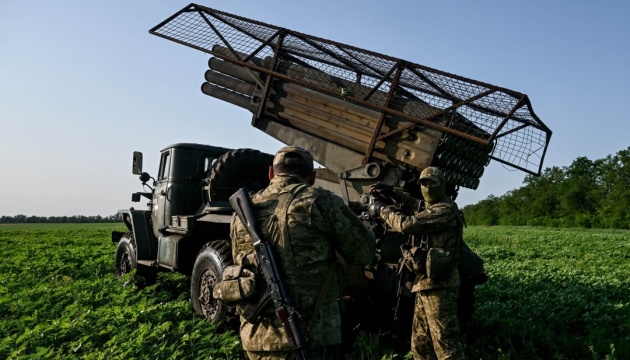
On June 12, 2026, Ukraine’s President Volodymyr Zelensky announced significant reforms to the military service, aiming to enhance the operational capabilities of the armed forces. This initiative includes increased salaries for military personnel and the introduction of new contract types.
The reforms, which are part of the first phase of a broader transformation of Ukraine’s defense forces, will see soldiers receiving salary boosts. Specifically, those in support roles will earn a minimum of 30,000 hryvnias, while frontline infantry members will average around 300,000 hryvnias. Additionally, combat brigades will receive direct funding, enabling them to conduct basic military training independently.
Three new types of contracts are set to be introduced: infantry-assault, combat, and basic contracts. The reform also opens a recruitment market for foreign nationals, with private recruitment firms expected to play a role in this process. Furthermore, a limited ‘return window’ will be established for military personnel in the Special Operations Forces, allowing them to choose their units and commanders.
In related news, the U.S. Senate Armed Services Committee has endorsed continued security assistance for Ukraine, proposing an increase in funding to $750 million. Meanwhile, the International Monetary Fund (IMF) has agreed to release a new tranche of credit to Ukraine, allowing the country to postpone implementing VAT on shipments valued up to 150 euros until July.
On the battlefield, Ukrainian forces conducted successful strikes against two oil refineries, TANEKO and TAIF-NK, located in Tatarstan, as well as the Tolyattikauchuk plant in the Samara region. These operations targeted command posts of Russian troops in temporarily occupied Ukrainian territories, confirming damage and fires at the sites.
Throughout the day, Russian forces launched 69 attacks, primarily in the Gulyaipole direction. Ukrainian defense forces have effectively reduced the number of enemy assaults by targeting Russian logistical routes in the southern region. Due to a shortage of artillery shells, Russian forces have reportedly shifted to using aerial bombs.
Additionally, Ukrainian air defense managed to intercept 102 out of 117 drones that were used in attacks against Ukraine. The situation remains tense, with ongoing threats of ballistic missile launches from the Kapustin Yar testing ground.
As the conflict continues, the humanitarian impact is significant, with an estimated 3.4 million people in Ukraine now living with disabilities due to the war, including 231,000 children. Reports indicate that 486 Ukrainian women, both civilians and military personnel, remain in captivity.
In the economic sphere, damage from recent attacks has been reported, including a drone strike in Zaporizhzhia that affected a logistics terminal and a Russian drone strike in Poltava that caused a fire at an industrial facility. The overall economic outlook is challenging, with the State Statistics Service revising the GDP decline for the first quarter of 2026 from 0.5% to 0.6%.
In a broader context, the situation in Ukraine continues to attract international attention, with ongoing discussions about military support and economic assistance from various countries.
Ukraine's military service reform aims to enhance defense capabilities with increased salaries and new contract types. Concurrently, Ukrainian forces are actively targeting Russian military infrastructure while facing ongoing humanitarian and economic challenges due to the conflict.
