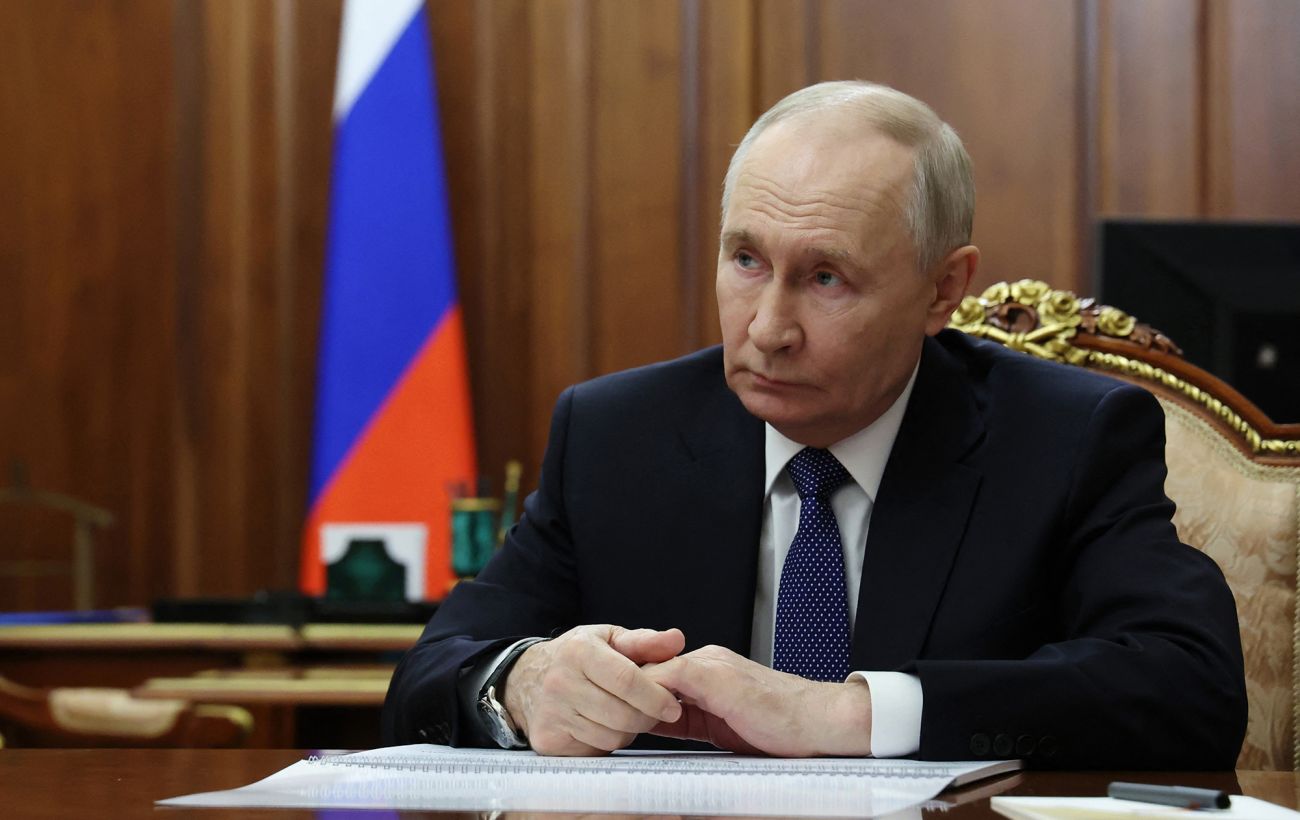
This winter, the Russian military is expected to broaden its target list for extensive strikes against Ukraine, focusing not only on energy facilities but also on railway and water infrastructure, according to analysts.
Following a failed spring offensive that resulted in Russia losing more territory than it gained for the first time in three years, the Kremlin is preparing for a significant winter campaign aimed at causing maximum damage to civilian infrastructure and increasing pressure on Ukrainian society.
“Putin is likely to wait until winter to resume large-scale strikes and create a humanitarian crisis to extract concessions regarding Donbas,” stated Maria Snegovaya, a senior fellow at CSIS.
Snegovaya noted that the upcoming strikes could be even more extensive than last winter, when Russia launched record numbers of drones and missiles targeting critical infrastructure.
Analyst Kateryna Stepanenko from ISW predicts that the Kremlin will expand its target list. In addition to energy facilities, strikes will focus on:
- Ukrainian railways to disrupt supply lines;
- Water infrastructure.
Snegovaya, who recently returned from Ukraine, emphasized that fear of a harsh winter is a central concern for many Ukrainians, and Putin aims to exploit this in a desperate attempt to navigate the current situation.
Meanwhile, Russia’s economy is facing severe challenges. The Russian Ministry of Finance reported that the federal budget deficit for the first five months of 2026 reached $81.4 billion, doubling the deficit from the same period last year. Government spending increased by 17%, while revenues from oil and gas plummeted by nearly 30%.
Additionally, Russia’s gold reserves fell by 5.7 tons in April, marking the largest decline in a quarter-century.
“Russia’s gold reserves are depleting, there is a labor shortage in the civilian market, and the economy has suffered significant blows,” Stepanenko remarked.
Recruitment efforts in Russia have also slowed, with the number of contract soldiers falling to around 30,000 per month in May—less than the military’s losses during the same period. In response, the Kremlin has started targeting university students for enlistment.
According to Australian ABC news, university rectors are offering to waive tuition fees and erase poor grades for students who sign contracts. In April, the Kremlin set a 2% recruitment quota for male students at universities.
In leaked recordings, a director of a transport college in Siberia criticized 18-year-old students as “cowards” for refusing to go to war.
“What are you afraid of? Who scared you? Who will protect us?” she expressed in frustration to her class.
Stepanenko noted that Russia is offering new recruits around $140,000 for signing contracts, further exacerbating the country’s economic troubles.
Experts warn that the Kremlin may use Telegram blockades and internet restrictions to implement unpopular decisions without facing mass protests.
“We might see mobilization, reductions in compensation for recruits and veterans, and possibly even the nationalization of assets from Moscow’s elite to fund the war,” Stepanenko added.
Russia is reportedly planning a winter campaign against Ukraine, targeting infrastructure to create a humanitarian crisis. Concurrently, the Kremlin faces economic challenges and recruitment issues, prompting new strategies to enlist soldiers.