In the early hours of May 6, Russian forces conducted a significant aerial assault on Ukraine, deploying a total of 108 drones alongside various types of missiles. Ukrainian air defense units successfully intercepted a majority of these threats.
The attack included the launch of two Iskander-M ballistic missiles from Russia’s Rostov region, one Kh-31 guided missile from the airspace over Kursk, and 108 strike drones, including models such as Shahed, Gerbera, Italmas, and imitation drones known as Parody. These were launched from multiple locations, including Bryansk, Kursk, Millerovo, and occupied territories in Donetsk and Crimea.
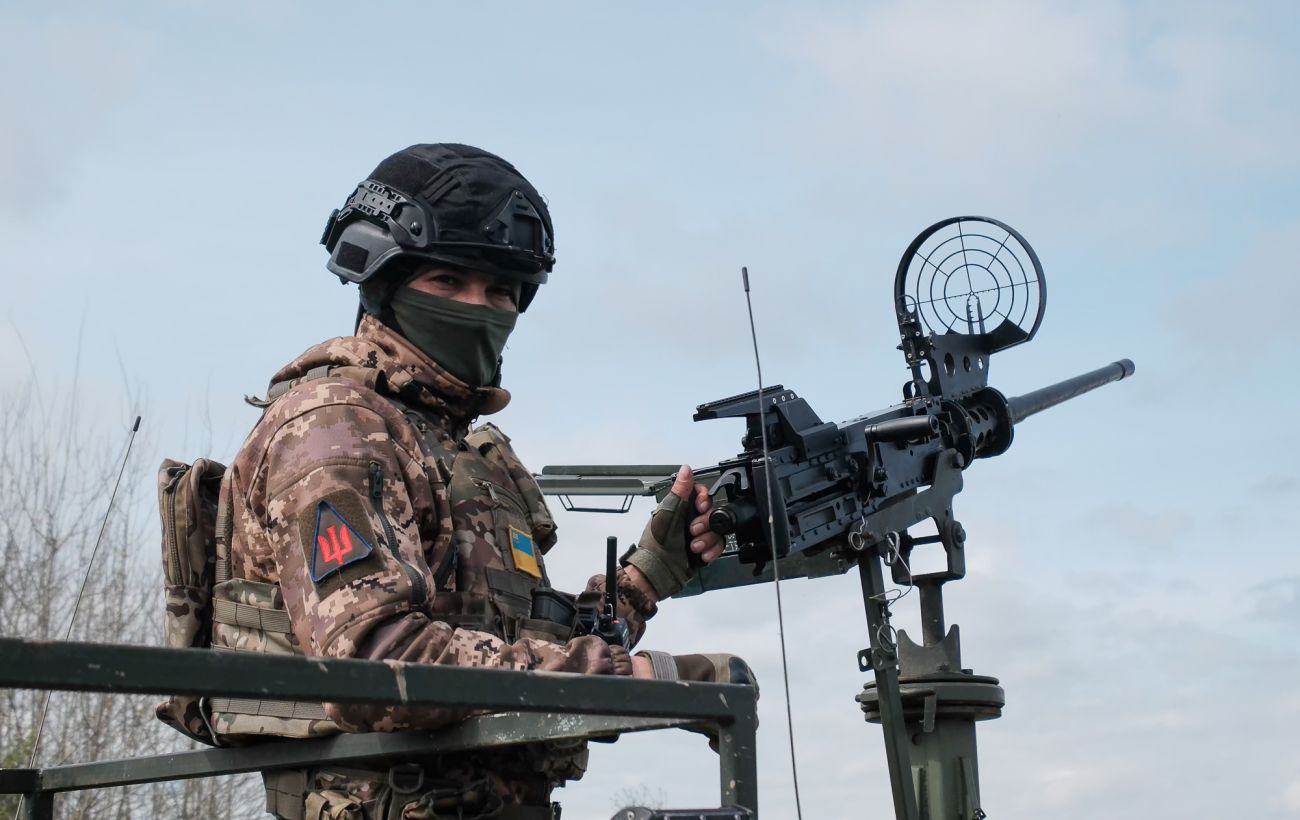
Ukrainian defense forces employed a combination of aviation, anti-aircraft missile systems, electronic warfare units, and mobile fire groups to counter the assault. By 8:00 AM, preliminary reports indicated that air defense systems had downed or suppressed 89 enemy drones, primarily in northern and eastern regions of the country.
Despite these defensive efforts, there were confirmed hits from two ballistic missiles, one guided missile, and nine strike drones across eight locations, with debris from intercepted drones landing in one area.
“The attack is ongoing, with several enemy drones still in the airspace. Please adhere to safety protocols!” – Ukrainian Air Forces.
On the morning of May 6, Russian troops targeted several Ukrainian cities, violating a ceasefire proposed by President Volodymyr Zelensky. Shortly after the ceasefire began, an explosion was reported in Dnipro, although enemy targets were minimally recorded at that time.
As dawn approached, enemy attacks intensified, with military reports noting drone activity and the launch of guided aerial bombs. Cities such as Kharkiv and Zaporizhzhia were among those affected, with confirmed damage to residential buildings in Kharkiv and an industrial infrastructure site in Zaporizhzhia.
On May 6, Russia launched a large-scale drone and missile attack on Ukraine, resulting in significant defensive actions by Ukrainian forces. Despite high interception rates, cities like Kharkiv and Zaporizhzhia experienced damage and casualties.