Military assistance to Ukraine remains robust, with a notable shift towards drone technology. However, financial and humanitarian aid has significantly decreased in the first four months of 2026.
In March and April 2026, Germany allocated €4.2 billion for military support, primarily for air defense and drones. The United Kingdom contributed €1.3 billion, while Norway provided an additional €600 million.
The largest financial aid package came from Japan, which released €1.1 billion as part of the second tranche of the ERA credit mechanism, funded by frozen Russian assets.
Data indicates a growing disparity between military and non-military support. From January to April 2026, European military allocations averaged €2 billion per month in real terms, still below the 2025 monthly average of €2.4 billion but significantly higher than levels seen between 2022 and 2024.
Conversely, financial and humanitarian assistance has sharply declined. During the same period, Europe averaged €500 million per month in real terms for these types of aid, less than one-fifth of the average for 2025.
Data visualization illustrates the changes in aid from the U.S. and Europe. (Image: Kiel Institute)
“Europe has maintained the momentum of its enhanced military support for Ukraine in 2026,” stated Christoph Trebesch, head of the Ukraine Support Tracker. “At the same time, financial and humanitarian aid has drastically decreased, primarily due to the EU’s €90 billion loan being blocked for several months before receiving official approval in April. The key question now is how quickly European commitments will translate into new aid volumes.”
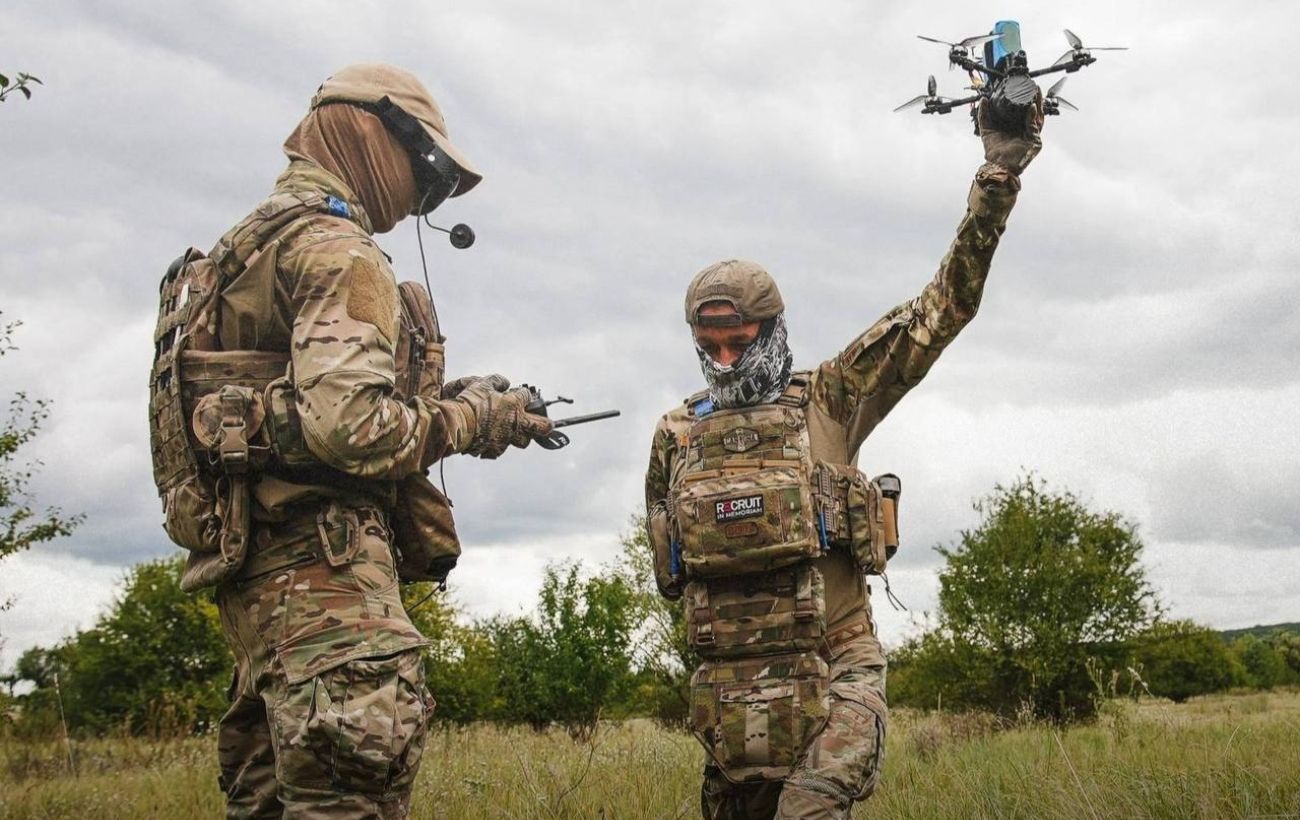
The funding for drones has surged in March and April 2026. The UK provided at least 120,000 drones, marking the largest single distribution of aid ever recorded. Germany and Norway each allocated approximately €500 million for drone purchases, while the Netherlands contributed around €250 million.
The significance of drones in European military assistance has escalated dramatically over the past few years. Confirmed bilateral military aid for drones rose from €400 million in 2022 to €1 billion in 2024, then to €1.2 billion in 2025, and sharply increased to about €1.6 billion within the first four months of 2026.
These figures only account for funds directly attributed to European donors, suggesting the actual total may be even higher, according to researchers.
“European donors are now actively involved in large-scale funding and production of drones,” Trebesch noted. “As a result, support for Ukraine is increasingly becoming a bilateral exchange: financial aid flows to Ukraine, while technological advancements return to Europe.”
Military assistance to Ukraine has intensified, particularly in drone technology, while financial and humanitarian aid has sharply declined. Recent data highlights the evolving dynamics of support from European nations, with significant contributions aimed at enhancing military capabilities.