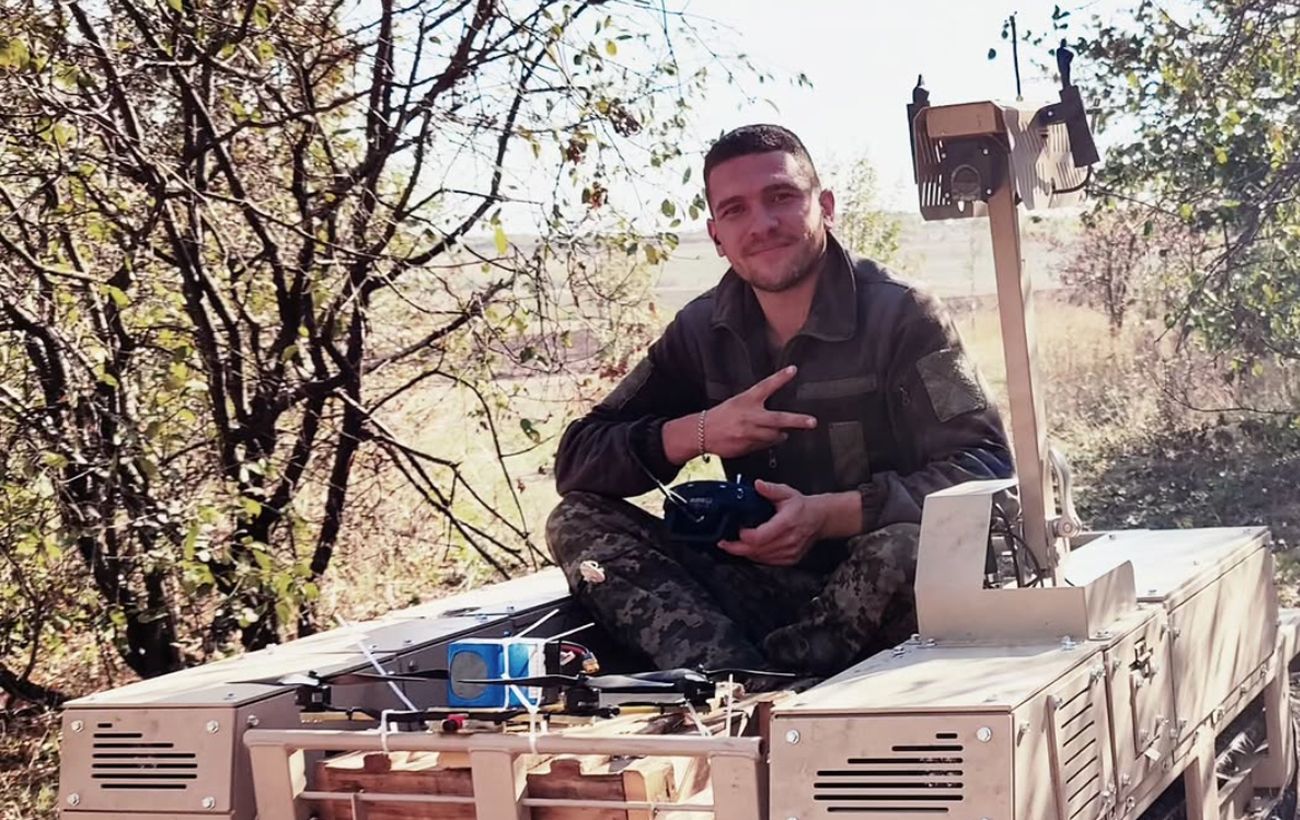
A commander in the 32nd Steel Mechanized Brigade, known by the call sign “Witcher,” has spearheaded the integration of robotic systems into military operations, aiming to reduce casualties among soldiers. Recognizing the high risk faced by infantry, he initiated the use of robotic platforms to perform dangerous tasks traditionally assigned to human fighters.
Since the inception of this initiative, the unit has successfully completed over 500 missions utilizing these robots, significantly altering the dynamics of frontline engagements. The primary goal remains clear: to save lives.
Key Objectives:
- Life Preservation: The introduction of robotic systems aims to replace soldiers in high-risk areas, minimizing exposure to enemy fire.
- Unit Expansion: Starting with just six personnel, the unit has grown to a full company, executing hundreds of missions and saving 38 lives by losing robots instead of soldiers.
- Technological Adaptation: Soldiers are actively modifying existing robotic platforms to enhance their capabilities, addressing the rapid obsolescence of technology.
- Extreme Recovery Operations: Crews have developed techniques to recover damaged robots under fire, demonstrating ingenuity and bravery.
- Versatile Applications: The robots are employed for various tasks, including logistics, mine clearance, and even emergency medical evacuations.
- New Skillsets: Former medics and artillerymen are now operating these robotic systems, showcasing adaptability in the face of war.
- Future of Robotics: The ongoing question remains: can these robotic systems fully replace human soldiers in frontline roles?
The journey began with a simple realization for “Witcher”: “We need to save our guys’ lives.” As a trained officer with a background in chemical, biological, and radiological defense, he understood the stakes of modern warfare. His experiences on the battlefield revealed the harsh reality that many soldiers, especially flamethrower operators, often did not return from missions.
“Even with perfect planning, survival odds are precarious,” he recalled. This prompted him to seek alternatives, leading to the acquisition of the “Krampus” robotic platforms. After extensive outreach and networking, he finally secured the technology needed for his brigade.
Upon receiving the first robotic units, the unit quickly became a trailblazer in military robotics, as official supply chains had yet to deliver similar technology to the front lines. The initial robots were raw and untested, but through collaboration with engineers, the team began rigorous testing and modifications to meet battlefield requirements.
“We lost several robots, but our personnel remained safe,” he stated, reflecting on the success of this initiative. The unit has faced challenges, including the need for continuous upgrades to keep pace with evolving threats and technology.
Recovery operations for damaged robots have become a critical aspect of their missions. The enemy has recognized the value of these robotic systems and often sets ambushes to capture or destroy them. “Evacuating a robot can be perilous, but our teams have shown remarkable courage and resourcefulness in these situations,” “Witcher” explained.
Today, the robotic units perform a wide range of tasks, from logistical support to combat operations. They are equipped with various tools, including AI modules for intercepting enemy drones, showcasing the potential for automation in warfare.
However, the rapid evolution of technology presents ongoing challenges. “The demand for robotic systems is immense, and we must continually adapt and innovate to stay ahead,” he noted. The unit is actively seeking skilled personnel to operate and maintain these systems, emphasizing the importance of training and development.
Looking ahead, “Witcher” envisions a future where robotic systems play an even larger role in combat, potentially reducing the need for human soldiers on the front lines. “The goal is to create a safer environment for our troops while leveraging technology to enhance our operational capabilities,” he concluded.
As the conflict continues, the integration of robotics into military strategy represents a significant shift in how warfare is conducted, with the potential to save countless lives.
The integration of robotic systems into the Ukrainian military, led by an officer known as 'Witcher,' aims to reduce soldier casualties on the battlefield. With over 500 successful missions completed, the initiative showcases the evolving role of technology in warfare and the potential for a future where robots play a crucial role in combat operations.