A newly released report from an independent pan-European commission on climate and health, convened by the World Health Organization (WHO), has declared the climate crisis a global health emergency. The experts concluded that the severity of the threat meets the criteria for a Public Health Emergency of International Concern (PHEIC), a designation previously applied to the COVID-19 pandemic and Mpox outbreaks.
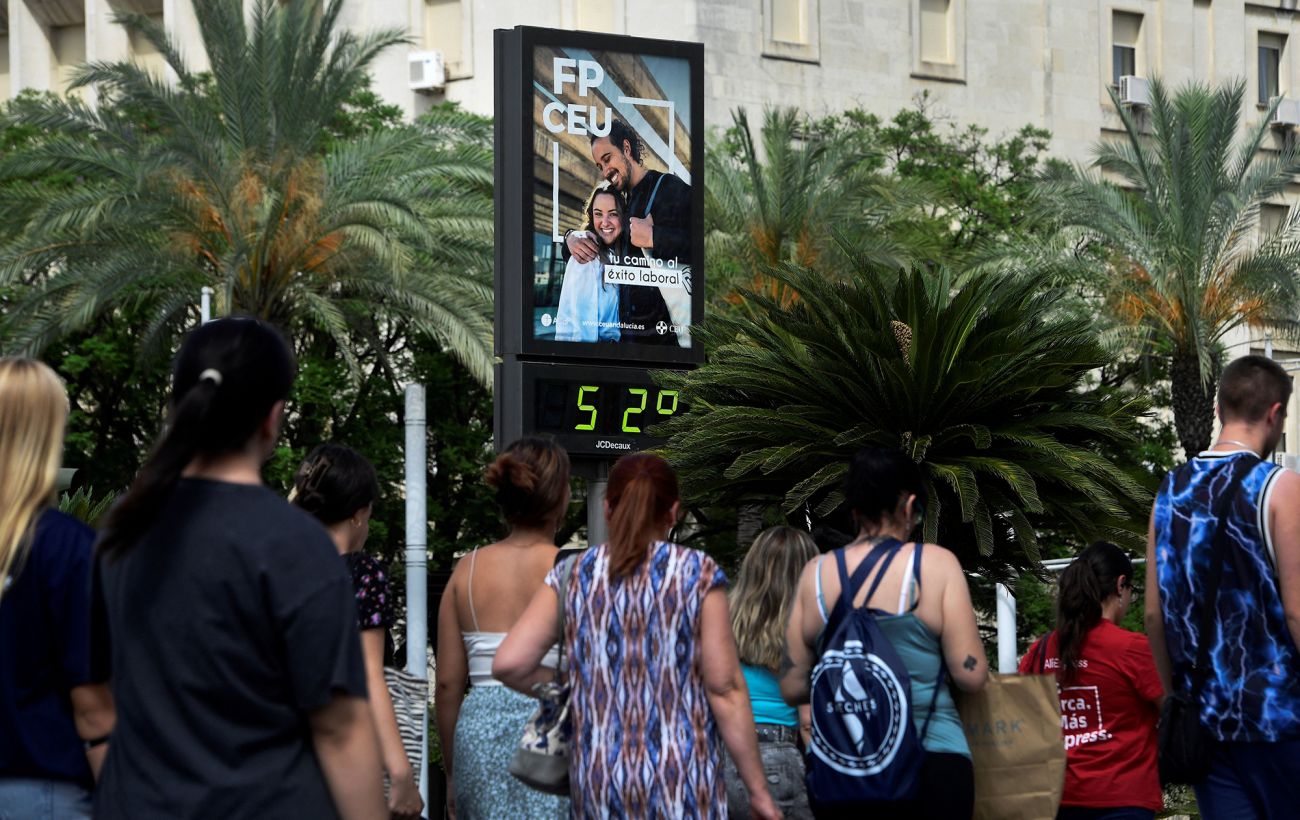
The report emphasizes that the climate crisis is directly impacting human health through extreme heat waves, flooding, wildfires, air pollution, food insecurity, and the spread of infectious diseases such as dengue and chikungunya.
Katrín Jakobsdóttir, former Prime Minister of Iceland and head of the commission, stated that climate change poses a significant threat to humanity’s survival. “The climate crisis may not be a pandemic, but it is still a public health emergency that jeopardizes health and survival. If we do not act more swiftly and comprehensively, millions more could die or face life-altering illnesses,” she warned.
Andrew Haynes, a professor at the London School of Hygiene and Tropical Medicine and the commission’s chief scientific advisor, noted that while the WHO has recognized climate change as a serious threat, it is now time for decisive action. “If we continue to emit greenhouse gases at current levels, we will exacerbate health risks for both current and future generations,” he added.
The report also calls on governments to stop subsidizing fossil fuels. According to the commission, such policies are linked to approximately 600,000 premature deaths annually in Europe alone. It estimates that European countries spend around €444 billion each year to support the oil and gas sectors. In 12 countries, these expenditures exceed 10% of national health budgets, and in four countries, they surpass total healthcare budgets.
Jakobsdóttir criticized this approach, stating, “This is not a sustainable energy policy; it is a failure in health care.” She also cautioned that new subsidies for fossil fuels and plans by some nations to expand oil and gas extraction in response to the crisis surrounding Iran could have “catastrophic consequences” for public health.
Hans Kluge, the WHO Regional Director for Europe, supported the commission’s recommendations, asserting that the climate crisis has long ceased to be merely an environmental issue. He pointed out that the war in Ukraine and conflicts in the Middle East have highlighted how dependence on fossil fuels affects health systems, food supply, and societal stability.
“The arguments for immediate climate action extend beyond environmental considerations. They encompass security, health, and economic issues, and represent a moral imperative,” Kluge stated.
A WHO commission has declared the climate crisis a global health emergency, linking it to severe health risks and urging governments to end fossil fuel subsidies. Experts warn that failure to act could lead to millions of premature deaths and worsening health conditions.