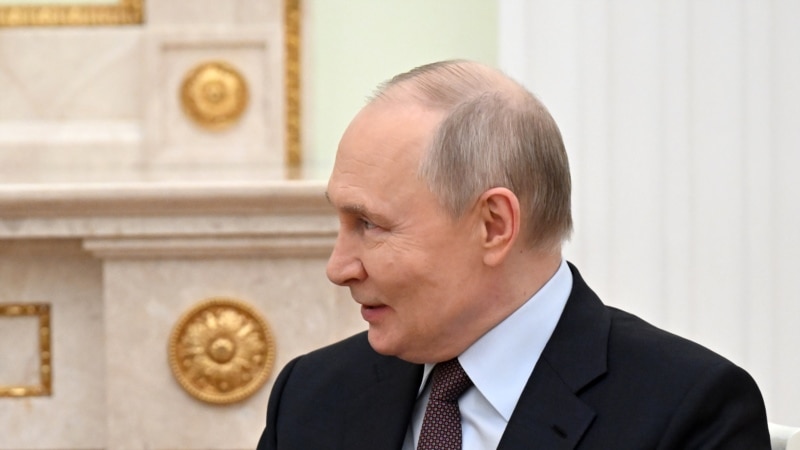
Recent assessments from the U.S.-based Institute for the Study of War (ISW) indicate that Russian President Vladimir Putin’s claims of positive economic indicators are overshadowed by a growing reliance on military expenditures and state funding. On May 15, Putin asserted that the government’s economic measures were yielding “modest but positive results,” citing increases in wholesale trade, retail, industrial production, and GDP for March 2026.
However, analysts highlight discrepancies in these claims. The Russian Ministry of Economic Development reported a year-on-year contraction in GDP for January and February 2026, with the growth forecast for the year revised down from 1.3% to 0.4%. This suggests a more complex economic reality than the government presents.
Furthermore, the Ukrainian Foreign Intelligence Service has revealed that Russia’s budget deficit reached $78.4 billion in the first four months of 2026, significantly exceeding the planned annual deficit. This increase in expenditures, which rose by 15.7% compared to the same period in 2025, is primarily attributed to war funding, social programs, and support for various economic sectors.
To counterbalance rising costs, Moscow has resorted to tax increases and domestic borrowing. Notably, the value-added tax (VAT) was raised in January 2026. Reports indicate that approximately 209,000 small and medium-sized enterprises closed in Russia during the first quarter of 2026, reflecting the strain on the economy.
Regional budgets are also under pressure due to increased military recruitment expenses. According to the opposition publication “Important Stories,” regional authorities have more than doubled their spending on recruiter payments and bonuses for contract soldiers.
ISW analysts argue that the low unemployment rate, often touted by the Kremlin as a sign of stability, actually highlights a severe labor shortage exacerbated by the ongoing conflict in Ukraine. Substantial military payments are driving consumption and contributing to inflationary pressures.
In a related development, Ukrainian President Volodymyr Zelensky has warned of potential Russian strikes targeting decision-making centers in Kyiv. Zelensky stated that Ukrainian intelligence has obtained documents outlining plans for attacks on approximately 20 political and military sites in and around the capital.
ISW cautions that any easing of sanctions against Russia, particularly in light of reduced missile supplies to Ukraine’s Patriot systems, could significantly heighten the threat of Russian missile strikes. Despite existing restrictions, Ukrainian authorities report that Russia continues to produce cruise missiles using Western components.
According to the Financial Times, international forecasts align with predictions from the Central Bank of Russia, which anticipates inflation will slow to around 5% by the end of 2026. During an economic meeting on April 15, Putin demanded explanations from the government and the Central Bank regarding the lagging macroeconomic indicators, attributing the recent GDP decline to “seasonal factors.”
An analysis reveals that Russia's economic claims under President Putin are contradicted by rising military expenditures and a significant budget deficit. Reports indicate a contraction in GDP and a severe labor shortage, complicating the overall economic landscape.