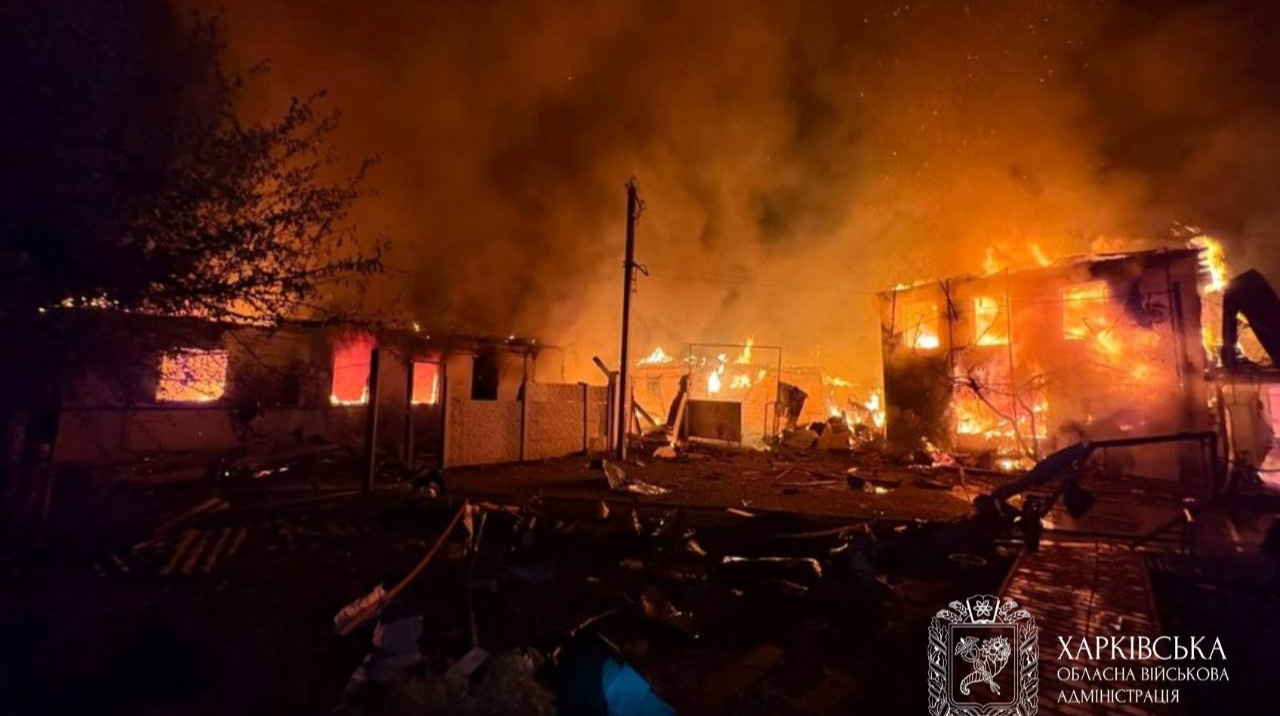
The conflict in Ukraine continues to evolve, marked by significant military engagements and geopolitical ramifications. Recent developments highlight the ongoing challenges faced by Ukrainian forces as they navigate both domestic and international pressures.
In the eastern regions of Ukraine, particularly in Donetsk and Luhansk, fighting has intensified. Ukrainian military officials report increased assaults by Russian troops, aiming to secure territory and disrupt Ukrainian defenses. This escalation comes amid ongoing efforts by Ukraine to reclaim areas lost since the conflict began in 2014.
Internationally, the situation has prompted a response from various countries, with many reaffirming their support for Ukraine. Military aid, including advanced weaponry and training, has been pledged by NATO allies, reflecting a commitment to assist Ukraine in its defense efforts. However, the sustainability of this support remains a concern as geopolitical dynamics shift.
Furthermore, the humanitarian impact of the conflict is profound. Thousands of civilians have been displaced, and access to essential services has been severely compromised in conflict-affected areas. Organizations working on the ground report urgent needs for food, shelter, and medical assistance as winter approaches.
As the conflict continues, the implications for regional stability and international relations are significant. Analysts emphasize the importance of diplomatic efforts to reach a resolution, although the path to peace remains fraught with challenges. The situation in Ukraine serves as a focal point for broader discussions about security and sovereignty in Europe.
The ongoing conflict in Ukraine is marked by intensified fighting in the east and significant international responses. As military engagements escalate, the humanitarian impact deepens, raising concerns about regional stability and the need for diplomatic resolutions.