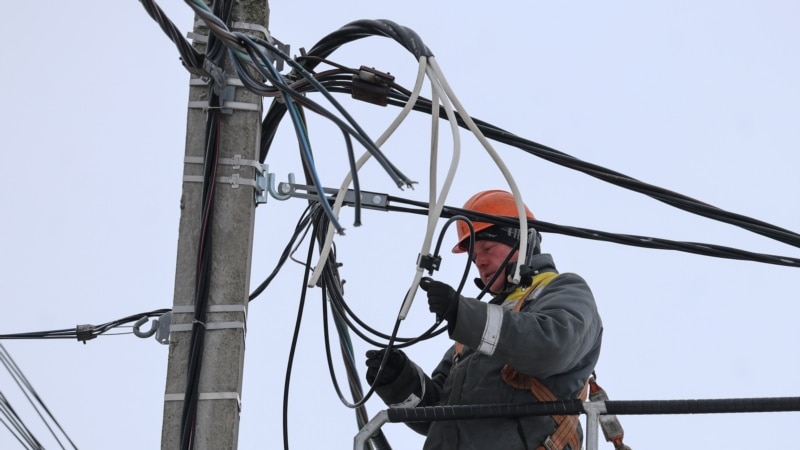
On June 7, Russian military forces launched two attacks on a DTEK coal mine located in the Donetsk region of Ukraine. The company’s press service reported that one worker was injured due to a drone strike near the mine.
DTEK officials stated that another attack damaged the mine’s life-support systems, prompting ongoing restoration efforts. This incident marks the third assault on the facility within a short span of time.
In a tragic development, a mine worker named Yuriy Filippov lost his life in a drone strike while commuting to work the day before the attacks on the mine.
Russian military operations have increasingly targeted Ukrainian cities and critical infrastructure using various weaponry, including drones, missiles, and multiple rocket launchers. Such actions have raised significant concerns among Ukrainian authorities and international organizations, which classify these strikes as war crimes.
Officials emphasize that the attacks are deliberate, particularly those aimed at essential services such as electricity, heating, water supply, and medical facilities. These actions are viewed as indicative of genocidal intent against the Ukrainian population.
In contrast, Russian leadership denies that its military is intentionally striking civilian infrastructure, asserting that such claims are unfounded. Nonetheless, the ongoing assaults have resulted in widespread destruction of hospitals, schools, and energy facilities across Ukraine.
Recent attacks by Russian forces on a DTEK coal mine in Donetsk highlight the ongoing violence in Ukraine, with significant implications for civilian safety and infrastructure. The targeting of essential services has raised concerns of war crimes and genocidal actions against the Ukrainian population.