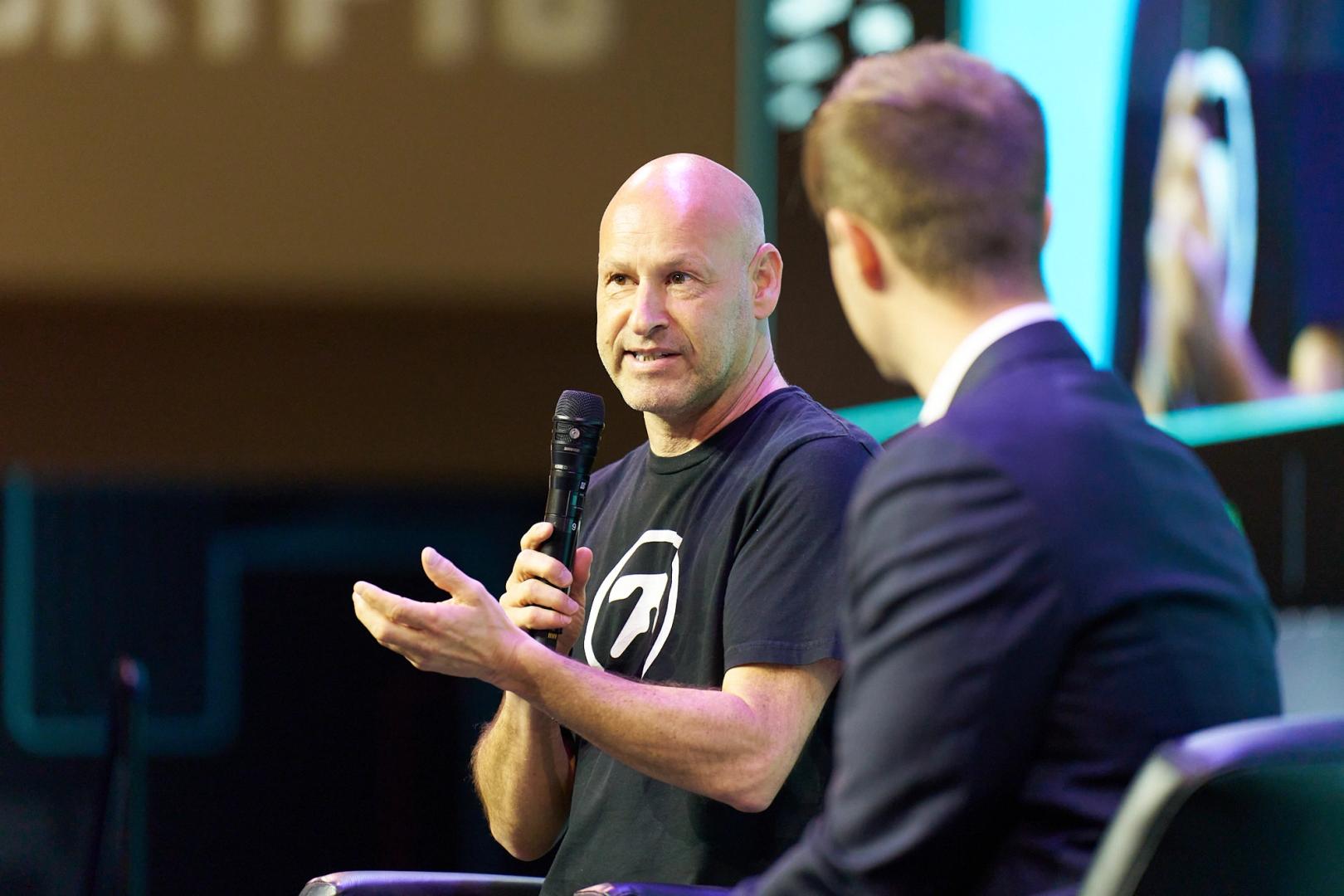
Joe Lubin, CEO of Consensys and a co-founder of Ethereum, has addressed recent criticisms surrounding the Ethereum Foundation, emphasizing the need for a more focused role in managing the network’s core technology. His comments come in light of budget cuts and staff departures that have sparked debate within the blockchain community.
Speaking with CoinDesk, Lubin asserted that the foundation should concentrate on stewarding Ethereum’s essential values and technology, while other organizations take charge of adoption and ecosystem growth. He stated, “It is important that the Ethereum Foundation be credibly neutral above reproach,” highlighting the potential conflicts of interest that could arise if the foundation were to intertwine business operations with protocol stewardship.
Critics have voiced concerns about the foundation’s pace in addressing competitive challenges and enhancing Ethereum’s market standing. Lubin, however, believes that these worries stem from a misunderstanding of the foundation’s intended role. He noted that the Ethereum network processes approximately 2 million transactions daily, according to Etherscan data, and that the current restructuring is aimed at clarifying the foundation’s responsibilities.
Lubin emphasized that the future of Ethereum will involve multiple organizations playing significant roles, rather than relying on a single dominant entity. He remarked, “I think it’ll be clear that there’ll be a handful of major nodes that are stewards of the Ethereum ecosystem and leading in different niches or different specialties in the Ethereum ecosystem.” This approach contrasts with other blockchain models where protocol development and commercial strategies are often combined.
Countering the narrative of Ethereum’s decline, Lubin stated, “Ethereum is not on the decline, not at all.” He acknowledged, however, that the crypto industry faces new competition from artificial intelligence, which has recently captured more attention and investment. Lubin reflected on the changing landscape, saying, “We were the cool kids, the edgy bringers of the new excitement in the economy and society. We are not front and center right now in terms of capital inflows, investments.”
Despite these challenges, Lubin remains optimistic about Ethereum’s future, particularly regarding its scaling infrastructure. He pointed to emerging trends, such as autonomous AI agents conducting transactions on-chain and increasing institutional utilization of Ethereum-based systems. He described this as a precursor to a significant shift towards what he calls “agentic commerce,” where a hybrid human-machine economy will leverage Ethereum’s capabilities.
According to Lubin, the Ethereum Foundation’s decision to narrow its focus is crucial for supporting these new developments. As other organizations take on responsibilities for commercialization and adoption, the foundation’s primary aim will be to ensure that the protocol can accommodate the next wave of innovative activities.
Joe Lubin, CEO of Consensys, has defended the Ethereum Foundation amid criticism over leadership changes and budget cuts, advocating for a more focused role in managing the network's core technology. He emphasizes the importance of neutrality and the need for multiple organizations to shape Ethereum's future, while addressing concerns about competition from artificial intelligence.
Source: CoinDesk