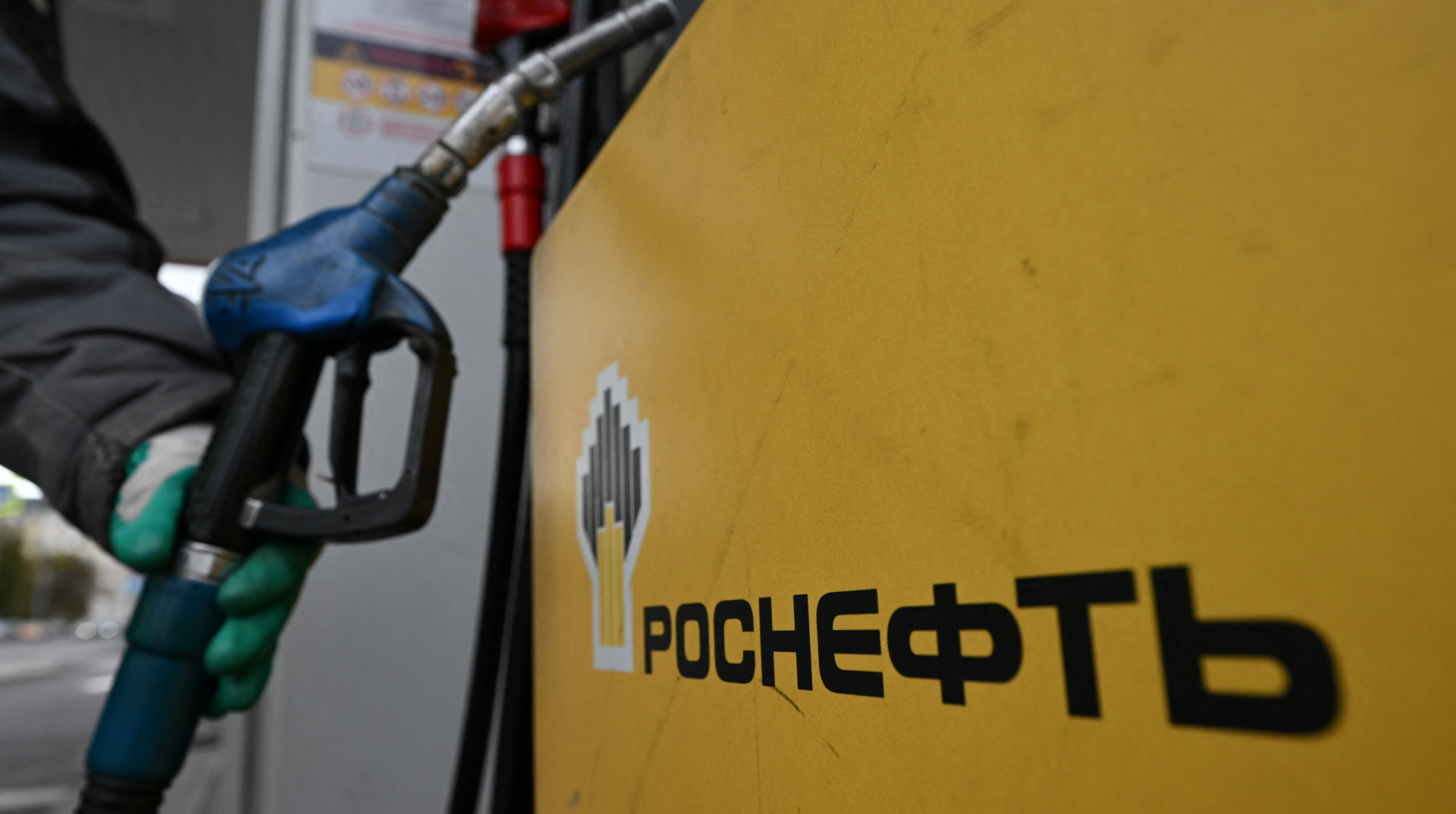
Fuel sales have been restricted at gas stations in the Belgorod and Kursk regions of Russia, as well as in the temporarily occupied Luhansk area. Reports indicate that several stations operated by Rosneft in Belgorod have ceased allowing customers to fill canisters with AI-92 gasoline.
The restrictions are attributed to an “internal ban” enforced by Rosneft’s network of gas stations. Local residents have noted that stations are also refusing to fill vehicles to capacity. Maxim Gusev, the regional Minister of Economic Development, stated that these measures were introduced to ensure safety during fuel distribution.
In Kursk, Rosneft stations are limiting customers to 20 liters of AI-95 gasoline per transaction and are also prohibiting the sale of AI-92 in canisters. Similar restrictions have been implemented in the occupied Luhansk region, where the self-proclaimed local authorities announced that, due to increased demand for fuel, sales of AI-92, AI-95, and diesel fuel would be capped at 20 liters per person.
Contextually, this move follows earlier reports from May 23, indicating that Russia had already introduced fuel rationing in Sevastopol, Crimea, also limiting purchases to 20 liters per day. Across the entirety of occupied Crimea, the sale of AI-95 gasoline is similarly restricted to 20 liters per person per day. Additionally, the Russian government has imposed a ban on the export of aviation fuel until November 30.
The fuel crisis in Russia is intensifying amid ongoing Ukrainian strikes on oil refineries, leading to shortages that have now spread beyond the occupied territories to Moscow. In Crimea, the sale of fuel purchase vouchers has also been halted.
Recent restrictions on fuel sales in Belgorod, Kursk, and occupied Luhansk highlight a growing fuel crisis in Russia, exacerbated by ongoing military actions. The measures aim to manage increased demand and ensure safety during distribution.