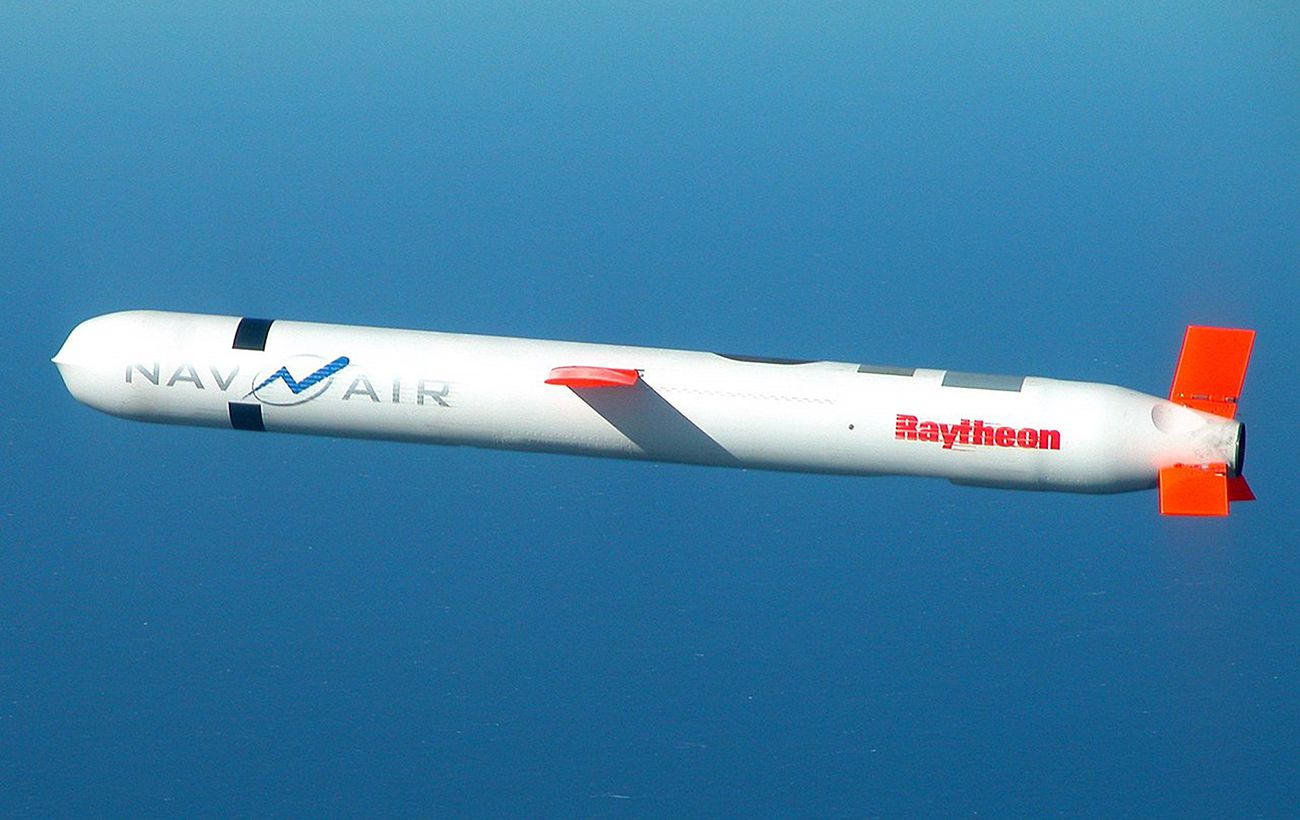
The Pentagon has decided to halt the sale of Tomahawk missiles to Germany, a move that could have significant implications for European security, which has been stable for nearly 80 years. This decision reflects a broader trend in U.S. military policy regarding its presence and commitments in Europe.
This action is not isolated; it follows a series of steps taken by the United States to recalibrate its military engagement in Europe. Earlier, Washington had:
- withdrawn 5,000 troops from Germany;
- paused the deployment of an American battalion equipped with Tomahawk missiles;
- reduced its planned contributions of bombers, fighters, destroyers, and submarines to NATO.
The Pentagon attributes these changes to a desire to restore balance between European and U.S. contributions to the continent’s defense.
The decision to block the missile sale raises concerns about a deeper issue: the U.S. is not merely reducing its military footprint in Europe but is also restricting its allies’ access to precision weaponry due to fears of provoking Russia. This indicates a potential shift in how the U.S. views its security relationship with Europe.
In 2019, the Trump administration withdrew from a key arms control treaty, citing violations by Russia. This prompted NATO countries to consider developing their own long-range missile capabilities. The Tomahawk missiles were intended as a temporary solution while European nations worked on their systems, leaving a gap in defense capabilities.
In recent weeks, the Trump administration had expressed dissatisfaction with NATO’s support for U.S. and Israeli military efforts against Iran. In response, European nations have begun increasing their defense spending and developing their long-range strike systems, some of which may have dual conventional and nuclear capabilities. These systems will be sovereign, meaning the U.S. will not have a say in their use.
This separation of security interests does not imply that Europe will be left defenseless. However, it suggests that the security of Europe and the U.S. will no longer be viewed as a unified entity.
Amid these developments, trust in the U.S. among European populations has sharply declined, with reports indicating that confidence levels have reached a critical low. Concurrently, discussions regarding military aid to Ukraine are ongoing, with the U.S. Senate committee recently approving a new assistance package.
The Pentagon's recent decision to block the sale of Tomahawk missiles to Germany underscores a significant shift in U.S. military policy in Europe. This move, along with previous reductions in troop presence and military contributions, raises concerns about the future of transatlantic security cooperation.