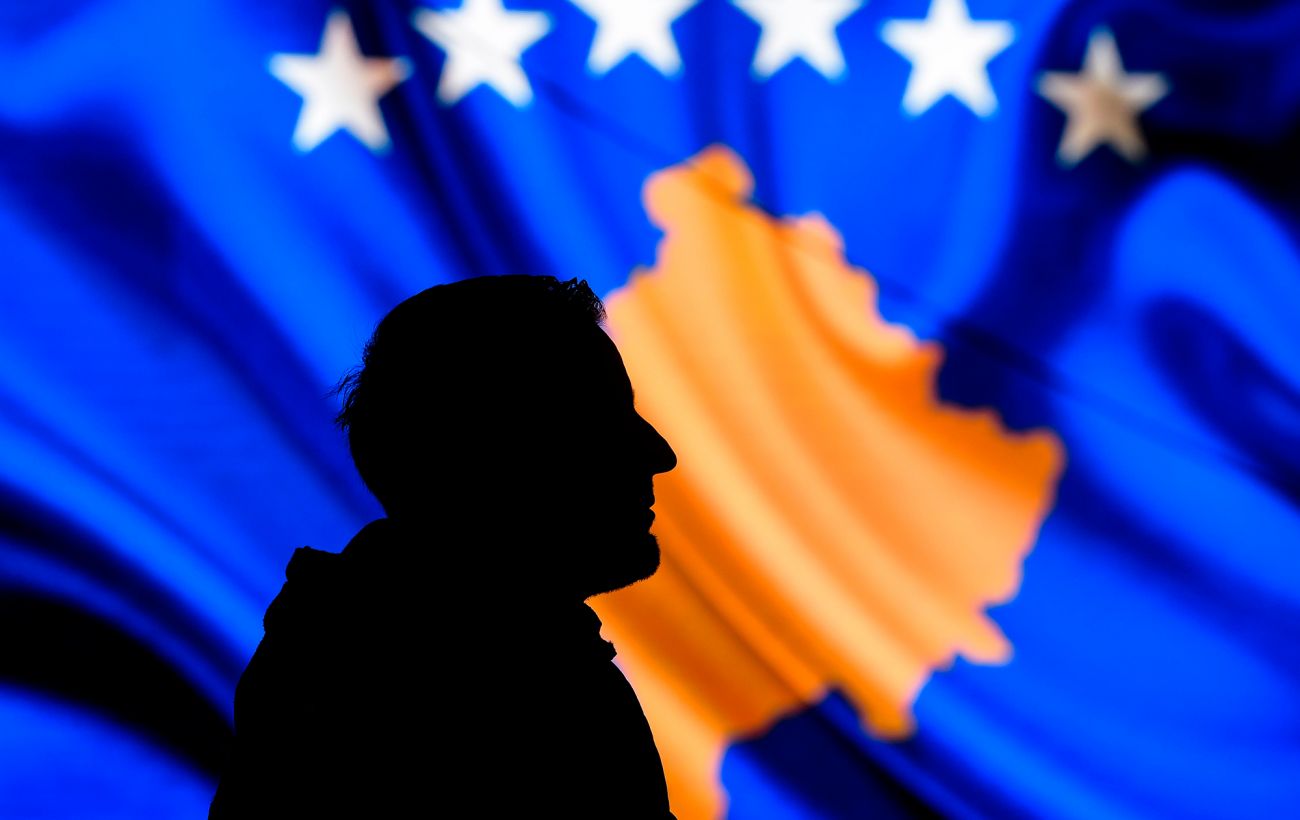
Kosovo is conducting its third parliamentary elections in just over a year, reflecting growing public dissatisfaction with the political landscape. The elections follow several months of institutional paralysis, exacerbated by a failure to elect a new president in April, which deepened the crisis following inconclusive elections in February 2025.
The ruling party, Vetëvendosje, led by Prime Minister Albin Kurti, won the previous elections but was unable to form a stable majority, resulting in a political deadlock and the need for new elections. In the latest round of voting, Kurti’s party has again secured the most seats in parliament and has formed a government with the support of representatives from national minorities. However, tensions between the government and opposition persist.
Opposition parties boycotted the presidential election vote, which ultimately led to the dissolution of parliament and the scheduling of these early elections. Ahead of the vote, some constituents expressed frustration over ongoing political instability and questioned whether the current elections would yield different results from previous ones.
Former Kosovo President Vjosa Osmani, now a parliamentary candidate from her former party, the Democratic League of Kosovo (LDK), has urged political factions to seek compromises post-election and to establish effective state institutions promptly. She stated, “I sincerely hope that the people of Kosovo will help us achieve this outcome by creating a democratic balance among the political parties here, compelling all parties to come to the negotiating table and ensure the swift establishment of institutions.”
Meanwhile, analysts caution that the current elections may not resolve the ongoing crisis. Political researcher Ardi Uka remarked that Kosovo appears to be trapped in a cycle of repeated elections, with little indication of a willingness to compromise among the main political forces.
Kosovo's third parliamentary elections in over a year are underway amid ongoing political turmoil. Despite a new government forming, analysts warn that the elections may not resolve the country's political deadlock.