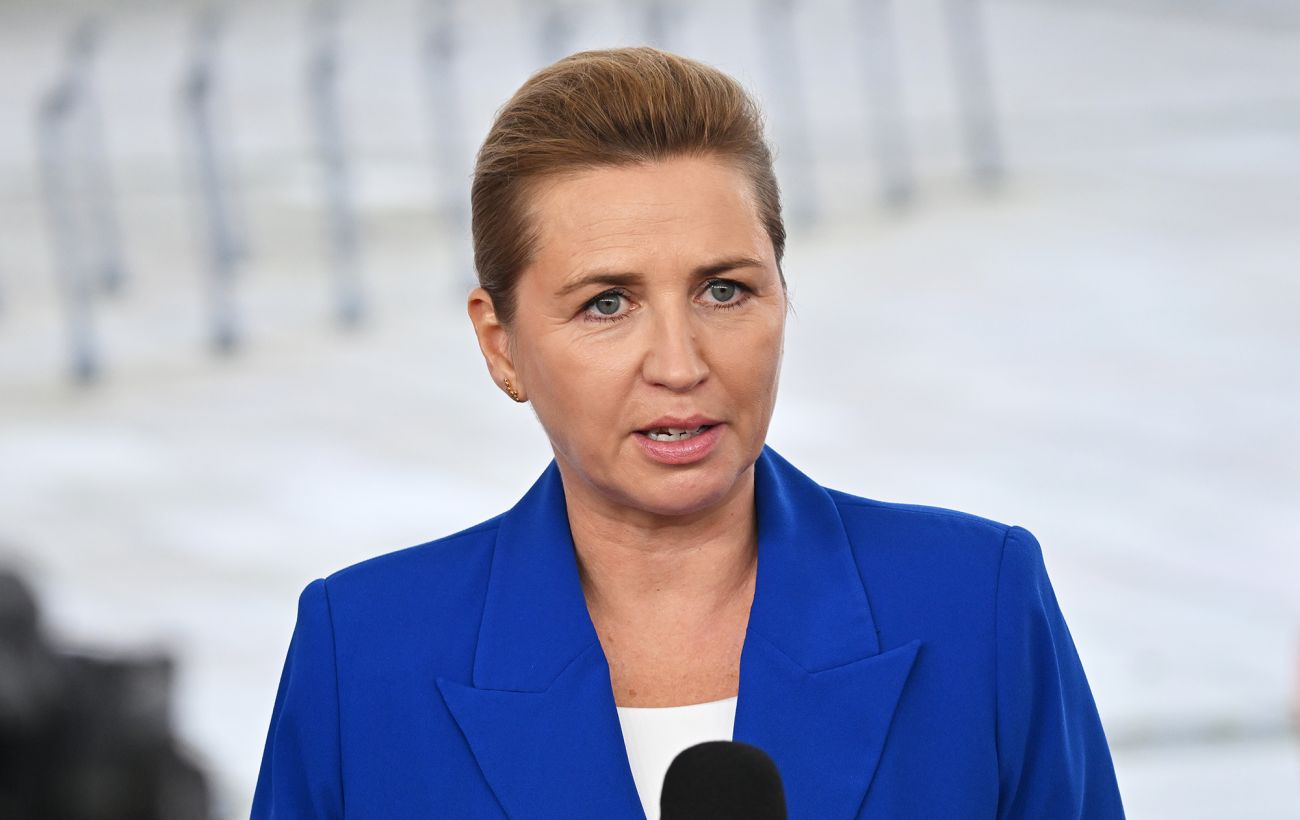
European leaders are increasingly wary of the possibility that Russia may escalate its military actions beyond Ukraine. Recent statements from Danish Prime Minister Mette Frederiksen highlight these concerns, suggesting that the Kremlin is actively laying the groundwork for broader conflict.
Frederiksen emphasized the unpredictability of where and how this escalation might occur, but she affirmed that the scenario is plausible. This perspective aligns with that of Poland, a nation with a long history of resisting Russian expansionism.
According to Frederiksen, the Kremlin is likely to employ hybrid tactics as it seeks to extend its aggression into European territories. She speculated about potential operations conducted under false flags or new forms of hybrid warfare, noting that Russian forces have consistently violated borders.
Despite these risks, Frederiksen pointed out that the primary deterrent keeping Russia from launching larger-scale operations against other countries is the significant losses its military has suffered in Ukraine. The Russian army is reportedly bogged down, with the ongoing conflict consuming a large portion of its military and human resources.
The Danish Prime Minister also remarked that Europe is now better prepared to face Russian threats than it was a few years ago. However, she stressed that the war initiated by Russia directly impacts the security of the entire continent.
“The conclusion is clear and has not changed since the beginning of this war: we must support Ukraine with all our might and at any cost,” Frederiksen concluded.
In recent months, officials within the European Union have increasingly warned about the serious risks of Russia expanding its war beyond Ukraine. EU foreign affairs chief Josep Borrell has indicated that Moscow retains its strategic objectives and may attempt to alter the security balance on the continent by intensifying pressure and rhetoric towards Baltic states.
Simultaneously, Russian military and political leadership is seeking to justify its actions on the international stage. The Center for Countering Disinformation has reported that Russia aims to draw Asia into a hybrid conflict against the West, with Foreign Minister Sergey Lavrov openly threatening European leaders and accusing the United States and its allies of posing threats to the Kremlin.
Internally, the Russian government is maneuvering amid deepening economic crises and public fatigue with ongoing military operations. Western media reports suggest that Russian authorities are searching for a “victory narrative” to present to their citizens, which could facilitate a favorable portrayal of any future peace agreement with Ukraine.
As tensions mount, European leaders express concerns about Russia's potential expansion of military aggression beyond Ukraine. Danish Prime Minister Mette Frederiksen highlights the Kremlin's use of hybrid tactics while acknowledging the significant losses that currently restrain Russia's military ambitions.