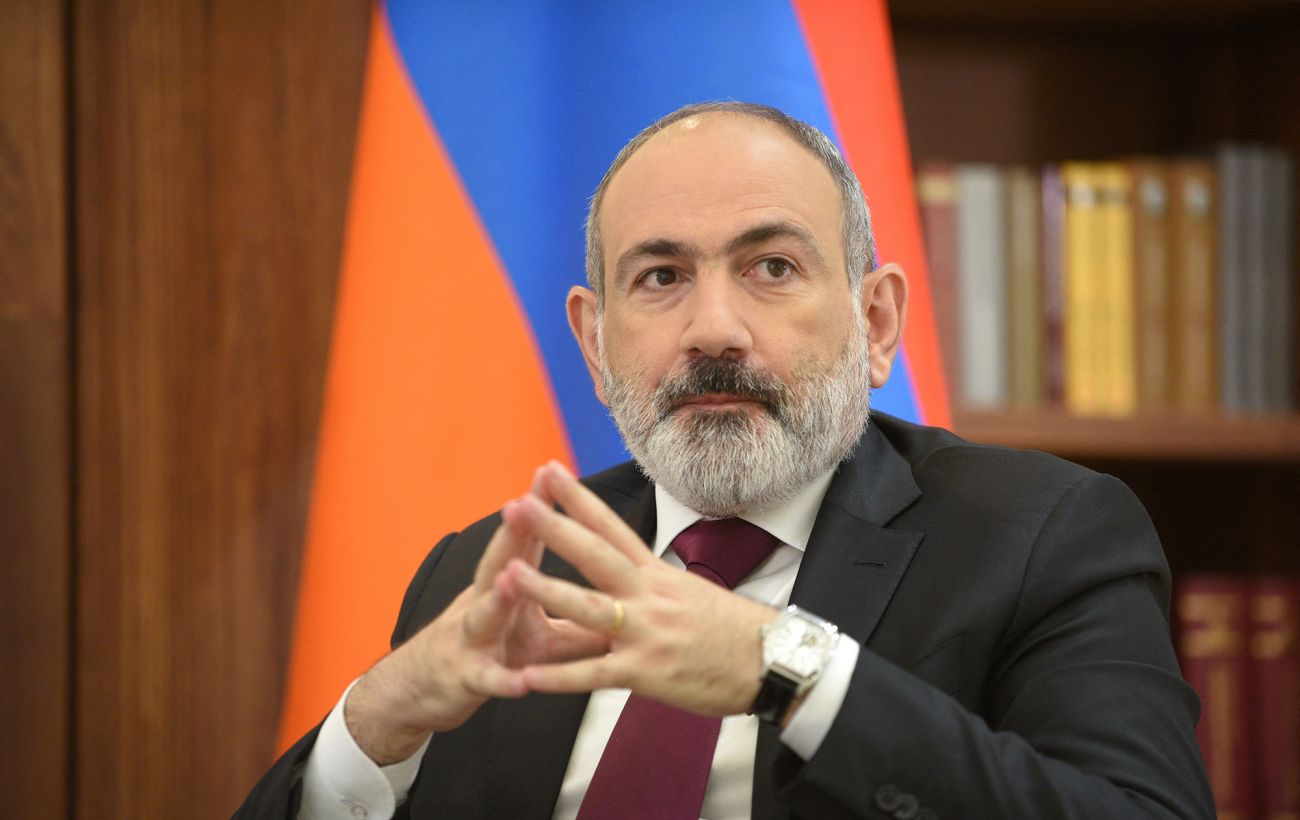
On Sunday, June 14, Armenia’s Central Electoral Commission announced the final results of the parliamentary elections held the previous week. The outcome revealed a significant shift in the political landscape, with only three parties securing seats in the new parliament.
The ruling party, the pro-European Civil Contract led by Prime Minister Nikol Pashinyan, garnered 49.75% of the votes, translating to 64 seats in the 101-member parliament. The two other parties that will join the assembly are the pro-Russian Strong Armenia, led by billionaire Samvel Karapetyan, which received 23.27% of the votes (29 seats), and the Armenia bloc, associated with former president Robert Kocharyan, which achieved 9.92% (12 seats).
Notably, the number of seats won by Pashinyan’s party enables it to form a government independently. This election was particularly intriguing due to the fate of the Prosperous Armenia Party (PAP), which faced a precarious situation. Although the party’s vote count increased by 147 after a recount, it ultimately lost 222 votes due to the invalidation of results from three precincts, preventing it from surpassing the 4% threshold necessary for parliamentary representation.
However, if the Central Electoral Commission opts for a rerun in those precincts, the PAP may secure enough additional votes to enter the new parliament.
In the lead-up to the elections, geopolitical tensions were palpable. A week prior, member states of the Eurasian Economic Union (EAEU) and the Collective Security Treaty Organization (CSTO) urged Armenia to clarify its geopolitical direction. Specifically, the leaders of Russia, Belarus, Kazakhstan, and Kyrgyzstan called for Armenia to expedite a referendum regarding its future alignment.
The recent parliamentary elections in Armenia resulted in a clear victory for Prime Minister Nikol Pashinyan's pro-European party, while the pro-Russian factions secured the remaining seats. The outcome raises questions about the future political direction of Armenia amid regional geopolitical pressures.