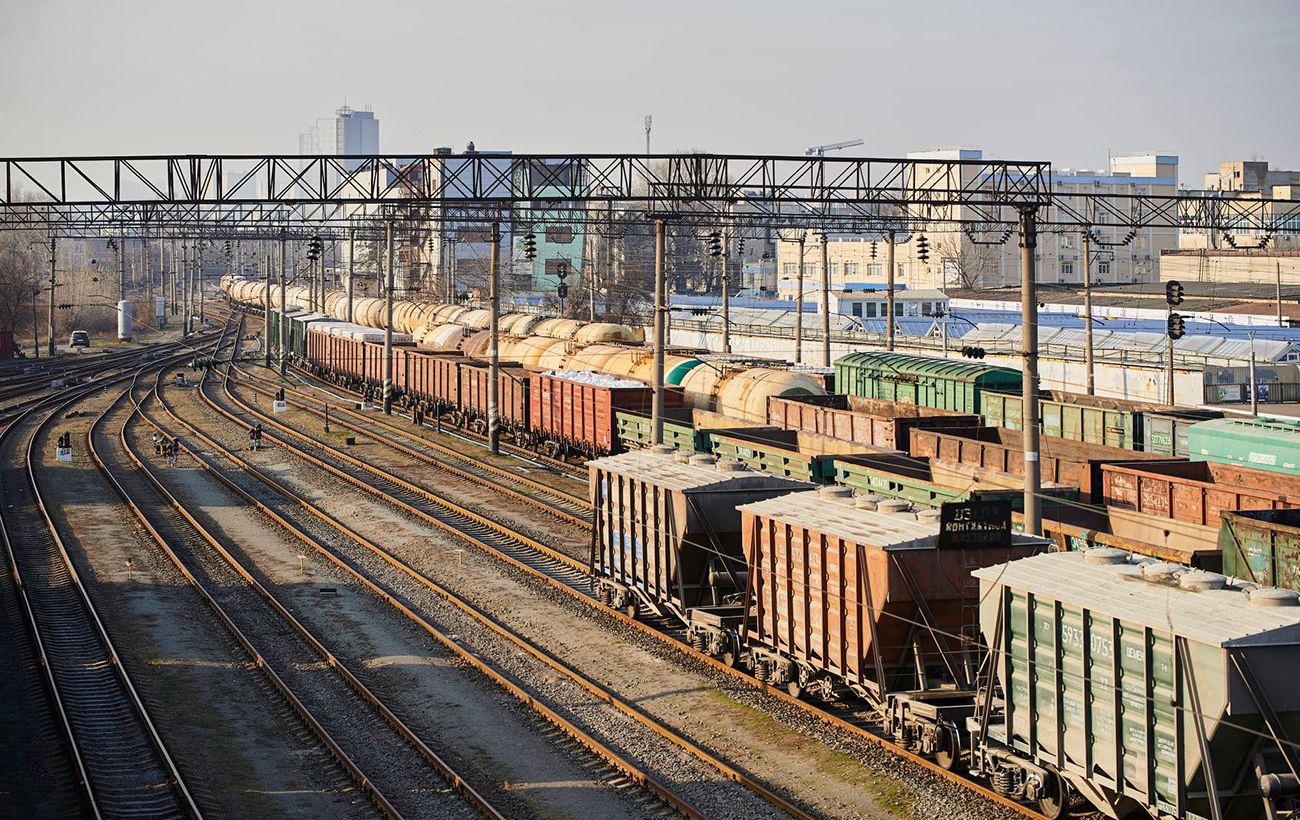
The Ukrainian government is moving forward with a plan to retire freight cars that do not meet age requirements, a decision that could lead to a significant reduction in available rolling stock. Experts warn that this could create a logistical crisis as the market may lose nearly 68,000 freight cars by 2031, exacerbating existing transportation challenges.
Concerns have been raised about the evaluation process for the condition of these freight cars, which critics argue favors the state-owned railway company, Ukrzaliznytsia, over private operators. “The assessment of the technical condition of the cars impacts the competitiveness of private operators. This regulation essentially benefits Ukrzaliznytsia by reducing the number of privately owned cars,” stated industry expert Sahaik.
The current situation has roots that predate the ongoing conflict in Ukraine, as local operators had begun purchasing used freight cars to address market shortages. This influx initially boosted transportation volumes. However, following the escalation of the war, the volume of freight transport has declined due to reduced foreign economic activity, while the number of freight cars has remained relatively stable.
As freight volumes decrease, competition for loads intensifies, prompting Ukrzaliznytsia to seek to diminish the presence of private rolling stock. Sahaik noted that the rapid rise in repair costs for freight cars has added pressure on private owners. Following reforms in the repair sector and the establishment of a dedicated wagon company, repair depots are now required to operate independently.
This shift has led to a significant increase in planned maintenance costs, which, according to Sahaik, can only be recouped after six months of operation. “For owners, this is economically unfeasible. Many are opting to place their cars in storage when repairs are due,” he explained.
The combination of limited access to investment and a general decline in freight transport is gradually reducing the private freight car fleet. As businesses operate with fewer cars, their earnings diminish, further impacting the competitiveness of the market. Sahaik emphasized, “When a business has fewer operational cars, it transports less and earns less. The business suffers, while Ukrzaliznytsia remains unprofitable.”
In light of these developments, the government’s plan to retire aging freight cars raises serious concerns about the future of logistics in Ukraine. Analysts predict that without sufficient investment—estimated at nearly $2 billion for fleet renewal—the country will face a severe shortage of rolling stock. This could lead to increased logistics costs and a decline in exports, ultimately affecting the economy and resulting in job losses.
Moreover, the Supreme Court has upheld the directive limiting the operational lifespan of freight cars, reaffirming the government’s stance despite warnings from the business community about the impending shortage and threats to logistics.
Ukraine's plan to retire aging freight cars could lead to a significant shortage in rolling stock, impacting logistics and the economy. Experts warn of serious consequences if the government does not address the financial challenges faced by private operators.