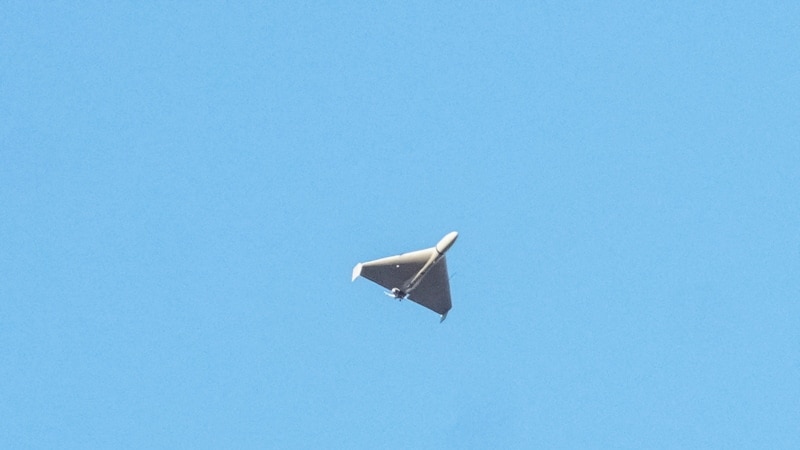
In the early hours of June 6, Ukrainian air defense forces reported a significant drone attack by Russian military forces, involving 272 strike drones. Preliminary assessments indicated that by 08:00, Ukrainian defenses had intercepted or neutralized 249 enemy drones, including models such as Shahed, Gerbera, and Italmas, across various regions of the country.
The Ukrainian military confirmed that 19 drones struck 11 locations, with debris falling in 13 areas. Authorities warned that the assault was ongoing, with several Russian drones still active in Ukrainian airspace.
Russian forces have consistently targeted Ukrainian cities and civilian infrastructure using a range of weapons, including strike drones, missiles, and artillery systems. Ukrainian authorities and international organizations classify these attacks as war crimes, emphasizing their deliberate nature.
Strikes on essential services and healthcare facilities aim to deprive civilians of electricity, heating, water supply, communication, and medical assistance, raising concerns about potential genocidal actions. Legal experts and human rights advocates argue that Russia’s military actions constitute various forms of crimes that could fall under the definition of genocide. This includes public declarations of intent to eliminate Ukrainians, as Russian officials have made statements asserting that Ukrainians do not exist as an ethnic group and must be eradicated.
Additionally, targeted attacks on vital infrastructure, persecution of pro-Ukrainian individuals in occupied territories, and the systematic destruction of Ukrainian cultural identity have been noted. This includes the deportation of children to Russia for the purpose of altering their identity and the removal of Ukrainian literature and artifacts from libraries and museums.
The Convention on the Prevention and Punishment of the Crime of Genocide, adopted by the United Nations General Assembly in 1948, obligates its 149 member states to prevent and punish acts of genocide during both wartime and peacetime. The Convention defines genocide as actions intended to destroy, in whole or in part, a national, ethnic, racial, or religious group.
Indicators of genocide include the killing of group members, causing serious bodily or mental harm, deliberately inflicting conditions calculated to bring about a group’s destruction, preventing births, and forcibly transferring children from one group to another.
Despite these allegations, Russian leadership continues to deny that its military conducts targeted strikes against civilian infrastructure, asserting that such claims are unfounded.
The recent drone attack on Ukraine highlights ongoing military aggression from Russia, with significant implications for civilian safety and international law. Ukrainian authorities classify these actions as war crimes, raising concerns about potential genocidal intent amid the conflict.