Russia appears to be recalibrating its military objectives in Ukraine, as initial goals remain unmet. This shift has led to new demands from Moscow, reflecting a changing narrative in the ongoing conflict.
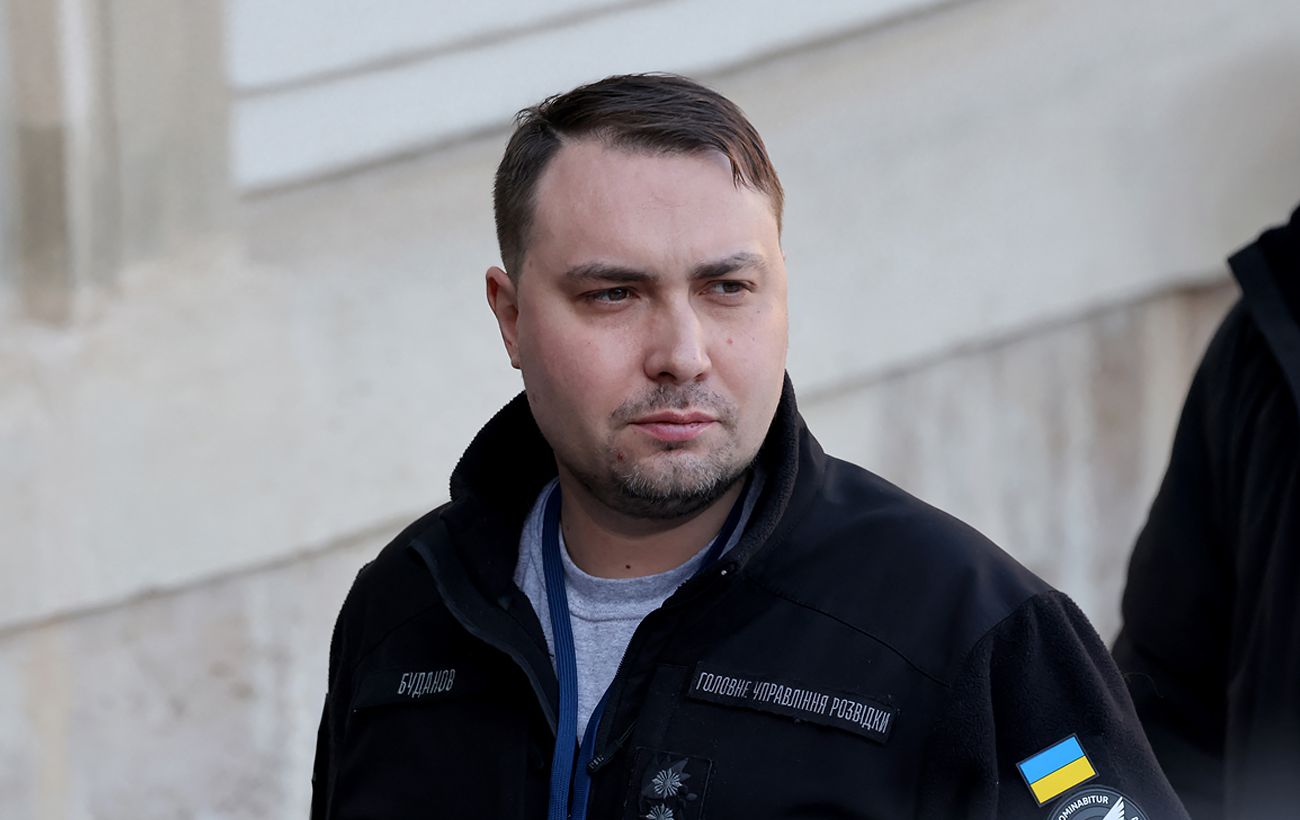
Kyrylo Budanov, head of Ukraine’s military intelligence, noted that the Russian army initially aimed to capture Kyiv within three days. This ambition has since evolved into a focus on securing the Donbas region at all costs.
Recently, a new demand has emerged from Russian officials, insisting that Ukraine must remain a non-nuclear state and refrain from joining any military alliances. Budanov remarked, “This is a new goal, indicating a further lowering of expectations. Time is passing, and it is clear that their objectives have not been achieved.”
Budanov suggested that Russian occupiers are gradually preparing their domestic audience for the possibility that Ukraine’s non-alignment could be framed as a form of victory. He stated, “They are beginning to assert that achieving Ukraine’s non-alignment is also a success. This transformation is quite normal given the circumstances.”
In a related development, the Financial Times recently reported that Russian military leadership has committed to capturing the Donbas region by autumn. They have informed President Vladimir Putin that the Ukrainian forces are becoming exhausted and that the front lines are deteriorating.
However, sources indicate that Putin’s ambitions extend beyond the Donbas. The Kremlin’s ultimate goal appears to be establishing control over Ukraine along the Dnipro River, including the capture of Kyiv and Odesa.
The Ukrainian presidential office has not ruled out the possibility that Putin may announce a general mobilization following the State Duma elections scheduled for this autumn.
Meanwhile, prominent Russian opposition figure Garry Kasparov commented that discussions regarding a potential replacement for Putin are increasing, attributed to the setbacks faced in the war against Ukraine.
Russia is adjusting its military objectives in Ukraine, shifting from initial goals to new demands, including Ukraine's non-nuclear status. This reflects a broader recalibration of expectations amid ongoing conflict and reports of Russian military challenges.