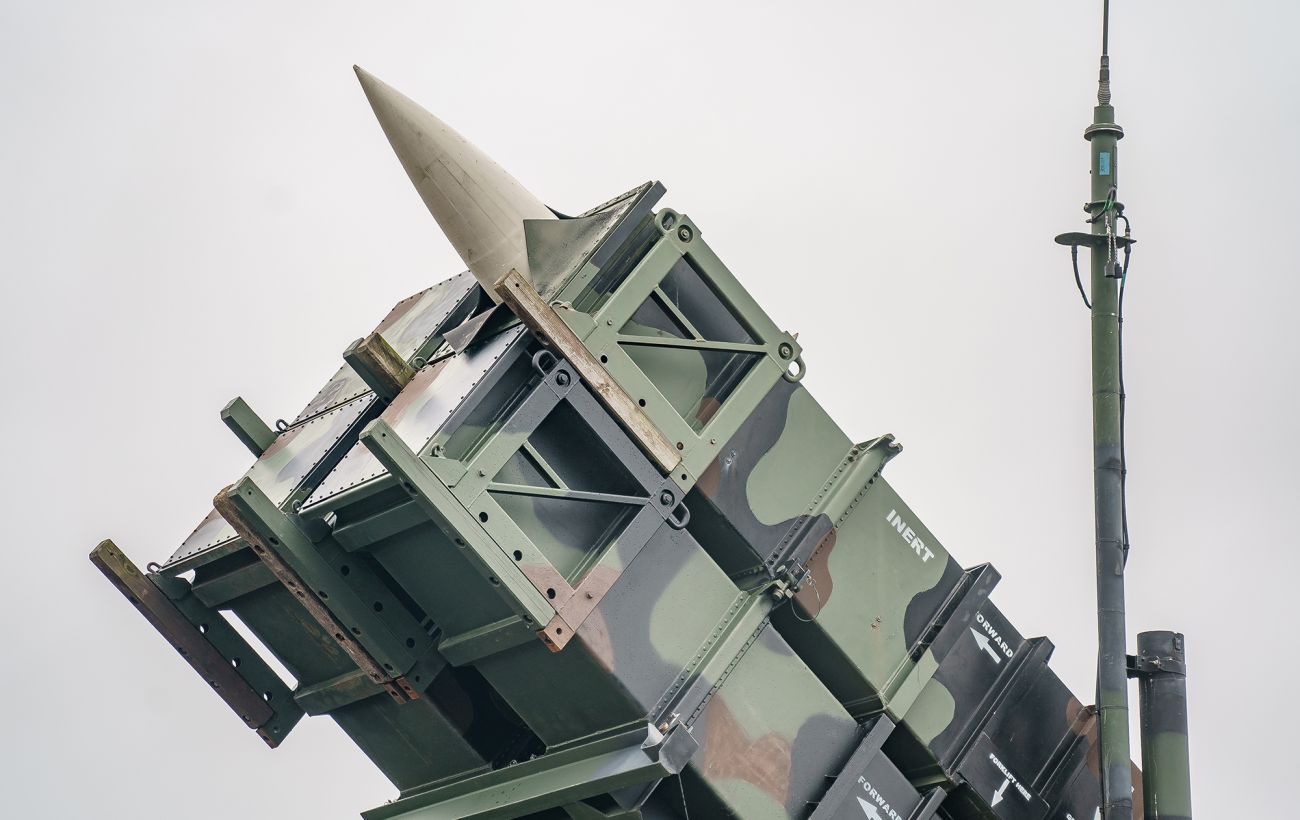
Lockheed Martin has informed its clients of significant supply issues regarding PAC-3 missiles, which are crucial for Ukraine’s defense against Russian missile attacks. The company has not provided specific timelines for delivery, raising concerns about the adequacy of current production capabilities.
According to Brian Dunn, Vice President of Lockheed Martin’s missile division, the company is working to enhance production capacity to meet the needs of various users more efficiently. However, the current situation reflects a broader issue in global defense preparedness.
Experts, including aviation analyst Kostiantyn Kryvolap, point out that the world was unprepared for the scale of conflicts currently unfolding. Historically, production levels of PAC-3 missiles have not kept pace with rising demand. In 2017, Lockheed Martin and Raytheon produced approximately 150 missiles annually, which increased to around 500 in 2022. Presently, production is expected to reach 650 missiles per year.
Kryvolap noted that many countries previously underestimated the necessity for large stockpiles of these missiles, believing that existing defenses would suffice. This miscalculation has left Ukraine in a precarious position, with a chronic shortage of interceptors as Russia has launched significantly more ballistic missiles than Ukraine has received PAC-3 units.
Countries in the Gulf region, particularly Saudi Arabia, have been among the largest purchasers of PAC-3 missiles, with Saudi Arabia reportedly holding around 750 units. In total, Lockheed Martin and Raytheon have manufactured between 4,000 and 4,500 PAC-3 missiles since production began.
Moreover, the United States has historically denied European nations, including Germany, the licenses to produce PAC-3 missiles, which has limited Europe’s capacity for independent ballistic missile defense. This strategy has been interpreted as an effort by the U.S. to maintain its dominance in the global defense market.
For Ukraine, the American Patriot systems represent the primary defense against Russian ballistic threats. However, the supply of these systems remains insufficient. Kryvolap highlighted that last year alone, Russia launched approximately 650 ballistic missiles, exceeding the number of PAC-3s delivered to Ukraine.
In response to these challenges, Ukrainian company Fire Point has announced successful flight tests of its FP-7.x missile, which is being developed as a more affordable alternative to the PAC-3. This missile is intended to be part of a pan-European air defense system known as Freya, which will also incorporate various components from European manufacturers.
Fire Point plans to begin serial production of the FP-7.x in August, with the missile expected to be operational by 2027. The FP-7.x is designed to engage targets at distances up to 200 kilometers, featuring advanced guidance systems developed in collaboration with German firm Diehl Defence.
Kryvolap believes that Europe has the capability to assemble an air defense system comparable to the Patriot, but the absence of effective ballistic missile systems has been a significant gap. The FP-7.x could potentially fill this void.
As Fire Point conducts additional flight tests in the coming months, the successful integration of the Freya system will depend on political consensus within Europe.
Lockheed Martin's inability to provide timely deliveries of PAC-3 missiles has raised concerns for Ukraine's defense amid ongoing Russian missile attacks. In response, Ukrainian company Fire Point is developing the FP-7.x missile as a potential alternative, with production set to begin this summer.