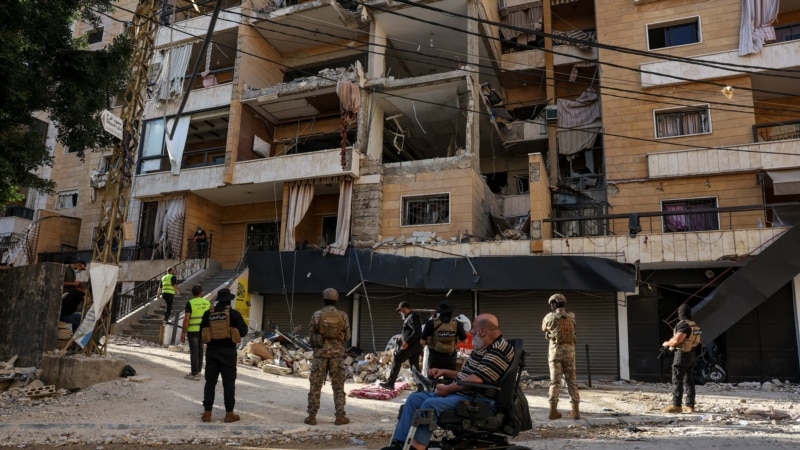
Iran has launched ballistic missiles targeting northern Israel in response to Israeli airstrikes on the southern Beirut suburb of Dahieh, a stronghold of Hezbollah, which the United States designates as a terrorist organization.
In light of the escalating tensions, Israeli authorities have implemented stricter restrictions for residents, and schools across the nation have been closed. Israeli officials have expressed intentions to respond decisively to the Iranian missile strikes, emphasizing that Tehran cannot retaliate against Israel’s actions against Hezbollah.
Israeli Prime Minister Benjamin Netanyahu is set to convene an urgent meeting with security officials to assess the situation and determine the next steps. Meanwhile, the Islamic Revolutionary Guard Corps has warned that the Israel Defense Forces must cease attacks in Lebanon, threatening more severe consequences should Israel expand its operations or respond to the current strikes.
The IRGC also reiterated that Tehran had previously cautioned about potential attacks on Israeli targets if strikes on Dahieh continued. In the wake of these developments, U.S. President Donald Trump has urged Iran to refrain from further escalation and return to negotiations, stating, “You’ve already launched your missiles, that’s enough,” and calling for Iranian leadership to engage in talks.
As of now, there has been no official statement from the Israeli government regarding a potential response to the Iranian attacks, leaving the situation tense amid fears of further conflict escalation in the region.
Earlier, on June 7, Israeli air forces targeted the Dahieh area, claiming the strikes were aimed at Hezbollah command centers. Following this, Israel and Lebanon, with U.S. mediation, reached a ceasefire agreement, which was announced on the U.S. State Department’s website. This agreement was the result of trilateral negotiations held on June 2-3.
The ceasefire is contingent upon the complete cessation of Hezbollah’s fire and the withdrawal of its fighters from the area south of the Litani River. Additionally, the parties agreed to establish pilot zones where the Lebanese Armed Forces would maintain control without the presence of non-state armed groups.
Negotiators emphasized that these steps are intended to pave the way for a comprehensive peace and security agreement between the two nations. Both Israel and Lebanon reaffirmed their lack of hostile intentions towards one another and committed to continuing direct talks to resolve outstanding issues and build trust.
Iran's missile strikes on northern Israel follow Israeli airstrikes on Hezbollah's stronghold in Beirut. The situation remains tense as both nations prepare for potential escalation.