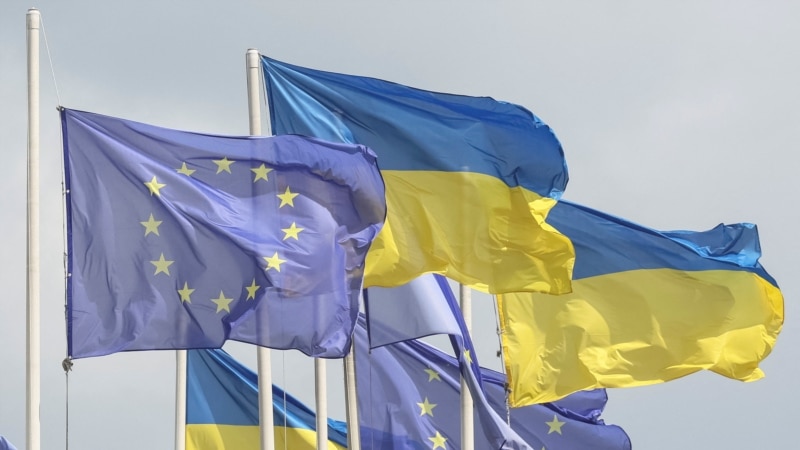
At a summit in Brussels on June 18, European Union leaders concluded discussions on Ukraine and agreed to extend sanctions against Russia for an additional 12 months due to its unprovoked aggression. This decision was confirmed by a spokesperson for European Council President Charles Michel.
Hungary and Slovakia had previously expressed opposition to extending the sanctions for a full year instead of the usual six months. However, reports indicated that EU leaders were likely to agree on the longer duration.
The EU continues to increase its sanctions pressure on Russia. Following the adoption of the 20th sanctions package since the onset of Russia’s full-scale invasion of Ukraine in February 2022, the European Commission presented a draft for the 21st package to member states on June 9.
A significant aspect of this new package includes proposals to add several high-ranking Russian officials to the sanctions list. Notably, this includes Patriarch Kirill of Moscow, a figure whose inclusion has faced opposition from Bulgaria. Other proposed individuals are Arkady Dvorkovich, the president of the International Chess Federation, and historian Vladimir Medinsky, who was part of the Russian negotiation team in earlier discussions with Ukrainian officials this year.
While the previous Hungarian government had blocked sanctions against these individuals, sources within the EU indicate that the new administration in Budapest is now supportive of such measures.
European Union leaders have agreed to extend sanctions against Russia for another year, marking a significant step in the ongoing response to the country's actions in Ukraine. The latest sanctions package includes proposals to target high-ranking Russian officials, reflecting a shift in Hungary's stance under its new government.