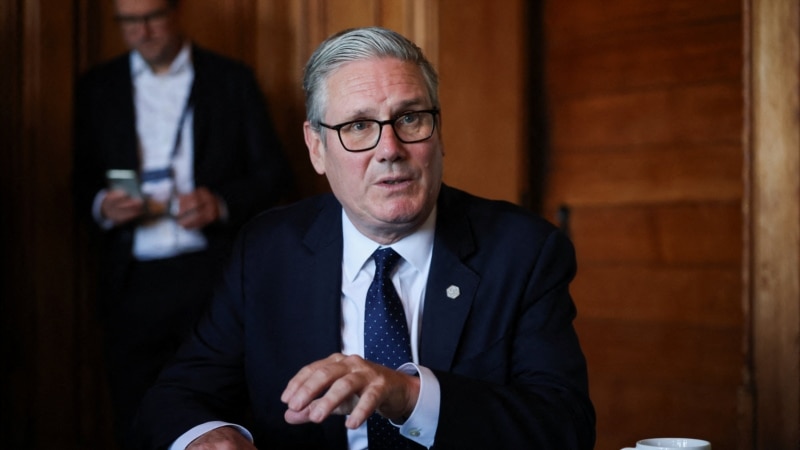
On June 22, UK Prime Minister Keir Starmer announced his intention to resign from both his role as head of government and leader of the Labour Party. The announcement regarding his successor is expected in September.
Prior to his resignation announcement, Starmer characterized the Labour Party as having been in a state of “political, financial, and moral bankruptcy.” He stated that he had worked to transform the party by addressing issues such as anti-Semitism and restoring public trust in economic, defense, and national security matters.
Starmer committed to facilitating an orderly transition of power and pledged his full support to his successor. He expressed gratitude to friends, colleagues, and staff who have supported him during his six-year tenure, including those at 10 Downing Street and the civil service.
According to reports from the Observer, just a day before the resignation announcement, Starmer faced increasing pressure from within the Labour Party leadership, including members of his own cabinet. There is a growing faction of Members of Parliament backing Manchester Mayor Andy Burnham for the leadership position.
Despite the resignation announcement, it is anticipated that Starmer will remain in office for several weeks while the process for selecting his successor unfolds. It remains uncertain whether the party will hold a contested election for the new leader or if Burnham will receive enough support to be declared Starmer’s successor immediately.
Keir Starmer has declared his intention to resign as UK Prime Minister and Labour Party leader, citing internal pressures and a need for party renewal. The process for selecting his successor will take place over the coming weeks.