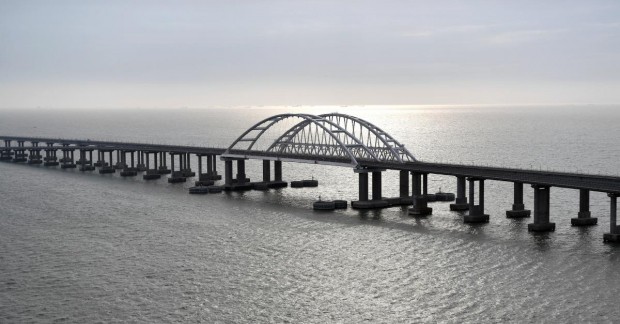
The arbitration tribunal in The Hague has ruled against Ukraine in its case concerning the Kerch Strait, rejecting the majority of its claims against Russia. While the tribunal acknowledged some violations of maritime law by Russia during the construction of the Kerch Bridge, it did not support Ukraine’s assertions of illegal control over the strait.
Ukraine initiated the legal proceedings in 2016 after Russia began constructing the 19-kilometer bridge connecting the annexed Crimean Peninsula with mainland Russia. The tribunal, composed of five judges, dismissed most of Ukraine’s complaints regarding Russia’s alleged unlawful seizure and maintenance of control over the strait, citing procedural grounds.
In a notable aspect of the ruling, the tribunal did not award any damages and mandated that both parties bear their own legal costs for the decade-long process.
Current Situation in Crimea
Recent reports indicate that Ukraine has effectively disrupted Russia’s last overland route to Crimea, described as a “road of death.” Currently, Russia has two primary access points to the peninsula: the Kerch Bridge, which is severely damaged and vulnerable to further attacks, and the R-280 road, now under constant bombardment.
According to the Financial Times, Ukrainian drones have been targeting critical supply lines to Crimea, exacerbating logistical challenges for Russian forces. Residents on the peninsula are facing long waits at gas stations, with supplies often running out before they can fill their tanks.
Related News:
- Bridge in Chongar Destroyed: Expert Explains Implications for Russian Army
- “Worst Crisis Since Occupation”: AP Reports on Current Conditions in Crimea
- Ukraine Takes Control of Key Routes to Crimea: Expert Discusses Consequences for Russia
The Hague tribunal has dismissed Ukraine's major claims against Russia regarding the Kerch Strait, while acknowledging some maritime law violations by Russia. As tensions escalate, Ukraine continues to disrupt Russian supply routes to Crimea, leading to significant logistical challenges.
Source: Reuters