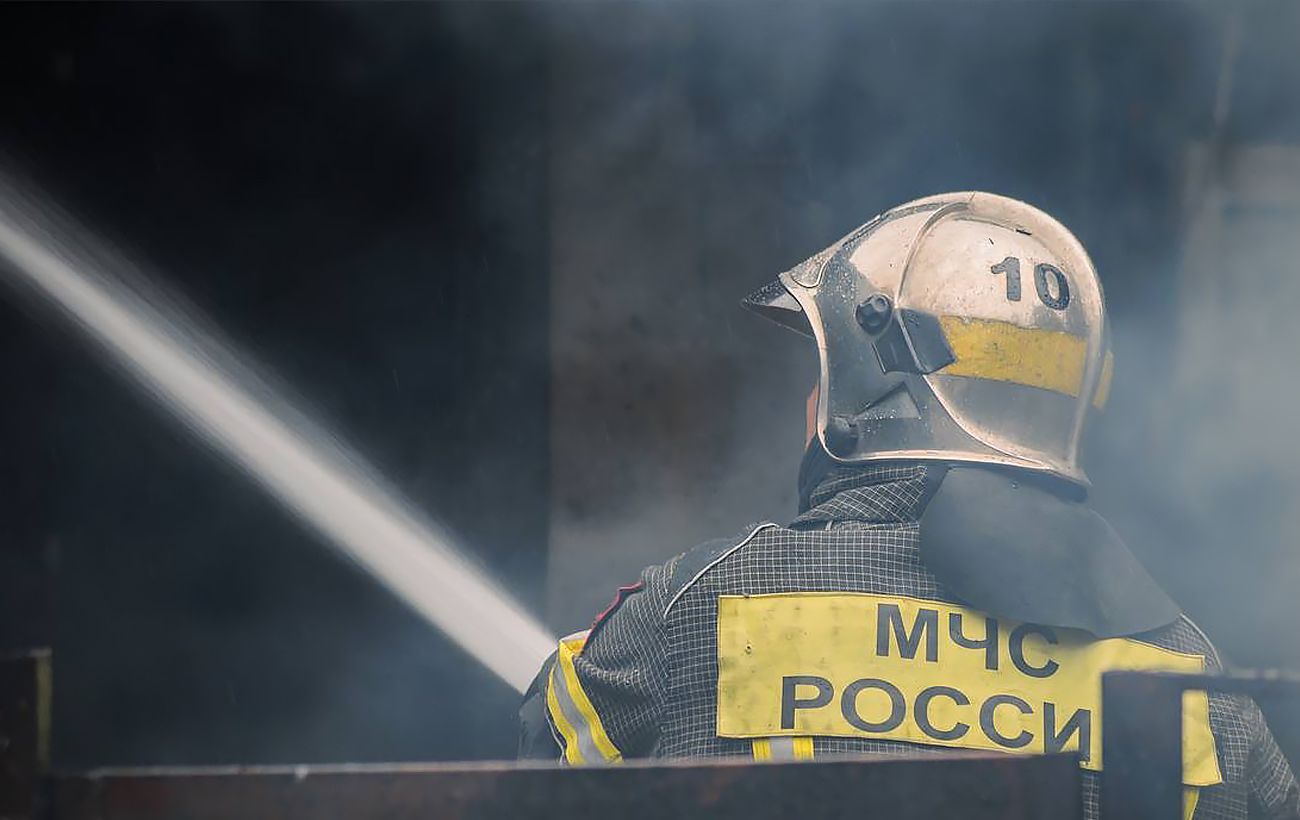
In a significant escalation of the ongoing conflict, Ukrainian drones targeted the Moscow oil refinery overnight, resulting in a fire at the facility. This attack, confirmed by the General Staff of the Armed Forces of Ukraine, highlights the strategic importance of the refinery in supporting Russian military operations.
According to preliminary reports, the primary oil processing unit, ELOU AVT-6, sustained damage during the strike. The General Staff emphasized that the Moscow refinery plays a crucial role in supplying fuel to the Russian military, accounting for over 38% of the region’s fuel consumption. Its products are essential for major airports, including Domodedovo, Vnukovo, Sheremetyevo, and Zhukovsky.
The Moscow refinery has a processing capacity exceeding 12 million tons of oil annually, making it a vital asset for Russian logistics.
In addition to the refinery strike, Ukrainian forces reportedly targeted several other military installations. Command and observation posts in the regions of Bakhmut, Velyka Novosilka, and Siversk in Donetsk Oblast were hit. Drones also struck a field artillery depot near Kremnivka, as well as supply depots in Donetsk and a drone storage facility in Mariupol.
Furthermore, Ukrainian defense forces targeted concentrations of enemy personnel in the Ivanivske area of Bryansk Oblast, Russia. The General Staff confirmed a successful strike on a military-industrial enterprise, the Central Design Bureau of Instrument Engineering, located near Tula. This facility specializes in the development and production of radar systems and radio navigation equipment, and the attack resulted in damage to its assembly building and supporting structures.
The General Staff also noted that a fire continues to burn at the federal state-owned institution “Temp Combine” in Rybinsk, Yaroslavl Oblast, which was struck on June 14.
Ukrainian President Volodymyr Zelensky emphasized the significance of the attack, stating that the Moscow region experienced the impact of Ukrainian long-range strike capabilities. He remarked that the refinery was hit from a distance of 500 kilometers, underscoring the effectiveness of Ukraine’s military strategy.
Zelensky reiterated the necessity of pressuring Russia to cease its aggression against Ukraine. He described the use of long-range weaponry as a crucial component of this strategy, framing it as a justified response to Russian strikes and the prolonged nature of the conflict.
Commander Robert “Madyar” Brovdi stated that the operation against the Moscow refinery was conducted by operators from the 1st Operational Command of the Special Operations Forces, in collaboration with the Security Service of Ukraine (SBU), the Main Intelligence Directorate (HUR), and other defense units.
In a statement reflecting on the broader implications of the conflict, Brovdi asserted, “The Lavra will stand for centuries! Moscow will fall! The economy will pay for the absolute moral superiority of Ukraine over the barbarians. Flames of fuel instead of flames of anger—pragmatic retribution, without emotions or unnecessary words.”
Ukrainian drones struck the Moscow oil refinery, causing significant damage and highlighting its role in supporting Russian military logistics. This attack is part of a broader strategy by Ukraine to apply pressure on Russia amid the ongoing conflict.