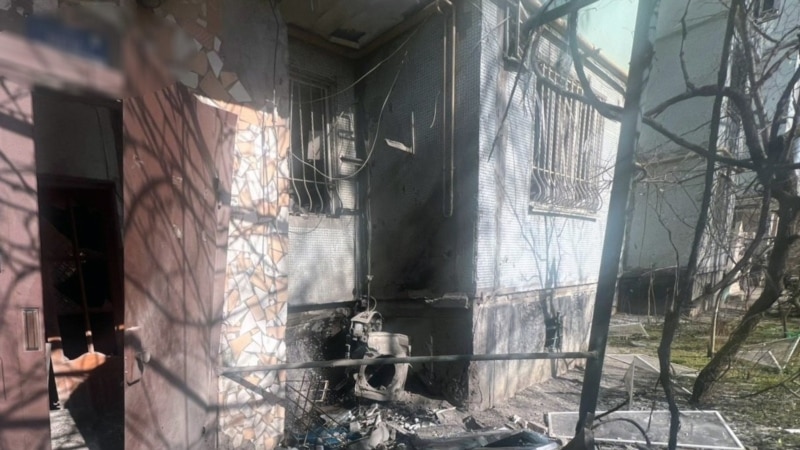
On the morning of October 10, Russian forces launched attacks on critical infrastructure in Kherson, leading to widespread power outages in the Dniprovskyi district of the city. This information was confirmed by Oleksandr Prokudin, the head of the regional military administration.
According to local officials, the strikes involved various types of weaponry, including drones, missiles, and multiple rocket launch systems. Such attacks on urban areas and civilian infrastructure have become a recurring theme throughout the ongoing conflict in Ukraine.
Ukrainian authorities, along with international organizations, have classified these military actions as war crimes, emphasizing their targeted nature. The deliberate targeting of essential services, such as electricity, heating, water supply, and medical facilities, is viewed as an attempt to undermine the living conditions of civilians.
These strikes have raised serious concerns regarding humanitarian impacts, as they threaten the basic needs of the population. The Ukrainian government has characterized these actions as indicative of genocidal intent, aimed at depriving people of fundamental resources necessary for survival.
In contrast, Russian leadership has consistently denied that its military operations are intentionally aimed at civilian infrastructure. They assert that their actions are focused on military targets, dismissing allegations of civilian casualties and destruction of essential services.
The ongoing conflict has led to significant humanitarian challenges, with civilians bearing the brunt of military strategies that prioritize disruption of daily life. As the situation evolves, the international community continues to monitor the implications of these attacks on both the humanitarian front and broader geopolitical dynamics.
Recent Russian strikes in Kherson have targeted critical infrastructure, resulting in power outages and raising concerns about war crimes. Ukrainian officials assert these attacks aim to undermine civilian life, while Russia denies targeting non-military sites.