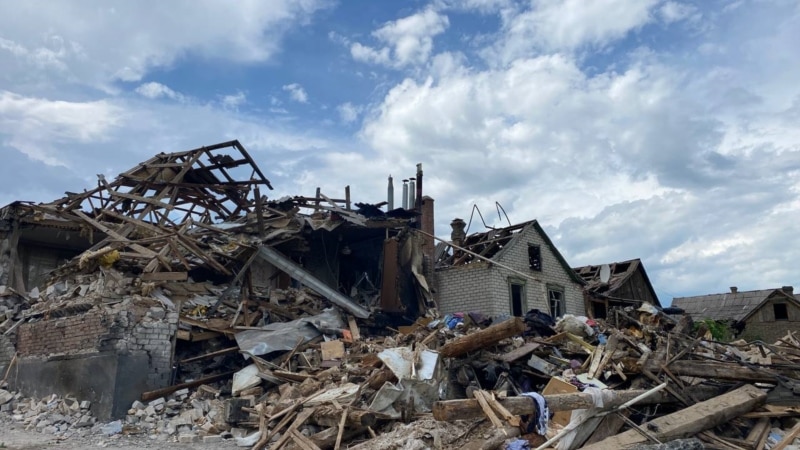
On the evening of May 25, Kramatorsk experienced another wave of Russian airstrikes, resulting in injuries to civilians, according to local military administration head Oleksandr Honcharenko. This incident marks the third significant bombardment of the city within a single day.
At approximately 5:52 PM, Russian forces deployed two FAB-250 bombs targeting the city center. Preliminary reports indicate that four individuals were injured, including three women and one man.
Earlier that day, local authorities reported a massive aerial assault on Kramatorsk, during which five FAB-250 bombs were dropped, impacting residential areas and critical civilian infrastructure.
Russian military operations have increasingly involved various types of weaponry, including drones, missiles, and multiple rocket launch systems, targeting urban centers and civilian facilities across Ukraine.
Ukrainian officials and international organizations have classified these attacks as war crimes, asserting that they are deliberate in nature. The strikes on essential services and healthcare facilities are viewed as attempts to deprive the population of electricity, heat, water, communication, medical assistance, and other fundamental necessities.
Legal experts and human rights advocates argue that the ongoing actions by Russia during the conflict could be classified as genocidal. They cite multiple factors, including public declarations by Russian leadership that deny the existence of Ukrainians as an ethnic group and calls for their destruction.
Specific indicators of genocide include targeted attacks on vital infrastructure, persecution of pro-Ukrainian individuals in occupied territories, and efforts to eradicate Ukrainian culture through the targeting of educators and cultural figures.
The 1948 United Nations Convention on the Prevention and Punishment of the Crime of Genocide obligates signatory nations to prevent and punish acts of genocide during both wartime and peacetime. The Convention defines genocide as actions intended to destroy, in whole or in part, a national, ethnic, racial, or religious group.
Signs of genocide include the killing of group members, causing serious bodily or mental harm, deliberately inflicting conditions calculated to destroy a group, preventing births, and forcibly transferring children from one group to another.
Russian authorities have consistently denied that their military is intentionally targeting civilian infrastructure, despite evidence of widespread destruction of hospitals, schools, and essential services throughout Ukraine.
Kramatorsk has faced renewed airstrikes from Russian forces, resulting in civilian injuries and significant damage to infrastructure. Local authorities and international observers continue to classify these actions as war crimes, raising concerns about the potential for genocide amidst the ongoing conflict.