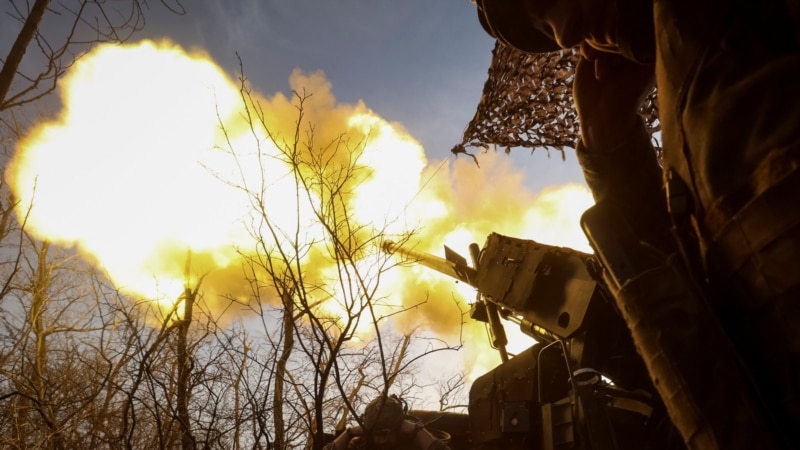
On May 23, the General Staff of the Armed Forces of Ukraine reported that there were 216 combat encounters over the previous day, with the majority of Russian assaults concentrated in the Pokrovsk and Huliaipole directions.
In the Pokrovsk area, Ukrainian defenders successfully repelled 42 assault attempts by Russian forces near several settlements, including Vylne, Bilitske, Rodynske, Oleksandrivka, Shevchenko, Pokrovsk, Hryshyne, Toretske, Dorožne, Novooleksandrivka, Udachne, Kucheriiv Yar, Novopavlivka, and Novopidhirodne. Meanwhile, in the Huliaipole region, 32 attacks were recorded in the vicinity of Novo Zaporizhzhia, Zlahoda, Solodke, Staroukrainka, Dobropillia, Hirke, Zaliznychne, Vozdvizhivka, Olenokostiantynivka, and Charivne.
Fighting also continued in the Northern Slobozhanskyi, Kursk, Southern Slobozhanskyi, Kupiansk, Lyman, Sloviansk, Kramatorsk, Kostiantynivka, Oleksandrivka, and Dnipro directions, according to military command.
In a report released the previous day, the American Institute for the Study of War (ISW) indicated that Ukrainian forces are regaining tactical initiative across various sections of the front line.
Defense Minister Mykhailo Fedorov stated during a press meeting that Ukraine has significantly slowed the advance of Russian troops and is gradually regaining control on the battlefield. This progress is attributed to the efforts of Ukrainian military personnel and various factors, including the disabling of Starlink for the aggressor and an increase in medium-range drone strikes.
Additionally, on May 19, General Oleksandr Syrskyi, the Commander-in-Chief of the Armed Forces of Ukraine, acknowledged the potential for Russian offensive operations from Belarus.
Ukrainian forces reported a significant number of combat clashes with Russian troops, particularly in the Pokrovsk and Huliaipole regions. Recent assessments indicate a shift in tactical initiative towards Ukraine, aided by strategic military adjustments and technological advantages.